


Artificial Intelligence
AI is the technology of the future. From supporting art restoration to overcoming the limitations of traditional agriculture and counting wild elephants, find out how AI is transforming the world for the better.

Listening AI could diagnose Alzheimer’s early
Diagnosing Alzheimer’s disease can be a tricky and lengthy process, with multiple in-person neuropsychological exams followed by even more tests. Diagnosis could very well cost a patient valuable treatment time, so speed is of the utmost importance. Researchers from Boston University have Read More...

AI could identify chickens in distress and improve conditions
We’ve already written before about AI’s potential to improve pigs’ lives by listening to them. Now, scientists have found they can use AI on another barnyard favorite: chickens. Artificial intelligence can help the happiness and well-being of chickens by listening to them and determining Read More...

Babies may be the key for the next generation of AI
Artificial intelligence (AI) is extremely valuable for basically all parts of society, allowing more efficient, accurate, and speedy decisions. For example, this AI algorithm that assesses and prioritizes patients to either the ICU or a general hospital bed, or this AI-powered robot that can sort Read More...

Google’s new tool lets us witness the planet changing in near real-time
Planet Earth is changing, transforming, and shifting faster than we can keep track of these days. Human development continues to spread, The Alps are turning from white to green, massive solar farms are being erected, and droughts are shrinking lakes and drying out rivers. All of these major Read More...

This LEGO-like computer chip has so many applications!
A team of researchers from MIT has recently designed a LEGO-like computer chip. Designing the technology in this stackable manner allows for the creation of reconfigurable AI equipment with a huge range of uses. “You can add as many computing layers and sensors as you want, such as for light, Read More...

"Ugly" reef fish need our help
Pretty privilege is not just a bias humans hold within our own species. According to a machine-learning study from the University of Montpellier, reef fish that people perceive as more beautiful are a higher priority for conservation support. In the study, 13,000 members of the public were asked Read More...

Why we should speak kindly to animals
More and more people are realizing that animals are sentient beings with complex emotional capabilities. Laws in Spain have recently changed to recognize them as such and many studies have also confirmed this, like this experiment which was able to decode pigs’ emotions. An international Read More...
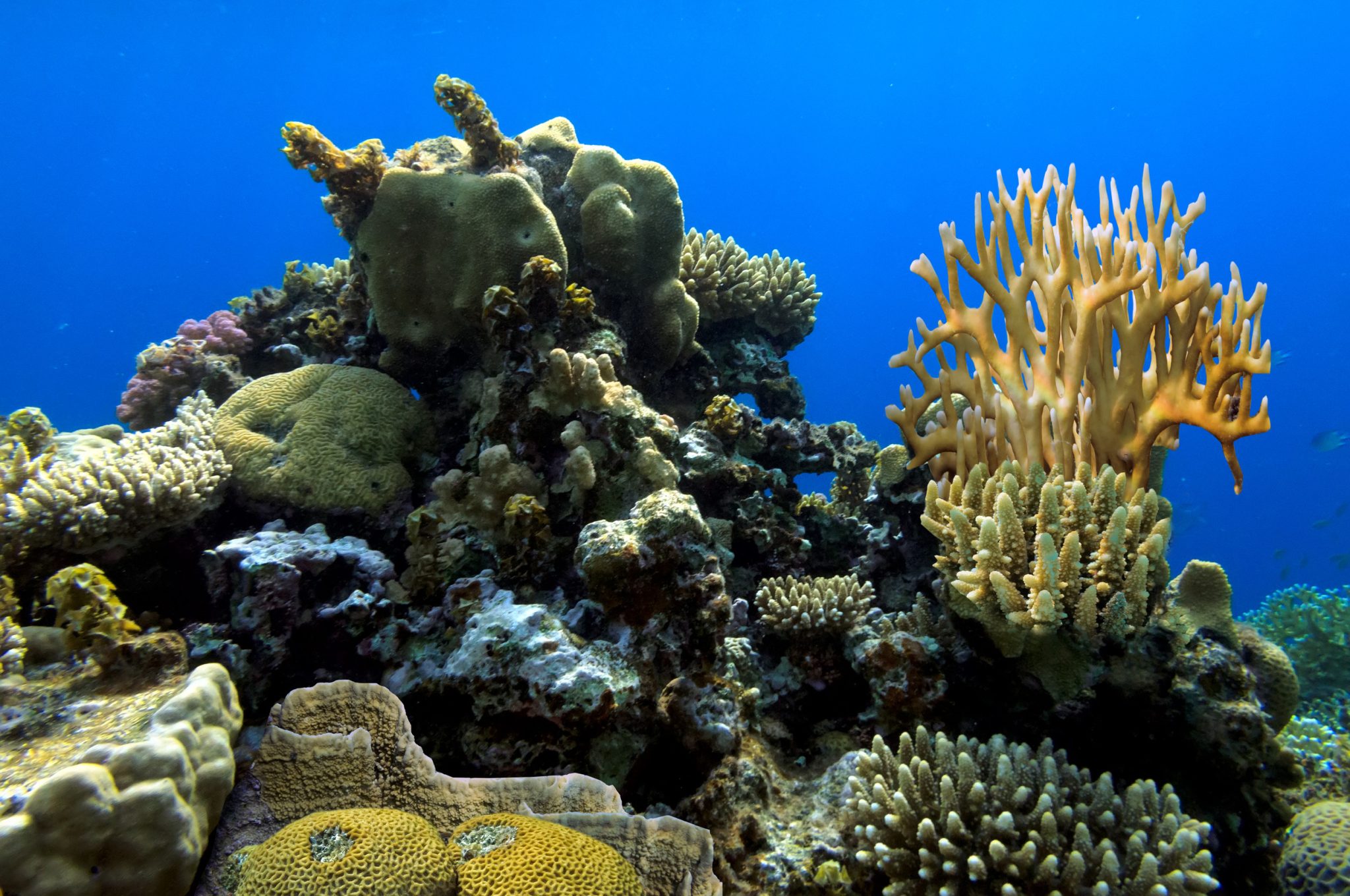
AI exposes coral reefs “singing”
Coral reefs are essential to ocean ecosystems, providing food and homes to all sorts of organisms. Learning as much as possible about these living creatures is important to protect all the life in the vast seas. A team from the University of Exeter is doing just that, creating an algorithm to Read More...

This AI could be a gamechanger for patients with lung problems
While we are largely out of the worst parts of the Pandemic, some of the lasting effects of COVID-19 can still be felt, especially in the lungs of those who endured the virus. Studies have found that lasting harm can be left from having the disease and scientists have had a hard time visualizing Read More...

MIT system uses machine-learning to reduce traffic and car emissions
As if idling in a line of cars at a red light forever wasn’t bothersome enough, vehicles emit greenhouse gasses while they’re stopped in traffic. Not only that, exposure to excess vehicle emissions while idling in traffic can be a major health risk. What if drivers could time their trips Read More...