


Birds, Bees, & Bugs
The week of June 23, 2019 - We explore the solutions helping our environment's most productive and important little creatures.

This Dutch pollinator strategy protects bees across the country
Last week, the Netherlands held a bee-counting event in which more than 11,000 volunteers from across the country participated. The volunteers spent 30 minutes recording the various types of bees visiting their gardens with the help of a list of the most common bees present in the country during Read More...

Support pollinators this spring with flower 'billboards'
We at The Optimist Daily are always looking for ways to help our pollinator friends. If you are looking to plant a pollinator-friendly garden this spring, then a new study led by Jaret Daniels and Elizabeth Braatz can help! Their research indicates that insects are attracted to landscapes where Read More...

Sponsor-A-Hive program protects bees and promotes food security
Habitat loss and pesticide use are driving factors behind the decline of global bee populations. Creating habitats for bees is a great way to protect bees and boost food security, so The Bee Conservancy is giving out hundreds of free bee homes to groups across the US and Canada in hopes of Read More...
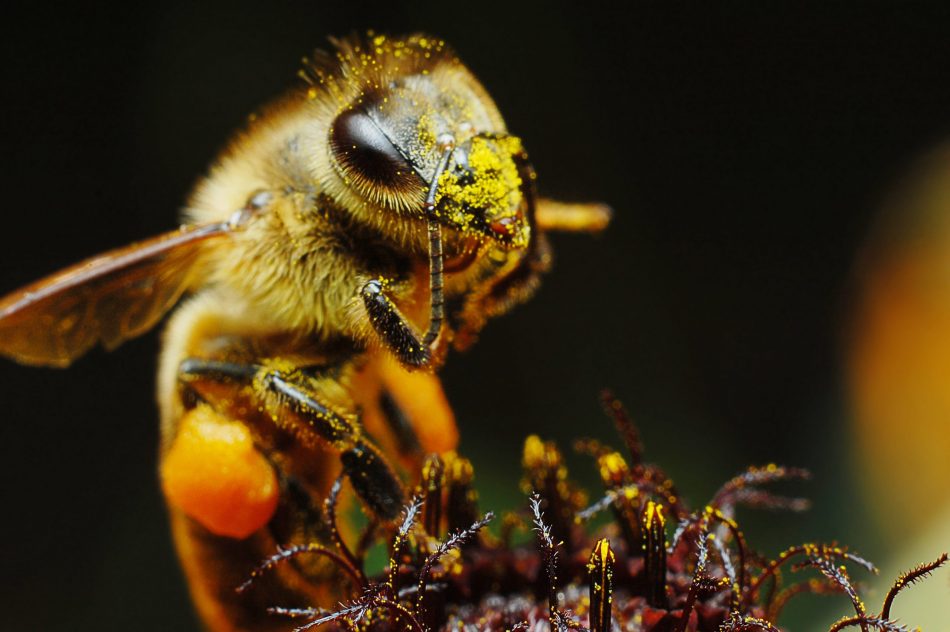
Sigh of relief: UK will not use bee-harming pesticide after all
Earlier this year, the British government reversed a ban on a bee-harming pesticide called neonicotinoid in order to kill off virus-transmitted aphids that threatened the UK’s sugar beet fields. Environmentalists were obviously not pleased with the reversal of the ban as the government had broken Read More...

Find everything you need to support pollinators in your yard right here
We all want to support pollinators, but the best way to do this varies based on where you live. If you live in the US, Xerces Society is a great resource for finding the most impactful pollinator protection tools at your disposal. The organization's Pollinator Conservation Resource Center is Read More...

The Optimist View: The surge and success of citizen science
“Science and everyday life cannot and should not be separated.” – Rosalind Franklin By Amelia Buckley Several years ago, every member of my family unwrapped a bulky rain gauge on Christmas morning. A gift from my data-loving grandfather, the rain gauges were so that we could all take Read More...
Researchers create the first global map of bee species
There are over 20,000 species of bees around the globe, but information on the location and population health of different species is sparse. In an effort to bolster bee conservation, biologists have created the first modern map of all the bee species around the world. Michael Orr, the study's Read More...
Europe’s top court upholds French ban on bee-harming pesticides
In 2018, the French government placed a ban on the use of certain pesticides that harm bees. These pesticides belong to the neonicotinoid group's family of chemicals and are based on the chemical structure of nicotine. They were introduced in the mid-1990s and work by attacking the central nervous Read More...
Bee populations are on the rise in these US states
Maine has some of the healthiest bee colonies in the US. Believe it or not, bee populations in the state have actually increased 72 percent since 2018. While bees are still a threatened species, this research by the United States Department of Agriculture is good news for the efficacy of bee-saving Read More...
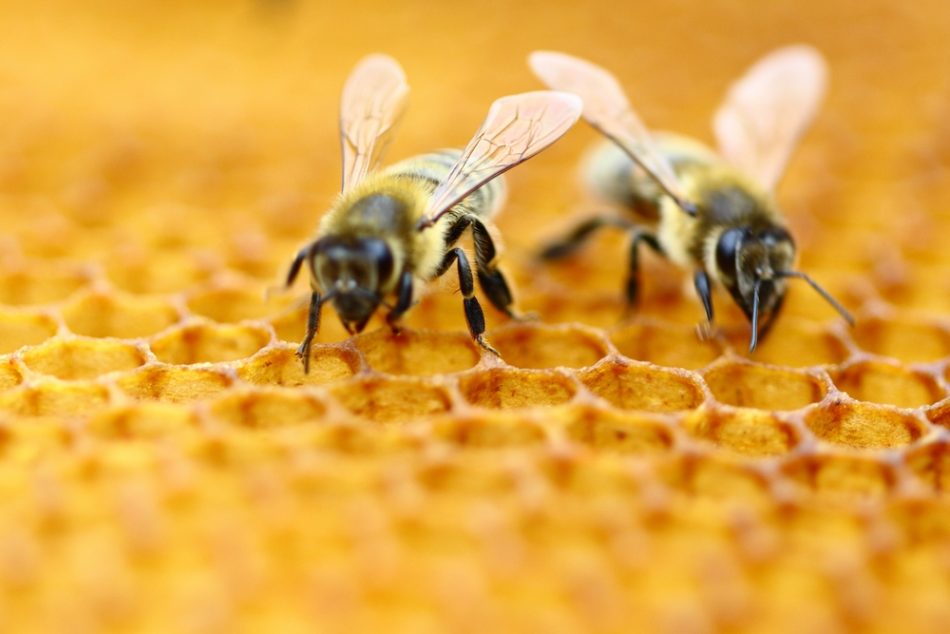
Honeybee venom can kill aggressive breast cancer cells
Honeybees hold the key to our agricultural systems, but it turns out they may also have other amazing healing powers. A study from the Harry Perkins Institute of Medical Research shows honeybee venom could treat triple-negative breast cancer, a type that currently has limited treatment Read More...