


Environment
Need some good news about the environment? The Optimist Daily is your go-to herald of positive environmental news, highlighting eco-friendly solutions and scientific progress around climate action, circularity, conservation, and more. Learn about everything eco in our Environment section.
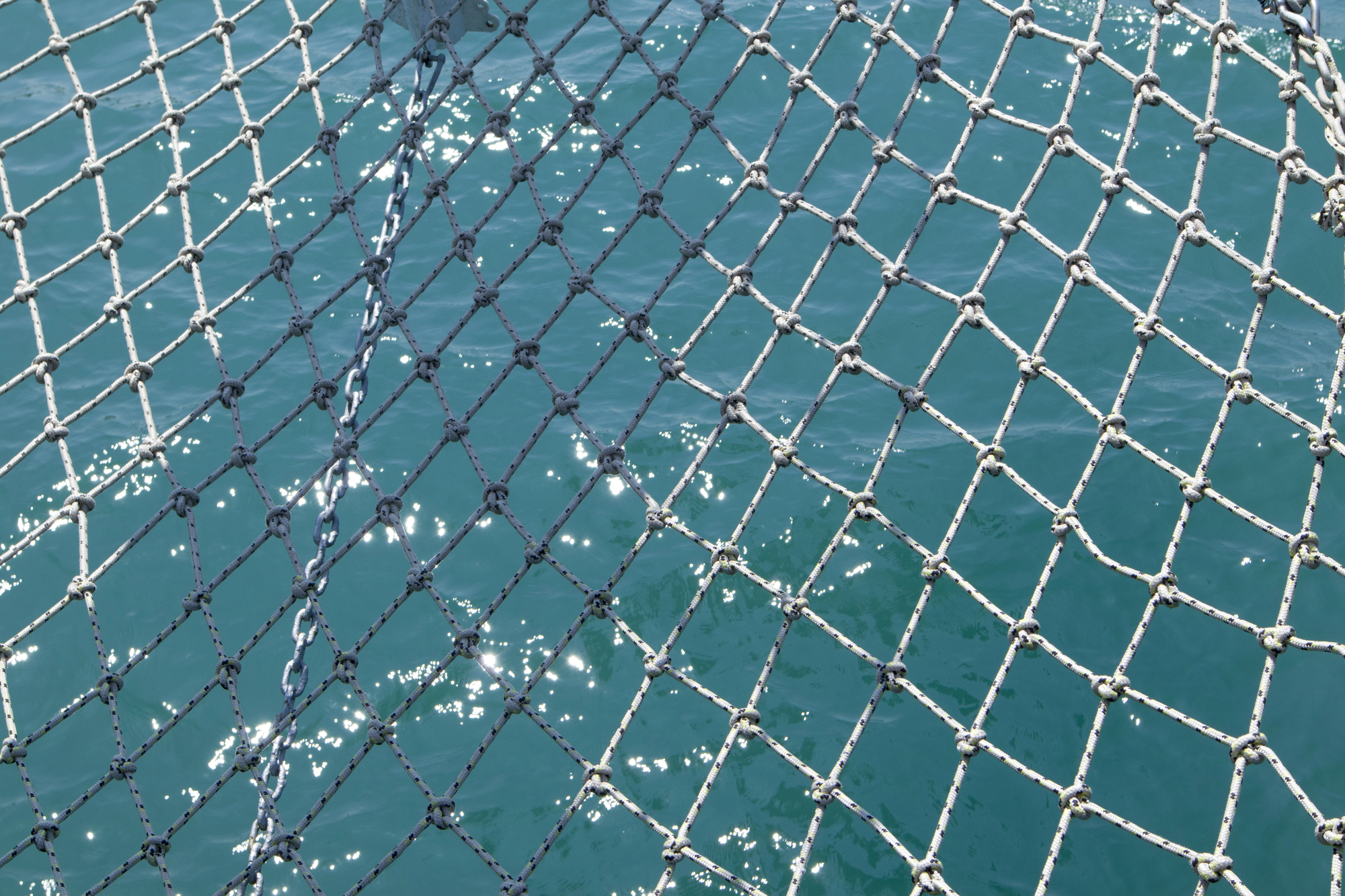
The Newcastle researcher turning ocean plastic into a dolphin rescue strategy
BY THE OPTIMIST DAILY EDITORIAL TEAM Gillnets catch dolphins by accident. The nylon mesh hangs nearly invisible in the water, and dolphins’ echolocation, the system they rely on to navigate and hunt, can fail to detect it. The filaments may produce no detectable echo, or the dolphins may Read More...

Data centers explained: the hidden infrastructure behind your daily digital life
BY THE OPTIMIST DAILY EDITORIAL TEAM Every time you stream something, pay a bill, or ask an AI a question, a server somewhere is putting in the work. Those servers live in data centers: large, unglamorous buildings full of humming machines that run around the clock and consume staggering amounts Read More...
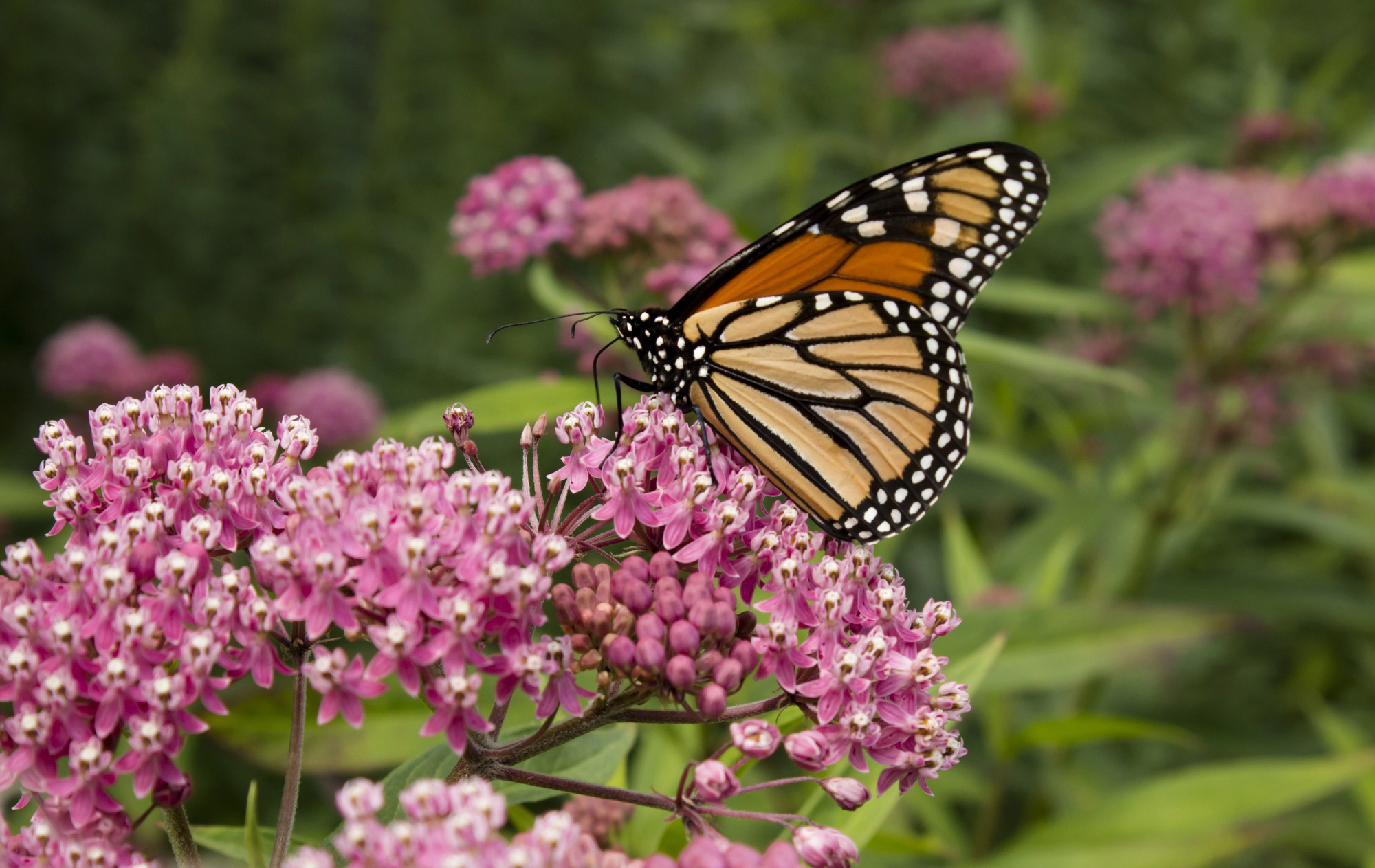
Roadside milkweed is giving monarchs a new migration highway
BY THE OPTIMIST DAILY EDITORIAL TEAM Researchers have planted 9,000 milkweed plants along roads in six North Florida counties, with 6,000 more going in before 2029. Monarchs are already showing up at the sites. The work is part of a national effort led by the University of Illinois Chicago to Read More...

From molten salt to liquid air: clean energy’s weird storage revolution
BY THE OPTIMIST DAILY EDITORIAL TEAM There’s something strange about where the clean energy transition has gotten stuck. Generating power from the sun and wind? Mostly figured out. Storing it? That’s the part nobody has fully solved. When the sun sets and the wind drops, whatever energy Read More...
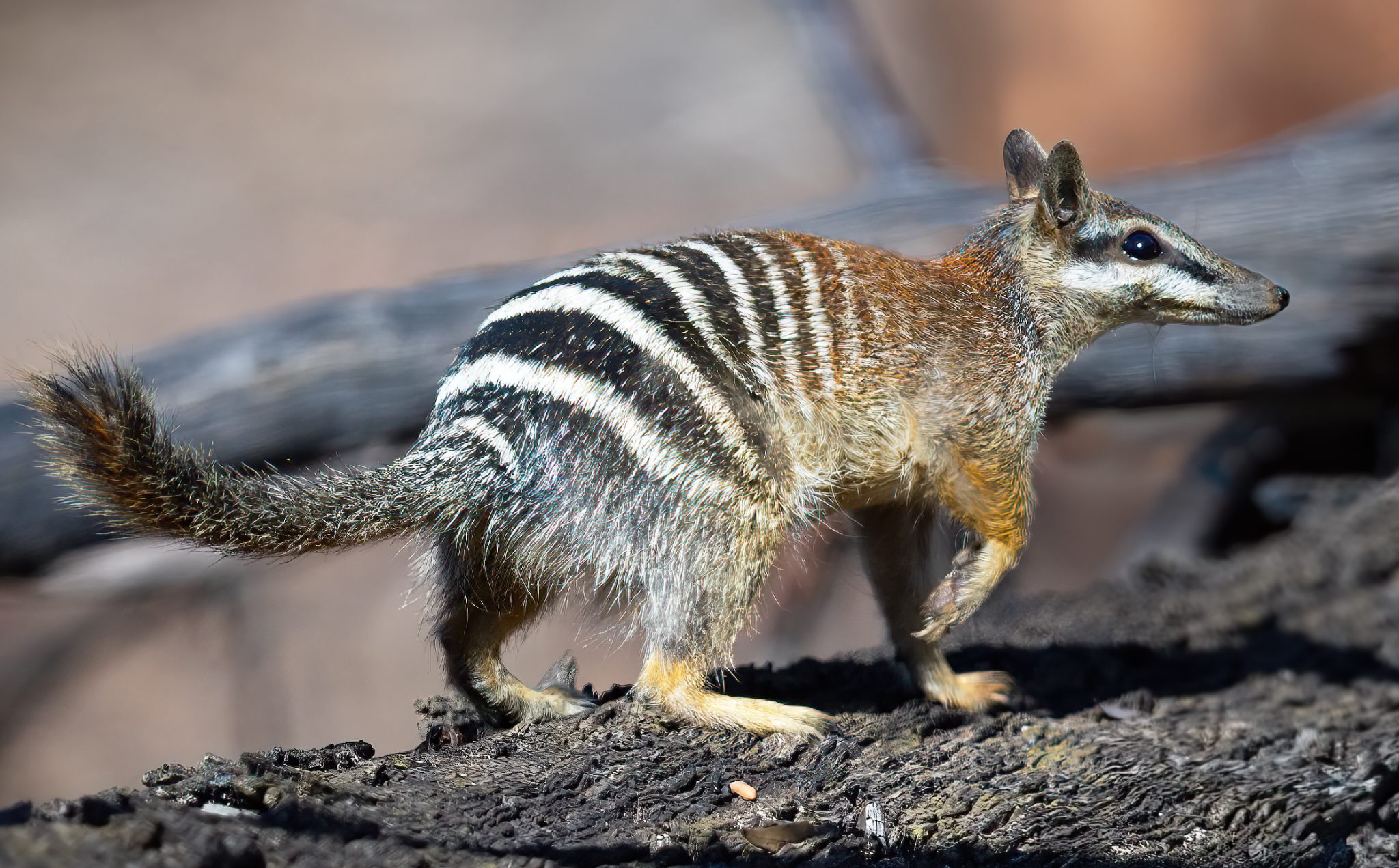
From 300 to 3,000: how Australia brought the numbat back
BY THE OPTIMIST DAILY EDITORIAL TEAM Great news! The (adorable) numbat is no longer endangered. The IUCN has moved Western Australia’s animal emblem from Endangered to Near Threatened on its Red List, after more than 40 years of conservation work. “The downlisting of the numbat from Read More...
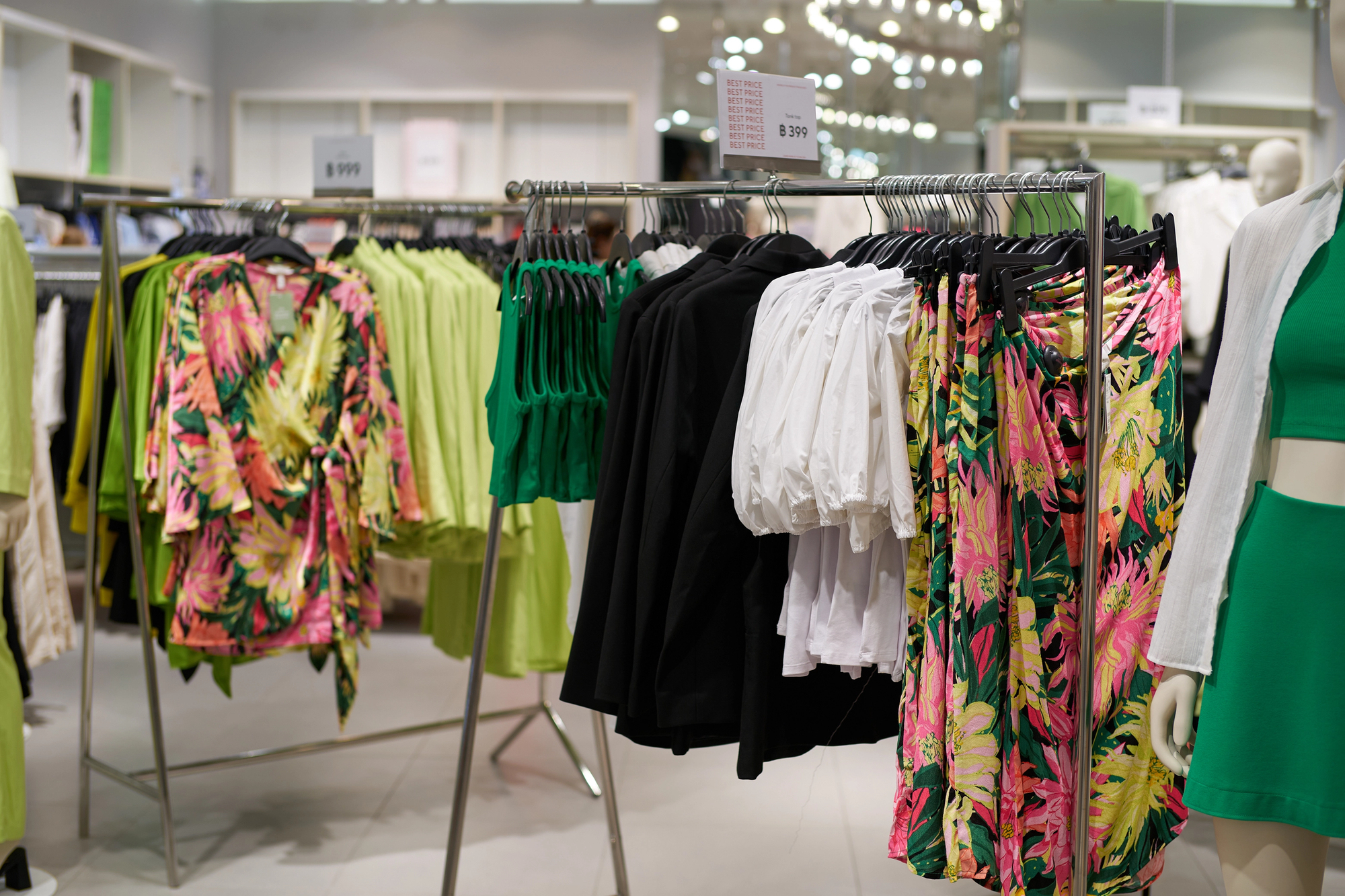
Fashion’s dirty secret: the EU just banned brands from incinerating unsold clothes
BY THE OPTIMIST DAILY EDITORIAL TEAM Large fashion companies in the EU can no longer destroy unsold clothing, shoes, or accessories. As of this week, that’s illegal. The change is part of the EU’s Ecodesign for Sustainable Products Regulation, which applies to companies with more than 250 Read More...
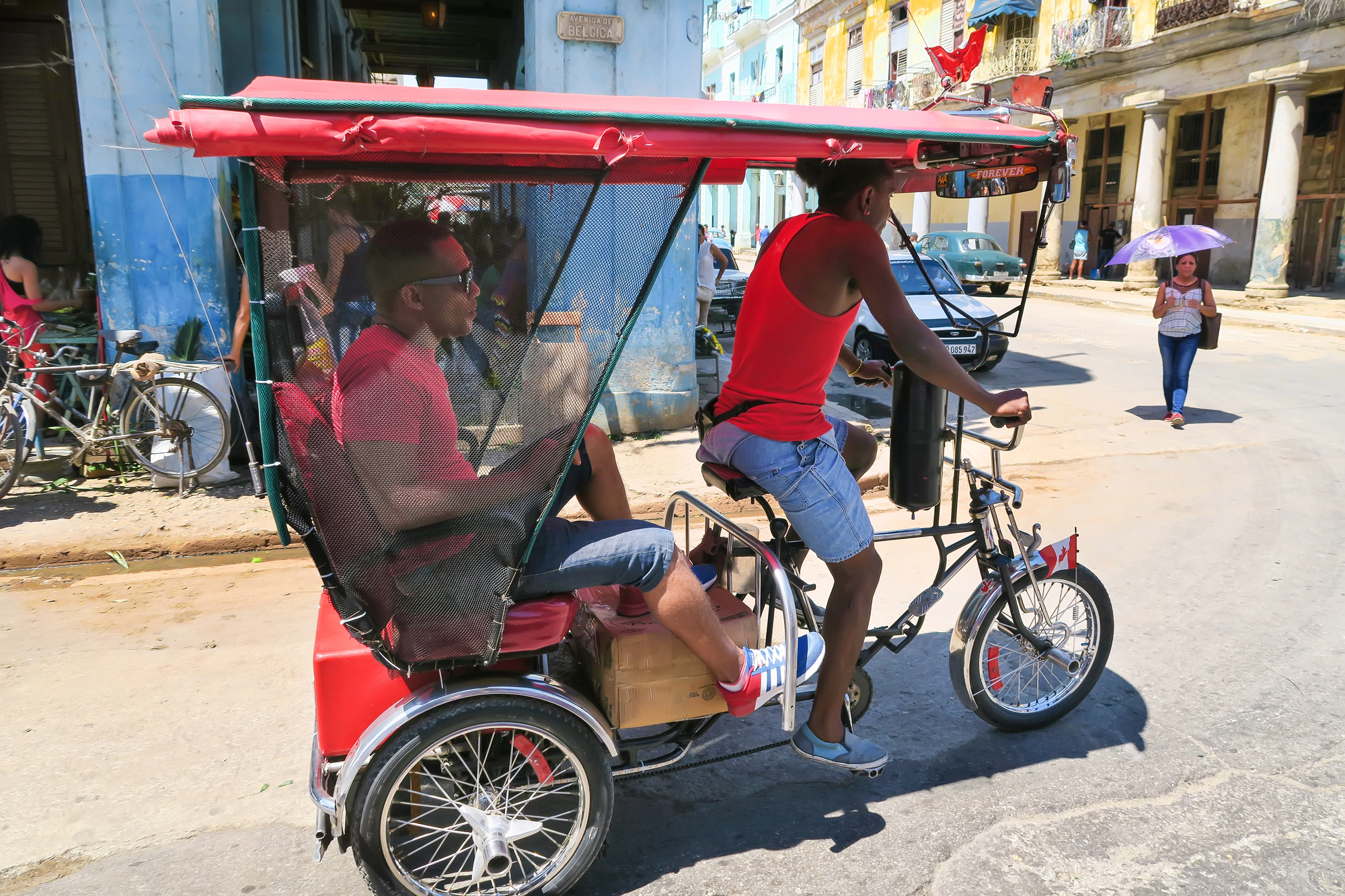
In Cuba’s fuel crisis, solar tricycles took the streets
BY THE OPTIMIST DAILY EDITORIAL TEAM Cuba has long been known for its vintage cars — the American ones that kept rolling through decades of embargo and scarcity, repaired with ingenuity and improvised parts. That ingenuity hasn’t gone anywhere. What it’s being directed at now is something Read More...
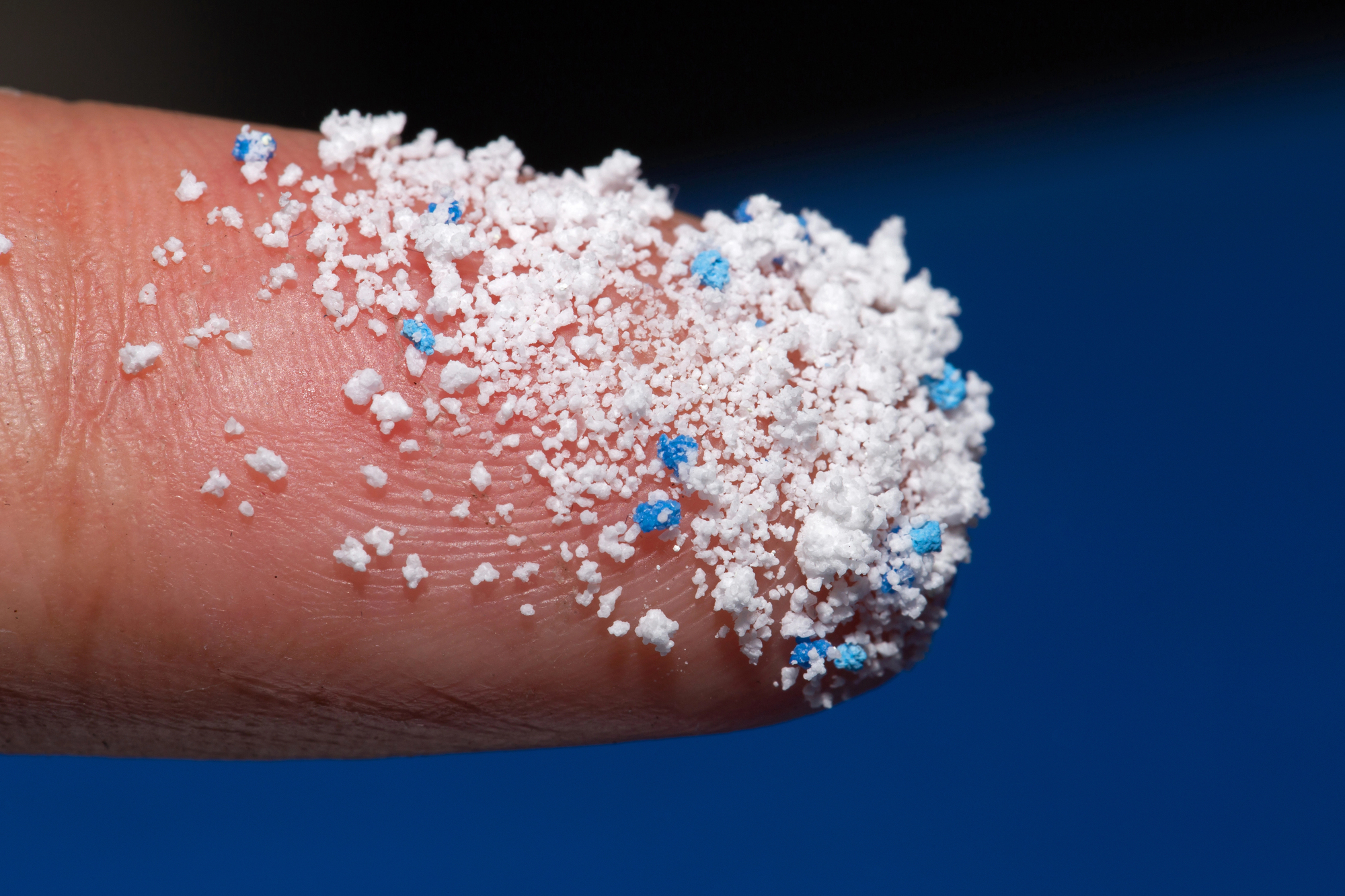
Reducing microplastic exposure: the four habits we should all be prioritizing
BY THE OPTIMIST DAILY EDITORIAL TEAM In 2025, researchers publishing in Nature Medicine found microplastics in human brain tissue at concentrations considerably higher than in the liver or kidneys. The year before, scientists at Columbia and Rutgers counted hundreds of thousands of nanoplastic Read More...

Africa secures $900 million in new clean cooking commitments
BY THE OPTIMIST DAILY EDITORIAL TEAM Nearly one billion people across Africa cook over charcoal or firewood every day. $3.1 billion in commitments is what it’s going to take to change that, and the number keeps climbing. African countries secured $900 million in new financial commitments to Read More...

How Paris uses the Seine to cool thousands of buildings without AC
BY THE OPTIMIST DAILY EDITORIAL TEAM Every air conditioner does the same thing: pull heat from inside a building and dump it outside. On a hot day, millions of units doing that together push street temperatures up, which makes the next hot day worse. “Everything that requires energy releases Read More...