


Technology
There has been no era like ours for the rapid development of technology. Stay updated on the hottest trends and advancements from all over the world.
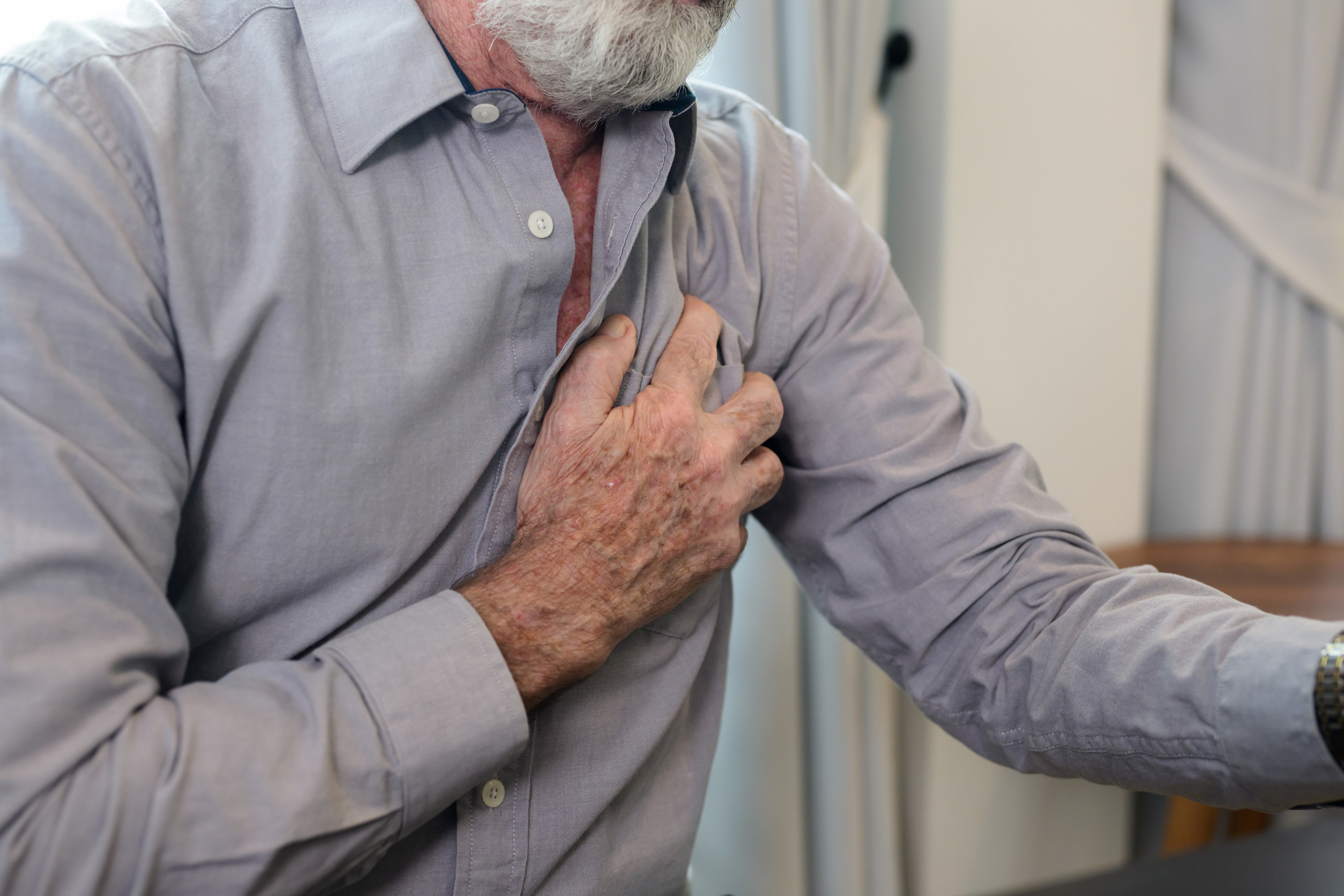
A £5 blood test could help prevent thousands of heart attacks and strokes, study finds
BY THE OPTIMIST DAILY EDITORIAL TEAM A modest £5 ($6.30) blood test could be the key to preventing thousands of heart attacks and strokes, according to new research that could reshape the way doctors assess cardiovascular risk. Funded by the British Heart Foundation and published in the Read More...

Splitting seawater could revolutionize cement into a carbon-negative material
BY THE OPTIMIST DAILY EDITORIAL TEAM In the race to tackle climate change, cement has long been a stubborn problem. Responsible for about eight percent of global carbon dioxide emissions, it’s the fourth-largest source of CO2 pollution worldwide. But a team of researchers believes a new, Read More...
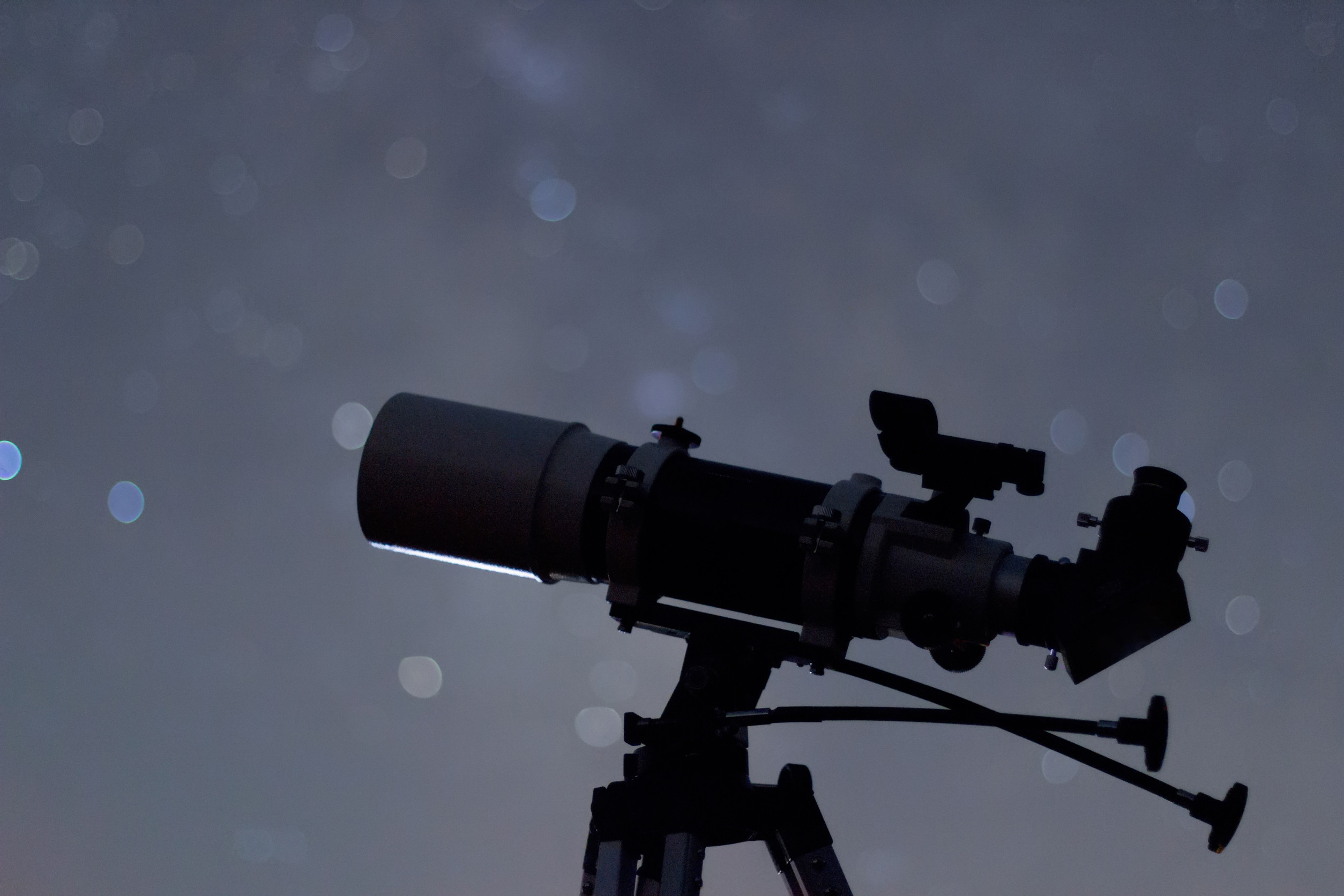
Citizen scientists map space from their backyards with this global telescope network
BY THE OPTIMIST DAILY EDITORIAL TEAM In the quiet suburb of Monterrey, Mexico, Iván Venzor sat down for dinner with his family while a telescope just a few meters away captured something extraordinary—a distant Jupiter-sized planet briefly passing in front of a star. The flicker of light was Read More...

Super small dissolvable pacemaker offers safer, simpler heart treatment
BY THE OPTIMIST DAILY EDITORIAL TEAM In a brilliant medical innovation, researchers developed the smallest known pacemaker—smaller than a grain of rice—that dissolves in the body once its job is done. Detailed in the journal Nature, this biodegradable, injectable device could revolutionize Read More...
Tiny sparks, massive implications: how water droplets may have ignited life on earth
BY THE OPTIMIST DAILY EDITORIAL TEAM Could the origin of life have begun not with a bolt from the blue but with something far smaller? According to a new study from Stanford University, tiny electrical sparks known as "microlightning," created by interactions between water droplets, may have Read More...
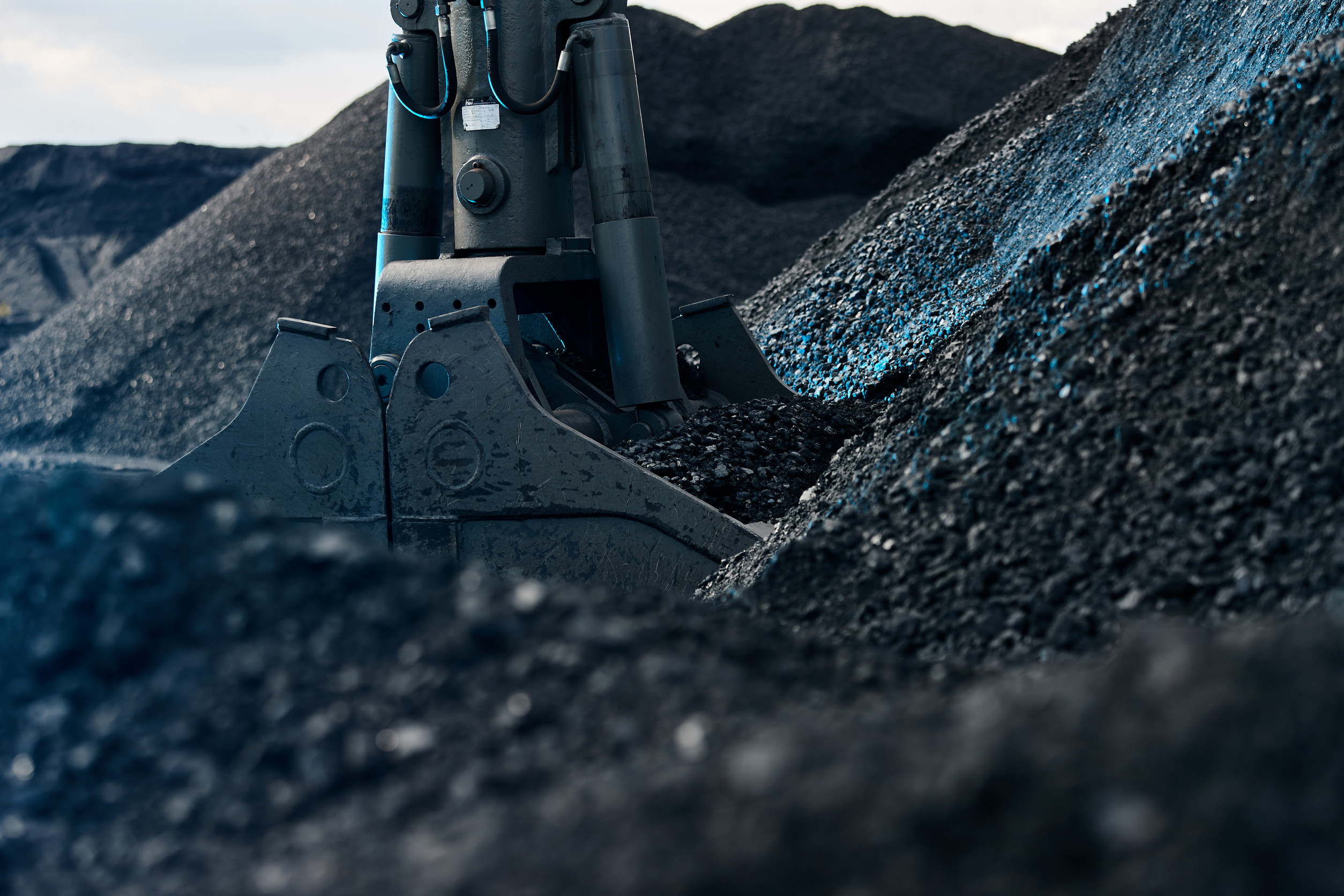
Finland races ahead in clean energy: coal phase-out arrives four years early
BY THE OPTIMIST DAILY EDITORIAL TEAM In a remarkable step toward a fossil-free future, Finland effectively phased out coal as a source of electricity generation—four years ahead of its 2029 target. The closure of the Salmisaari coal plant in Helsinki on April 1 marks the latest and most Read More...
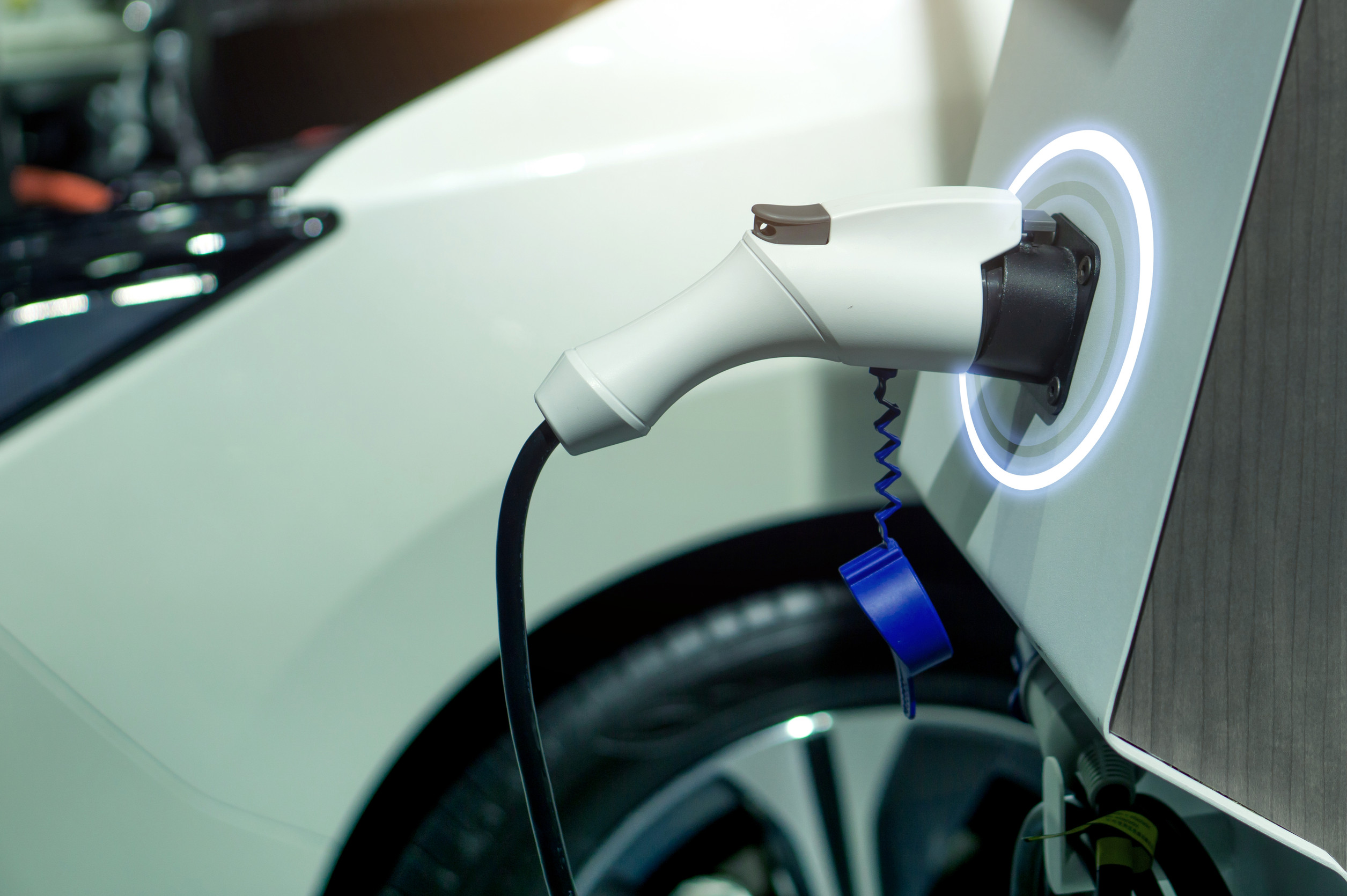
California leads the way as EV charging ports outnumber gas nozzles
BY THE OPTIMIST DAILY EDITORIAL TEAM California achieved a significant milestone in its transition to electric vehicles (EVs). As of 2024, the Golden State already had 178,500 electric vehicle charging ports—outnumbering the state's estimated 120,000 gas nozzles. This shift marks a critical Read More...
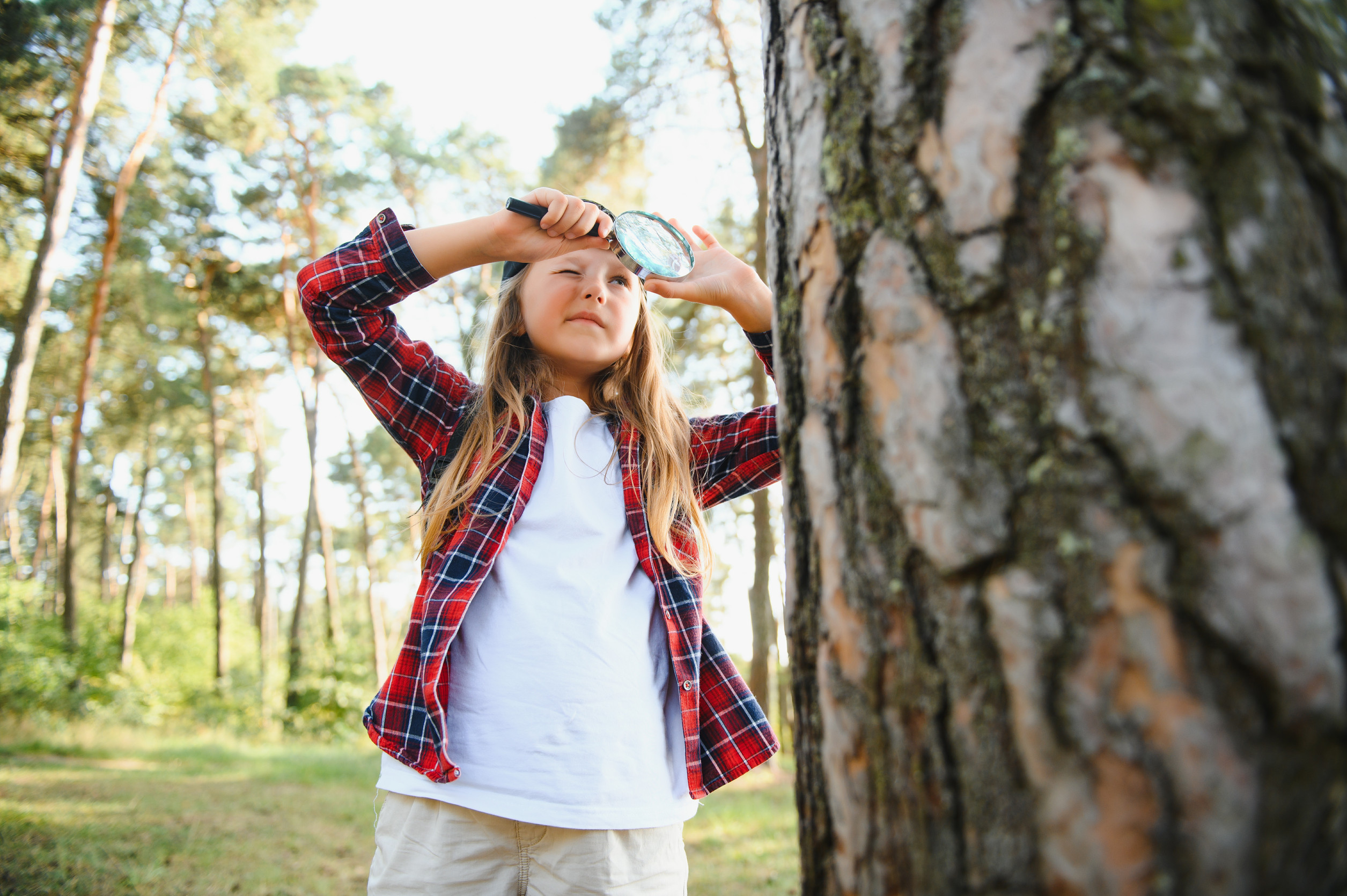
Nine new tardigrade species discovered with help from Danish schoolchildren
BY THE OPTIMIST DAILY EDITORIAL TEAM Tardigrades, also known as water bears, are small, resilient creatures that have fascinated scientists for decades. These tiny organisms can survive extreme conditions—freezing, high radiation, and even the vacuum of space. While tardigrades may not grab Read More...

AI tool developed by Cambridge researchers could speed up celiac disease diagnosis
BY THE OPTIMIST DAILY EDITORIAL TEAM A team of researchers at the University of Cambridge developed an artificial intelligence tool that may drastically shorten the time it takes to diagnose celiac disease, offering hope to hundreds of thousands of patients in the UK and potentially easing Read More...
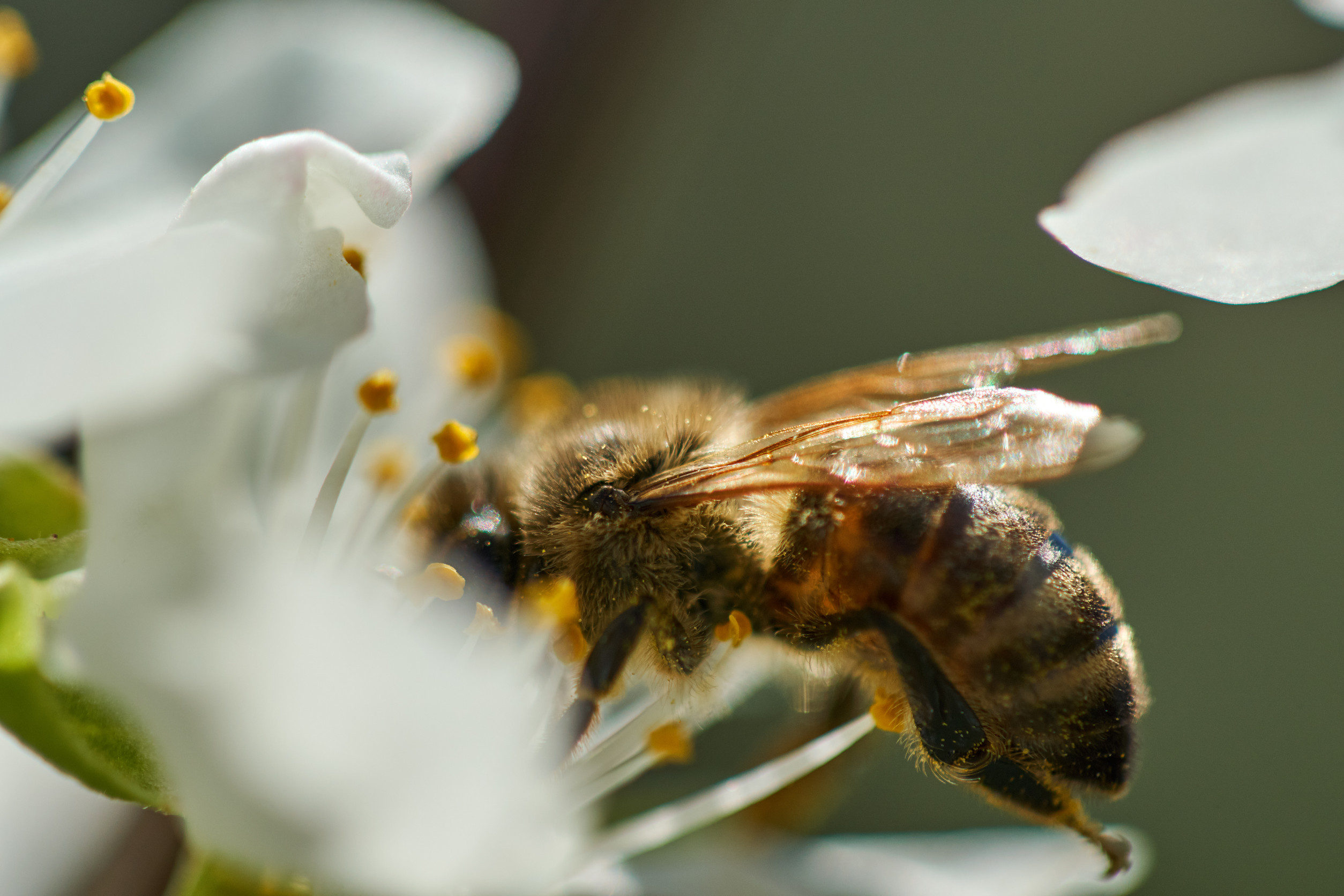
UK targets 10 percent pesticide reduction by 2030 to protect pollinators
BY THE OPTIMIST DAILY EDITORIAL TEAM In a long-awaited move, the UK government has unveiled its first official pesticide reduction target, pledging to cut pesticide use on arable farms by 10 percent by 2030. The plan, aimed at protecting bees and other pollinators, marks a significant shift in Read More...