



Beeflow wants to save the bees and make them stronger
We cannot continue to feed our world without pollinators, namely bees, which is why Argentina-based startup Beeflow is working to not only save the bees, but even make them more productive. Like many other bee cultivators, Beeflow rents out their colonies to farmers to better pollinate the Read More...

New "bee vaccine" can help pollinators become immune to pesticides
Without pollinators, our food security and survival as a species would be seriously at risk. But even with this knowledge, humans continue to perpetuate practices that endanger bees and other pollinators, one of the biggest being the growing use of pesticides in agriculture. Pesticides in large Read More...

Scientists have trained Dutch bees to detect Covid-19
Bees are miraculous critters that play an essential role in feeding the world through pollination. However, Dutch scientists have tapped into another one of their valuable attributes to help identify cases of Covid-19: their acute sense of smell. When someone is infected with Covid-19, the Read More...

Angelina Jolie covers herself in bees to raise awareness about pollinators
Although bees and other pollinators are essential for propagating more than 75 percent of food crops, there is still not enough awareness about the extinction risk that these insects are currently facing as a result of human activities. In a bid to bring this urgent issue under the spotlight, on Read More...

EU court upholds pesticide ban to protect European bees
Back in 2020, we shared how the European Union’s top court upheld a French pesticide ban to protect bees. Now the court is back with another pro-pollinator ruling, upholding an EU partial ban on three insecticides linked to harming bees. The lawsuit, filed by Bayer, attempted to overturn the Read More...
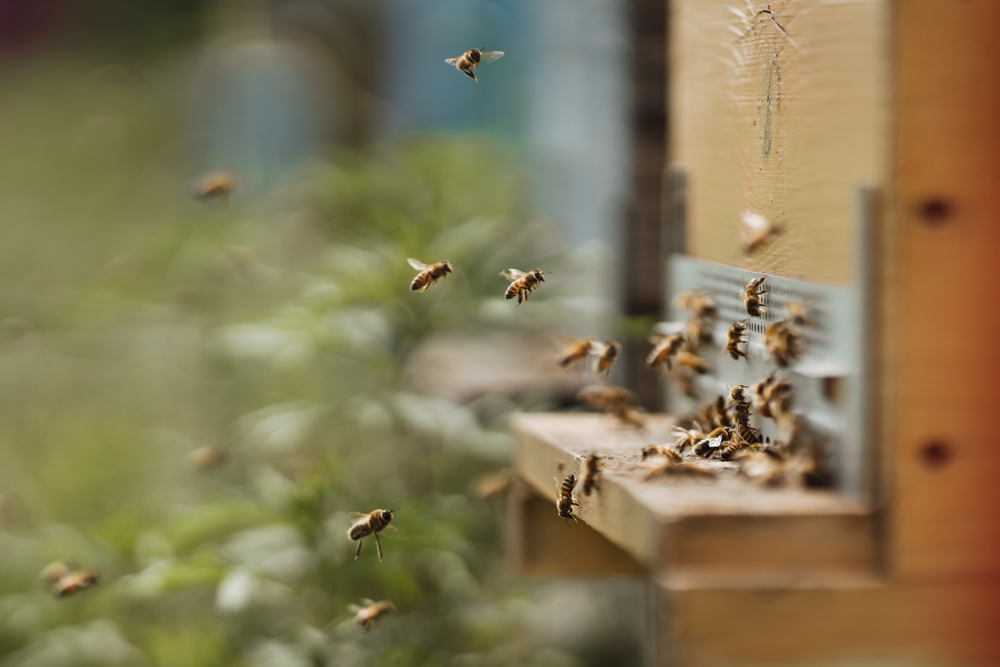
Automated beehive monitors bee health to prevent colony collapse
Here at The Optimist Daily, we're major advocates for solutions aimed at tackling the collapse of the global bee population. Today, we bring you a solution that may offer a snapshot of what beekeeping of the future will look like, tapping into AI and machine learning to keep the pollinators Read More...

This Dutch pollinator strategy protects bees across the country
Last week, the Netherlands held a bee-counting event in which more than 11,000 volunteers from across the country participated. The volunteers spent 30 minutes recording the various types of bees visiting their gardens with the help of a list of the most common bees present in the country during Read More...
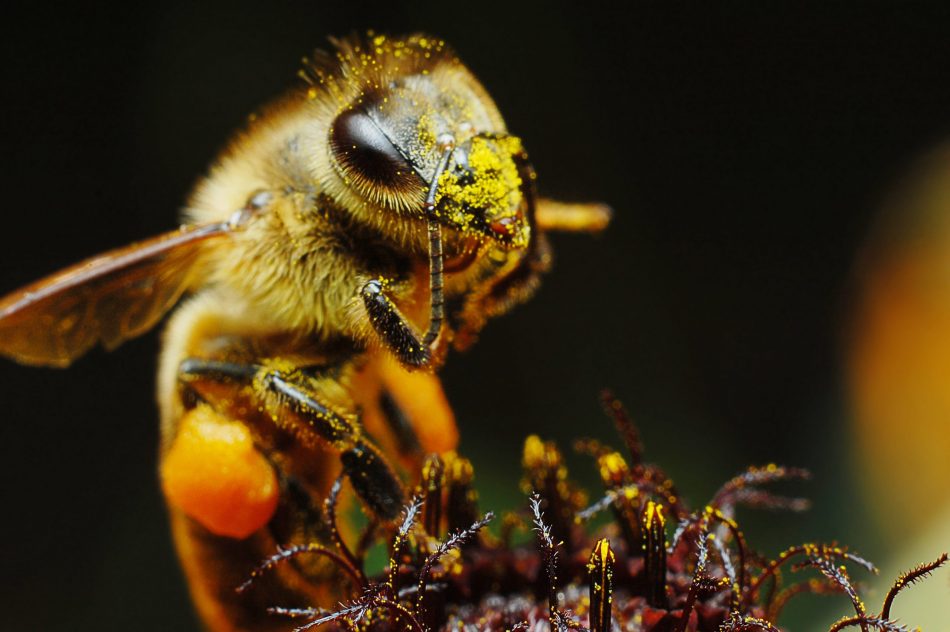
Sigh of relief: UK will not use bee-harming pesticide after all
Earlier this year, the British government reversed a ban on a bee-harming pesticide called neonicotinoid in order to kill off virus-transmitted aphids that threatened the UK’s sugar beet fields. Environmentalists were obviously not pleased with the reversal of the ban as the government had broken Read More...

Bee species last seen almost a century ago found alive in Australia
A rare species of bee that was feared extinct has been spotted for the first time in almost a century. The elusive pollinator, endemic to Australia, was in the forests of north Queensland all along. The exciting discovery is the result of a widespread field search that was prompted after bee Read More...

Find everything you need to support pollinators in your yard right here
We all want to support pollinators, but the best way to do this varies based on where you live. If you live in the US, Xerces Society is a great resource for finding the most impactful pollinator protection tools at your disposal. The organization's Pollinator Conservation Resource Center is Read More...