


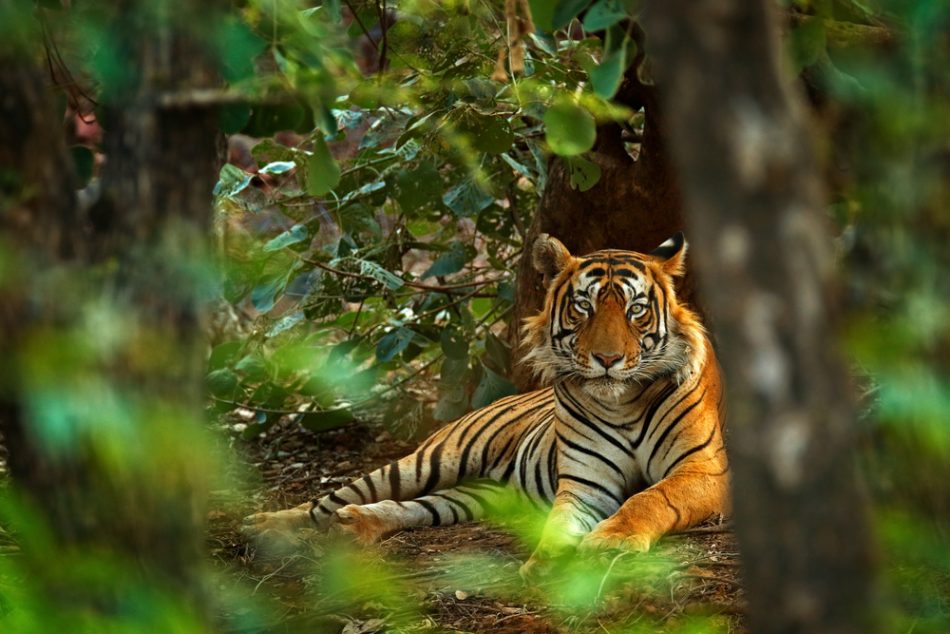
India’s tiger population grows by one third in only four years
Nine years ago, India sought to double its tiger population by 2022. But on International Tiger Day, the country announced it met its goal four years earlier than expected. Through assiduous conservation efforts, India is now home to nearly 3,000 tigers, a third more than it had four years ago, Read More...
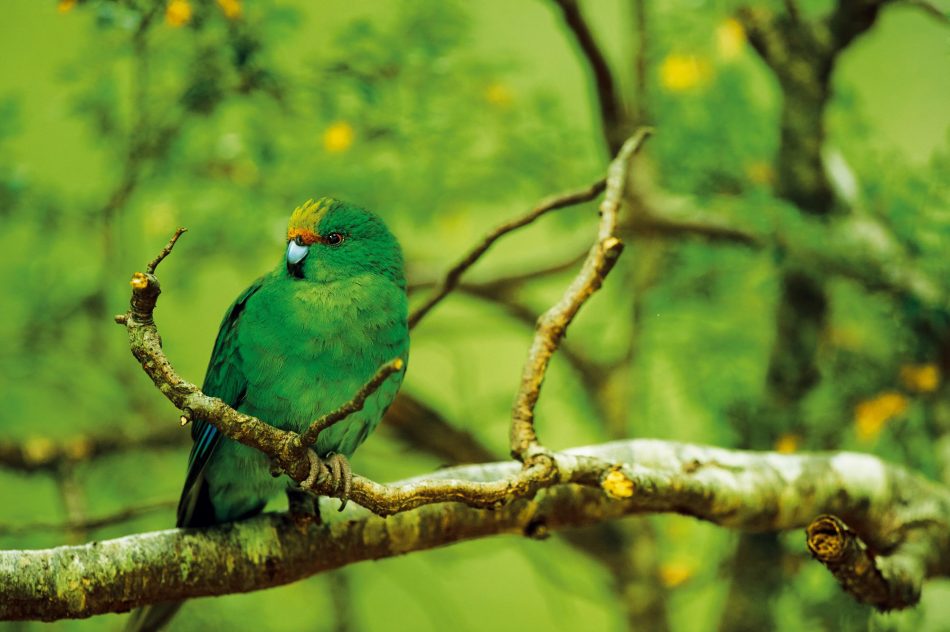
New Zealand’s rarest bird is having its best breeding season in decades
The kākāriki karaka, also known as the orange-fronted parakeet, is New Zealand’s rarest mainland forest bird. Around the world, it was estimated that the population of this critically endangered species ranged between 100-300. But this breeding season has apparently been the most the fruitful Read More...

Interpol just rescued thousands of animals following global sting operation
A sting operation like none other took place this week as global police and customs officials cracked down on the biggest wildlife trafficking ring the world has ever seen. The giant environmental crime operation involved 109 countries and resulted in nearly 2,000 seizures of protected wildlife, Read More...

To save the Monarch butterfly, grow this plant in your garden
Monarch butterflies need all the help they can get. Eastern Monarch populations have plummeted 90 percent in just the last two decades, and their Western comrades aren’t fairing all too much better. This is partially to blame on the loss of milkweed in America, a perennial flower that serves Read More...

Scientists in New Zealand are using ‘eavesdropping’ technology to protect birds
This week we’re giving extra attention to birds, bees and all the pollinators that keep our ecosystems in order. For today’s edition, let’s have a word about the Hihi bird—a rare species of bird that was recently reintroduced to a nature reserve in New Zealand after being regionally extinct Read More...

Scientists discover supposedly extinct species living in the forest of Honduras
Just because a species is labeled as extinct does not necessarily mean that they’re gone from this Earth forever. Deep in the Mosquitia rainforest of Honduras, researchers recently rediscovered a species thought to be extinct at the ruins of a recently discovered ancient settlement known as the Read More...

African elephant poaching falls dramatically as ivory demand slows
Africa is home to some of the world’s most iconic animals, but the crisis of illegal poaching has left numerous species vulnerable and even on the brink of extinction. Among these animals are elephants, that die in the number of tens of thousands each year for their ivory tusks. The good news Read More...
How Chernobyl went from nuclear disaster zone to wildlife haven
The Chernobyl nuclear disaster is looking more and more like a blessing in disguise. Why? Because the massive disaster zone is teeming with rare and endangered wildlife now that humans have been gone for more than 30 years. In 1986, the Chernobyl Nuclear Power Plant in northern Ukraine released Read More...

Park rangers in Africa are using smart GPS trackers to protect rhinos
At the end of the 20th century, the global population of rhinos stood at around 500,000. Absurd amounts of poaching have caused that number to drop down to 28,000, spurring conservationists to take more dramatic steps for protecting these precious animals. In a sprawling wildlife preserve in Read More...

This is how to do wildlife tourism the right way
Travelers love animals. We want to get close to them and learn more about them. But the reality that many tourists don’t see is that to stay in business, animal encounters, such as elephant rides and photo ops with tigers, rely on putting wild creatures to work. Discerning the difference between Read More...