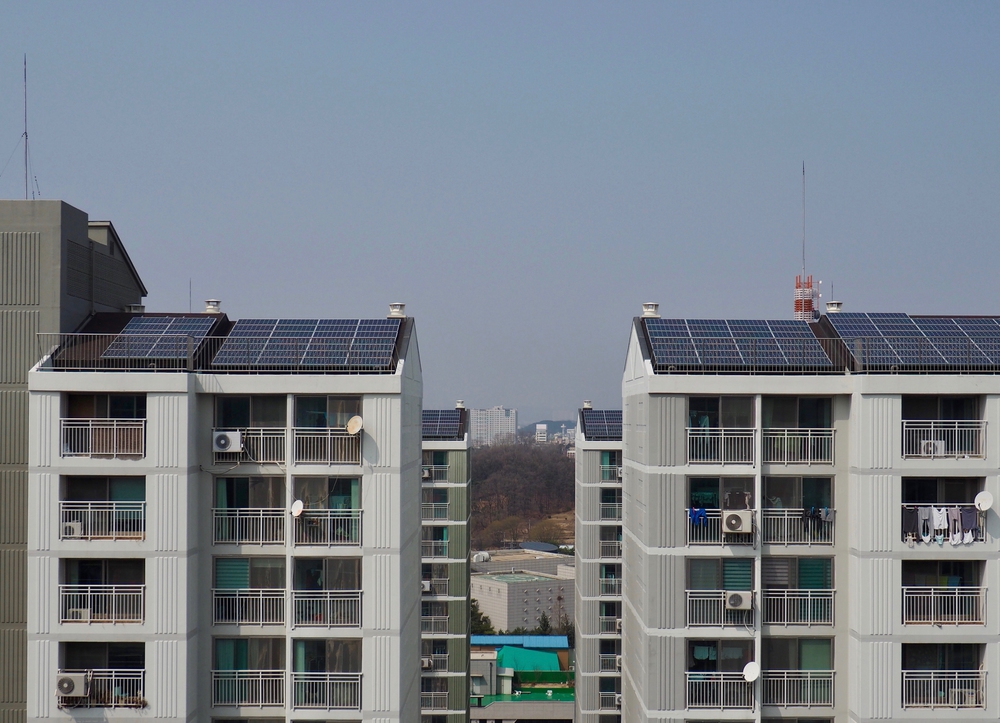
The world’s cities are growing rapidly and in 2050 two thirds of the global population is expected to reside in urban areas, compared to 50 percent today. That puts pressure on infrastructure, energy supply and housing capabilities in a global climate that is poised to become hotter and less predictable. The challenges become even more complex considering that climate change does not affect urban dwellers equally, with low-income households and poor neighborhoods being particularly vulnerable.…
100 solutions show how cities are blazing path towards climate action
More of Today's Solutions
World’s tallest wind turbine reaches 1,197 feet in Germany
BY THE OPTIMIST DAILY EDITORIAL TEAM The world's tallest wind turbine just reached full height in Germany. GICON's pilot turbine in Schipkau, eastern Germany, ...
Read MoreFall nostalgia: why your nervous system reaches for reruns when autumn arrives
BY THE OPTIMIST DAILY EDITORIAL TEAM Every fall, something happens in the body before it happens in the mind. The smell of wood smoke ...
Read MoreBeekeepers and airports join forces to save pollinators
Back in 2012, Ben Shertzer, wildlife administrator at Pittsburgh International Airport, found himself dealing with a perplexing problem: swarming bees. The bees would land ...
Read MoreScotland lays out new road map to reach net zero by 2045
BY THE OPTIMIST DAILY EDITORIAL TEAM Scotland took its next step toward reaching net-zero greenhouse gas emissions by 2045, releasing a sweeping draft climate ...
Read More