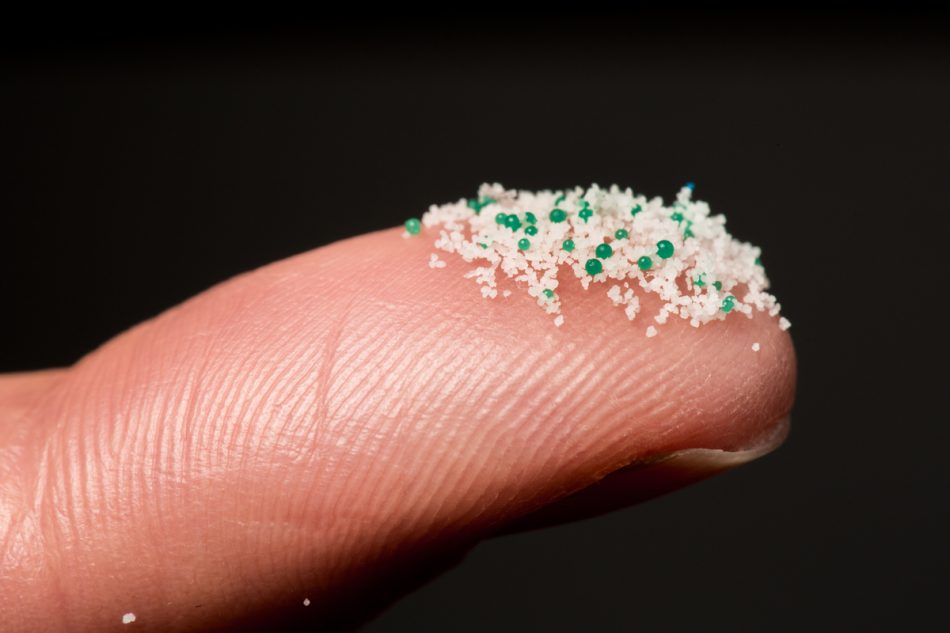
Microplastics—tiny fragments of plastic smaller than 5 millimeters across—are so ubiquitous that plastic is now found in drinking water, Arctic snow, and the deepest part of the ocean. As plastic breaks down, the tiny size makes it even harder to remove from water. But scientists are testing a new method that could safely dissolve it – tiny spring-shaped magnets.
The process uses carbon nanotubes laced with nitrogen that generate reactive chemicals called free radicals, triggering reactions that break down plastic molecules. In the lab, the researchers tested the technology on microplastic beads that are used in toothpaste, facial scrubs, and some other products (these microbeads are now banned in some countries, including the U.S. and U.K., but still used elsewhere). Within eight hours, a significant portion of the plastic had been transformed into harmless compounds.
The nanotubes are designed in a spiral shape that helps them stay stable in the process. Metal built into the tubes makes it possible to use magnets to remove the nanotubes from water when the work is done and reuse them again later.
The technology is still at a proof-of-concept stage in the lab, and so far, the scientists have only proven that it works with microplastic beads – not other forms of microplastic, such as fragments of plastic water bottles. But there are early signs that this would work more broadly. If it does, it could be a solution that solves one of the world’s biggest issues.