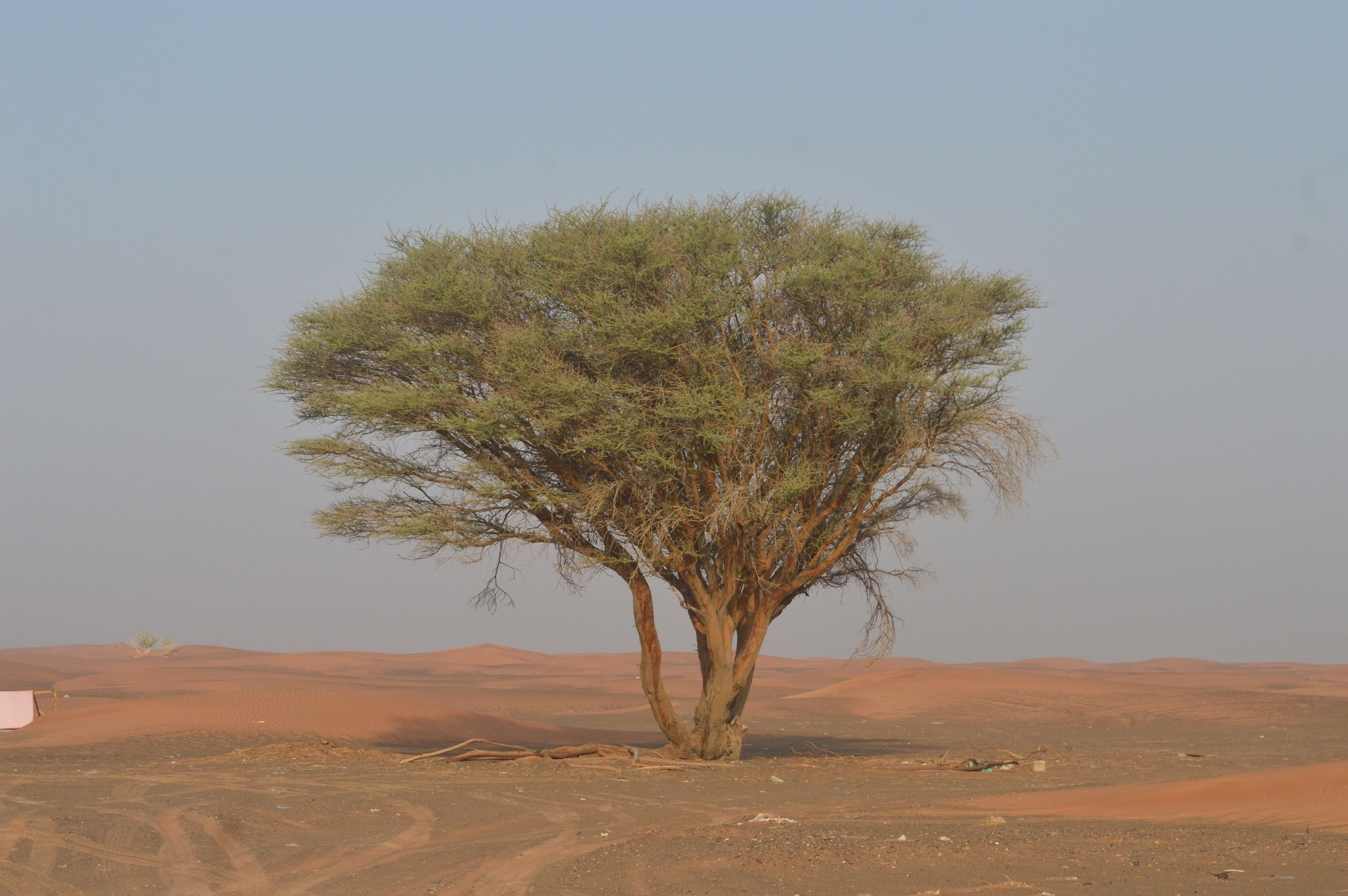
When California’s historic five-year drought finally relented a few years ago, the tally of dead trees in the Sierra Nevada was higher than almost anyone expected: 129 million. Most are still standing, the dry patches dotting the mountainsides. But some trees did survive the test of heat and drought.
Now, scientists are racing to collect them, and other species around the globe, in the hope that these “climate survivors” have a natural advantage that will allow them to better cope with a warming world. The idea behind this strategy of conservation is simple: rather than trying to develop artificial means of helping trees survive, finding the trees that have developed the strongest via evolution is the best way we can prepare for a heating planet.
One type of tree that is proven to be a stalwart is the sugar pine, a tree John Muir once called the “king” of conifers. The sugar pines on the north shore of Lake Tahoe in California endured some of the worst water stress in the region. Winter snowpack melts fastest on south-facing slopes, leaving the trees with little soil moisture over the summer. That opens the door for the trees’ tiny nemesis, beetles, which can deal a fatal blow.
Still, many sugar pines survived, showing an innate ability to do more with less. And for that reason, biologists in California are raising thousands of sugar pine seedlings that can one day be planted in the areas where wildfires have done the most damage.