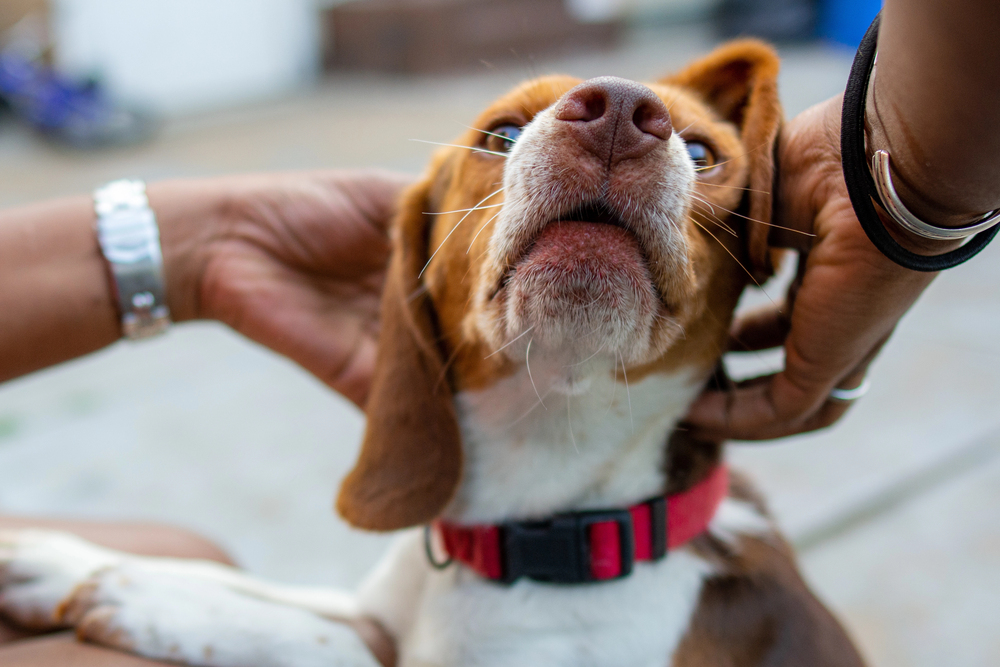
If you have a dog or cat, all that fur you’re constantly sweeping up around the house could be more useful than you thought! Researchers at the University of Technology Sydney have found that fur and hair products are more effective than synthetics at cleaning up oil spills on land.
The researchers collected hair and fur from dog groomers and hair dressers and formed it into mats. Then, they compared its ability to soak up simulated on-land oil spills compared to the traditional options of plastic fabric (propylene) and loose peat moss.
This is the most successful use of cheaper, biodegradable materials to clean up crude oil so far. Although moss has been used, the ecological toll of collecting it makes it not as environmentally friendly as it appears. The dog fur was particularly effective at soaking up the destructive ooze on a variety of different terrains.
Oil spilled on land pollutes soil and can contaminate groundwater, but cleaning up these spills has traditionally involved the use of expensive plastic material. Using hair and fur is a great solution for a no-waste clean up technique. And if you’re a pet owner, you know there is no shortage of shed fur around our homes, cars, and groomers.’