Remote work can provide plenty of advantages—flexibility for families, no commute, increased productivity—but it also comes with some downsides, like higher home energy use and no more free coffee or other office perks. Now, businesses can offer clean energy as a work-from-home benefit, and even subsidize those higher monthly bills, through a new program from renewable energy platform Arcadia.
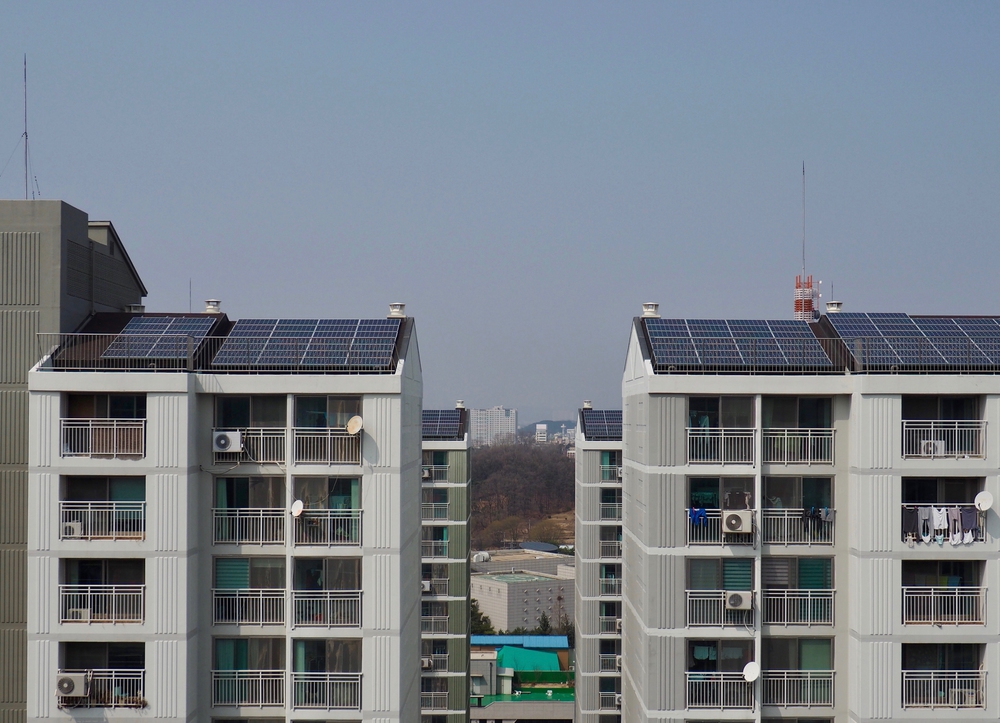
Arcadia connects residents in all 50 states to renewable energy whether they live in a home or apartment, and whether they want to tap into community solar or get renewable energy certificates. CEO Kiran Bhatraju says companies have been asking for ways to provide clean energy as a benefit to their employees even before the pandemic, as part of their sustainability initiatives.
The coronavirus crisis accelerated that need, especially as more energy use means higher bills. Residents in those top 13 metro areas can expect their bills to go up $2 to $37 per month from staying at home, per Arcadia’s research.
When a company joins the Arcadia program, Arcadia takes the responsibility of buying clean energy for their employees who are at home. Employees then have access to their own Arcadia account, which provides bill information and impact tracking. Companies can choose to cover the cost of renewable energy certificates or can directly subsidize their employees’ energy bills—just the clean energy difference, or a higher amount that actually lowers their workers’ energy cost.
That employer will also have access to sustainability reports through the Arcadia platform, which they can use when reporting Scope 3 emissions—those emissions that, according to the GHG Protocol, are an indirect result of a company’s activities—or assessing internal sustainability goals.
McDonald’s, SkySpecs, and CustomerFirst Renewables are already partnering with Arcadia to bring this perk to their employees, and the company is in talks with banks, consulting firms, and other businesses across the Fortune 500 about the benefits program, Bhatraju says. As remote work continues—more than a third of Americans who’ve had to switch to remote work say they want to continue to work from home even after stay-at-home restrictions are lifted—he thinks businesses will be reassessing their own carbon footprints, and considering how to provide environmental benefits to their workers.