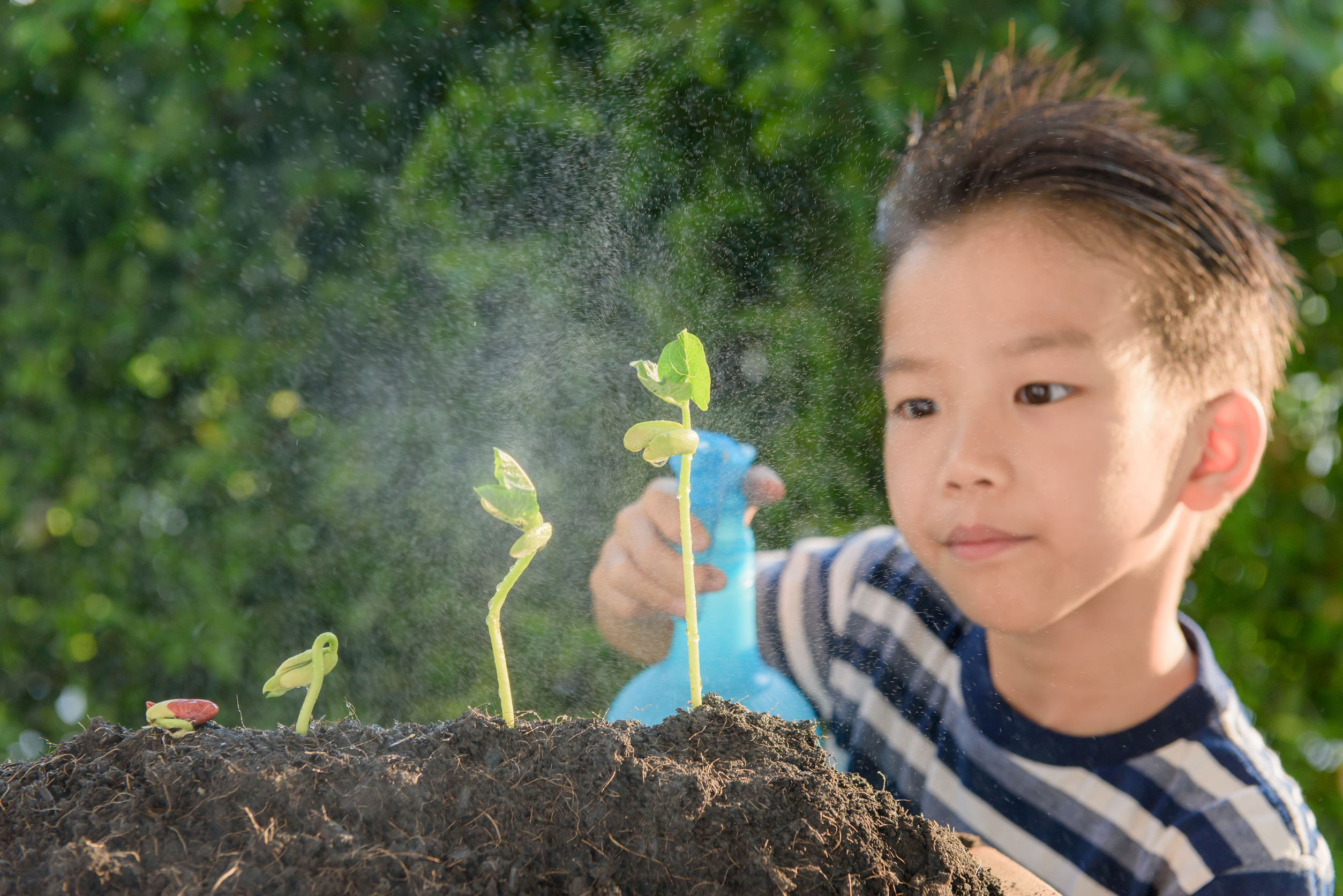
Many of our eating habits are formed as young children and these become increasingly more difficult to change as we get older. It turns out that cultivating school gardens can increase the daily vegetable intake of elementary school children by offering an opportunity to educate them about nutrition and planting.
Researchers from the University of Texas, Austin worked with 16 elementary schools across the state to grow vegetable gardens and lead courses for students and parents about gardening and nutrition. All said and done they found that students who participated in gardening and cooking classes ate, on average, half a serving more vegetables per day than their plant-free peers.
Half a serving of vegetables might not sound like a lot, but the researchers noted that when it comes to changing daily food habits, half a serving is a strong outcome for a small curriculum change. It turns out children get a lot more excited about eating a tomato when they plant, nurture, and pick it with their own hands. Teaching parents new and exciting recipes encourages these healthy habits to take root at home as well.
Many of the participating students have experienced food insecurity or live in food deserts. The researchers specifically sought out schools with a high percentage of students on the free and reduced-price lunch program to bring the nutritional benefits of gardens to the state’s most vulnerable communities. These areas tend to also have higher instances of chronic diet-related illnesses like cardiovascular disease, and type 2 diabetes.
Increasing students’ access to fresh produce and teaching them about the importance of a balanced diet is the first step towards achieving better health outcomes in these communities. Researcher Jaimie Davis says, “Teaching kids where their food comes from, how to grow it, how to prepare it—that’s key to changing eating behaviors over the long term.”