A new study spearheaded by Professor Sarah Blagden and Dr. Hagen Schwenzer, researchers from the University of Oxford, in collaboration with biopharmaceutical company NuCana, has led to a novel chemotherapy drug that demonstrates significant potency in killing cancer cells.
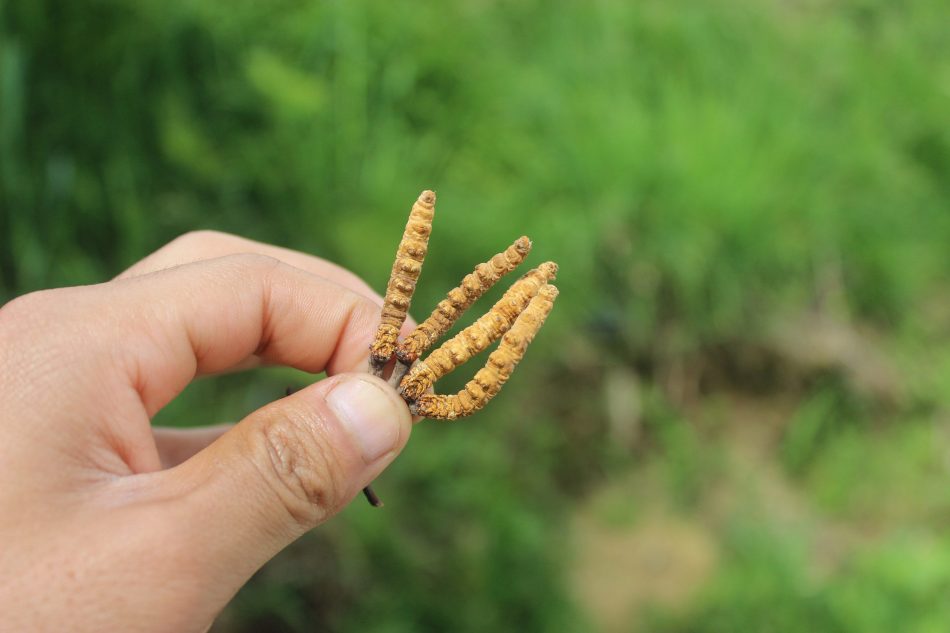
The new drug, called NUC-7738, is an enhancement of a naturally-occurring nucleoside analog known as Cordycepin (or 3’deoxyadenosine) that is found in the Himalayan fungus Cordyceps Sinensis. This fungus has been used to treat cancers and other inflammatory diseases in traditional Chinese medicine for centuries, however, the drug is rapidly broken down in the bloodstream, rendering what’s left of it to be of minimal use once it reaches the tumor.
To improve the potency of Cordyceps Sinensis, NuCana developed Cordycepin into a clinical therapy, using the new ProTide technology, resulting in a chemotherapy drug with enhanced efficacy.
What is ProTech technology?
ProTech technology is a novel approach for delivering chemotherapy drugs into cancer cells by attaching small chemical groups to nucleoside analogs such as Cordycepin. These are later metabolized once it has reached the patient’s cancer cells, releasing the activated drug. ProTech technology has already been successfully used in FDA-approved drugs to treat infections like Hepatitis C, Ebola, and Covid-19.
The results
Based on the study published in Clinical Cancer Research, NUC-7738 is even more poisonous than Cordycepin to a range of cancer cells.
Currently, NUC-7738 is being assessed by Oxford researchers and partners in Edinburgh and Newcastle in Phase 1 clinical trial NuTide:701, where the drug is being tested on cancer patients with advanced solid tumors that didn’t respond well to conventional treatment. So far, the early results have demonstrated NUC-7738 promising anti-cancer activity and that the drug is well tolerated by patients.
Based on these encouraging results, Phase 2 clinical trials are in the works.
Source study: Clinical Cancer Research—The novel nucleoside analogue ProTide NUC-7738 overcomes cancer resistance mechanisms in vitro and in a first-in-human Phase 1 clinical trial