


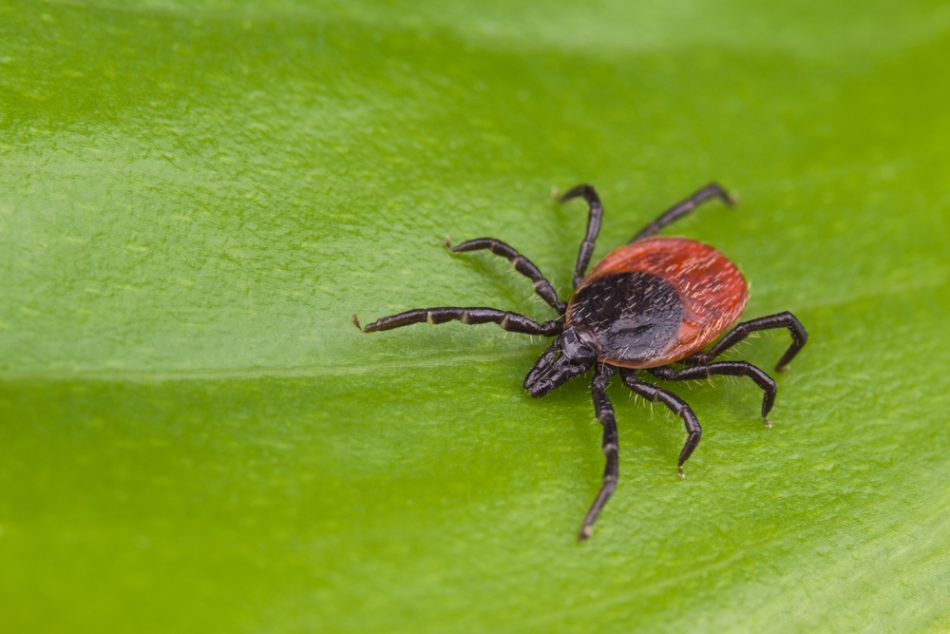
According to the CDC, there are around 30,000 Lyme disease infections reported in the US every year. This number is likely to be much higher, with estimations of actual infections being eight to 10 times more than those recorded. The little critters responsible for the disease are blacklegged ticks (Ixodes scapularis), which transmit the bacterium Borrelia burgdorferi into the host causing the infection. Symptoms include fatigue, headaches, fever, and in more severe untreated cases, the infection can spread around the body causing paralysis and death.
How does the vaccine work?
Ticks are expanding into new territories across the midwest, meaning cases of Lyme disease are also expected to grow. To confront this issue, a team from the Yale School of Medicine has created a vaccine. The way it works is by stopping the ticks from being able to feed and multiply within the host’s skin, in this way stopping the bacteria from entering. The team utilized a type of RNA in the vaccine, which works by carrying instructions on how to fight off the invasion.
So who were the guinea pigs that were involved in the novel vaccine trial? It turns out it was actual guinea pigs, with results showing “robust immunity” against Lyme disease in these creatures. The study, published in Science Translational Medicine, found that two weeks after receiving the injection, a substantial immune reaction was achieved. The response works by creating inflammation around the area of the bite, causing the ticks to dislodge. Alongside this, protective proteins in the blood are recruited to fight against bacterial infection.
A major step towards a vaccine against Lyme disease
“The authors demonstrated that early tick removal, together with the [vaccine]-driven inflammatory reaction around the tick bite, is a key step toward the development of a vaccine for preventing Lyme disease transmission,” said the research group in a statement published in Science Translational Medicine. Although humans are considerably different from guinea pigs, more testing and clinical trials need to occur in the future to see if this immunity would transfer in the same manner.
Source study: Science Translational Medicine – mRNA vaccination induces tick resistance and prevents transmission of the Lyme disease agent






