When a complex problem like organ damage arises, the solution generally comes from a wide range of experts. Scientists from McGill University combined knowledge of biology, chemistry, physics, and engineering to come up with a cutting edge technique in regenerative medicine.
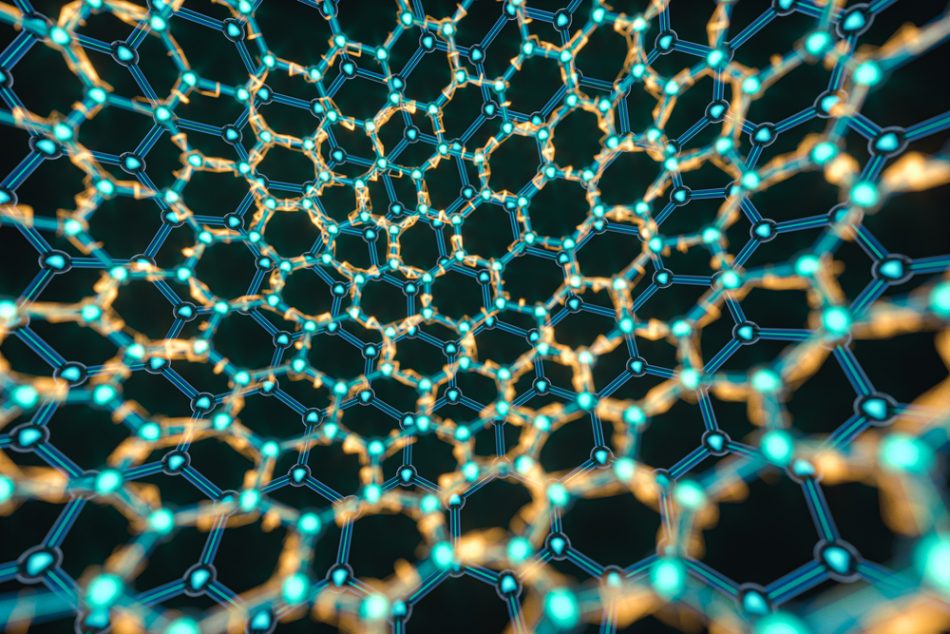
The group invented a new biomaterial in the form of an injectable hydrogel. The way it works is by acting like a porous scaffold, leaving room for cells to grow upon it and the individual’s own cells to repair the injured organ.
In a statement released from the university, Guangyu Bao, a Ph.D. candidate in the Department of Mechanical Engineering said, “People recovering from heart damage often face a long and tricky journey. Healing is challenging because of the constant movement tissues must withstand as the heartbeats. The same is true for vocal cords. Until now there was no injectable material strong enough for the job.”
Material vs. machine
During the research process, the team, led by professor Luc Mongeau and assistant professor Jianyu Li, tested their creative innovation against a biomechanical simulation. Recreating the action and movement of the human vocal cord was essential to ensure the hydrogel could hold up against the rigorous movements it carries out.
“We were incredibly excited to see it worked perfectly in our test. Before our work, no injectable hydrogels possessed both high porosity and toughness at the same time. To solve this issue, we introduced a pore-forming polymer to our formula,” stated Bao.
Wide ranging applications
The treatment, published in Advanced Science, could be the solution to save lives from heart failure, an extremely common cause of death worldwide. This hydrogel could also improve people’s quality of life, for example restoring the voice of survivors of laryngeal cancer with damaged vocal cords.
The applications don’t stop there. There is immense potential for using this novel material in creating model tissues for the laboratory. In many stages of medical research, animals or humans have to be used to test the safety and effectiveness of drugs. This new biomaterial has the potential to replace or reduce these steps. The team is already looking into possible uses of the technology to test Covid-19 drugs on synthetic lung structures.
The next step for this biomaterial is to test it out in a clinical setting.
Source study: Advanced Science – Injectable, Pore-Forming, Perfusable Double-Network Hydrogels Resilient to Extreme Biomechanical Stimulations