


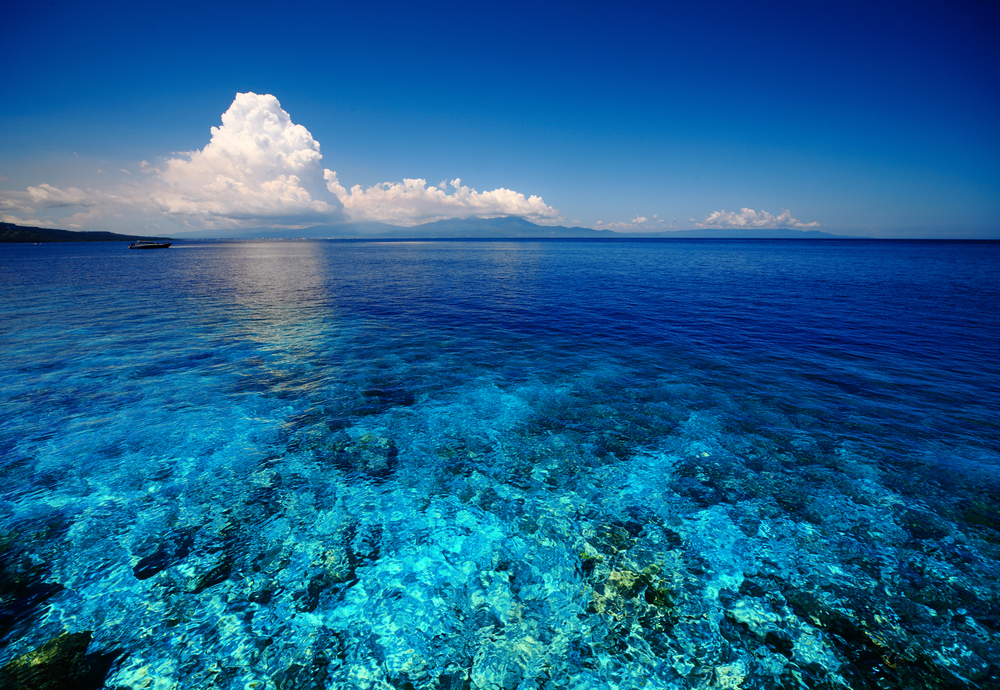
Coral reefs are some of the most important ecosystems on the planet. In addition to providing essential habitat for marine life, they also protect coastal areas from waves, storms, and floods, all while providing a key source of income for hundreds of communities around the world.
With that said, our oceans have lost half of their coral reefs since 1950, and scientists estimate that 90 percent of these lush underwater structures are likely to disappear by mid-century.
An NGO called Sea Women of Melanesia wants to prevent that from happening by providing Indigenous women with the knowledge and tools necessary to protect coral reefs from the threat of climate change.
“The Sea Women of Melanesia is a team of women from Melanesia, who are passionate about marine conservation and who are willing to go back to their community to set up marine reserves, ” says team leader Naomi Longa.
For more than five years, the NGO has been working together with communities on marine conservation in the Solomon Islands and in Papua New Guinea, reports euronews. Its efforts have attracted the attention of the United Nations Environmental Programme, which awarded the organization the Champions of the Earth prize in the Inspiration and Action category.
Combining Indigenous knowledge with marine conservation
“In those communities that we target, the only source of livelihood is the sea,” says Evangelista Apelis, director of Sea Women of Melanesia, which has more than 40 members today and protects 43 marine areas.
As part of the NGO’s training, local women learn essential skills such as snorkeling and underwater photography, while also taking classes in marine science. Equipped with this knowledge, the women then go on to help monitor the health of coral reefs in protected marine areas and assess the effects of coral bleaching on underwater life.
On the other side of the coin, the Indigenous communities also have their knowledge and skills to share which, together with the science, helps protect endangered coral reefs. “Most of the women have no background in science, they have their local way of dealing with conservation, ” says Apelis. “They take ownership of the sea. So we just go in, and we learn from them, and also impart the scientific knowledge to them.”
Why are Indigenous women being trained?
While the NGO doesn’t exclude men from the training program if they wish to join, the organizers strongly believe that involving local women can have much greater benefits for conservation work.
“When you train a woman, you train a society, ” says Apelis. “We believe and we’ve actually seen results showing that women tend to be more accountable, they tend to produce results. Also, they tend to bring their kids.
“So that’s the kind of approach that we take in order to involve the community as a whole. And it also gives women a platform to exercise their leadership roles.”






