


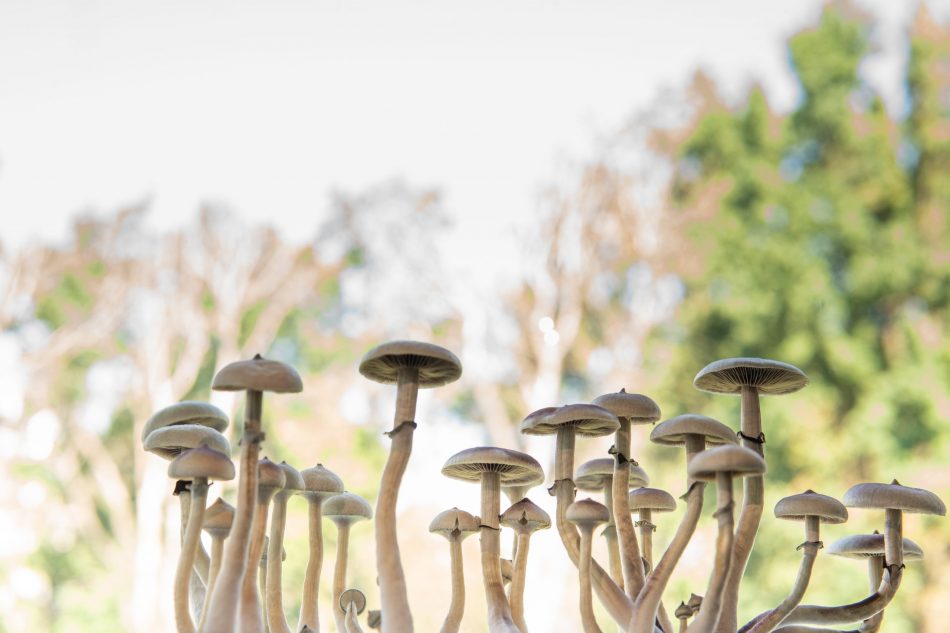
Mushrooms are “magic” in more ways than one. They improve long term brain health, they can break down plastic waste, and they afford incredible neural communication between forest plant systems. Another benefit of mushrooms, with a growing body of research, is how certain types can help fight depression.
Researchers have made a major discovery in the therapeutic nature of psilocybin, the hallucinogenic compound found in “magic mushrooms.”
Limbering up our brains
We’ve written before on how psilocybin can help fight depression by repairing and strengthening neural links. New research from the Imperial Centre for Psychedelic Research, at Imperial College London, shows psilocybin working in a combination of neurology and psychology to fight depression. Basically, it affects the software and the hardware of the brain.
Research shows that psilocybin makes the brain more flexible, with participating patients showing increased and continued neural connectivity for weeks after psilocybin-assisted therapy. The control groups without psilocybin did not show the same improved connectivity.
People suffering from depression can often find themselves repeating the same negative thought patterns over and over, getting stuck in a mental rut. Psilocybin-assisted therapy can help limber up the brain so that patients can approach issues with new, positive thoughts and perspectives.
An alternative to antidepressants
“These findings are important because for the first time we find that psilocybin works differently from conventional antidepressants, making the brain more flexible and fluid, and less entrenched in the negative thinking patterns associated with depression,” said Prof David Nutt, the head of the Imperial Centre for Psychedelic Research, to The Guardian.
“This supports our initial predictions and confirms psilocybin could be a real alternative approach to depression treatments.”
Mushrooms and all things mycelia are much more than a fungus. They facilitate connectivity between different parts of our brains, between plants, and between themselves. Check out this article on the communication between mushrooms.






