


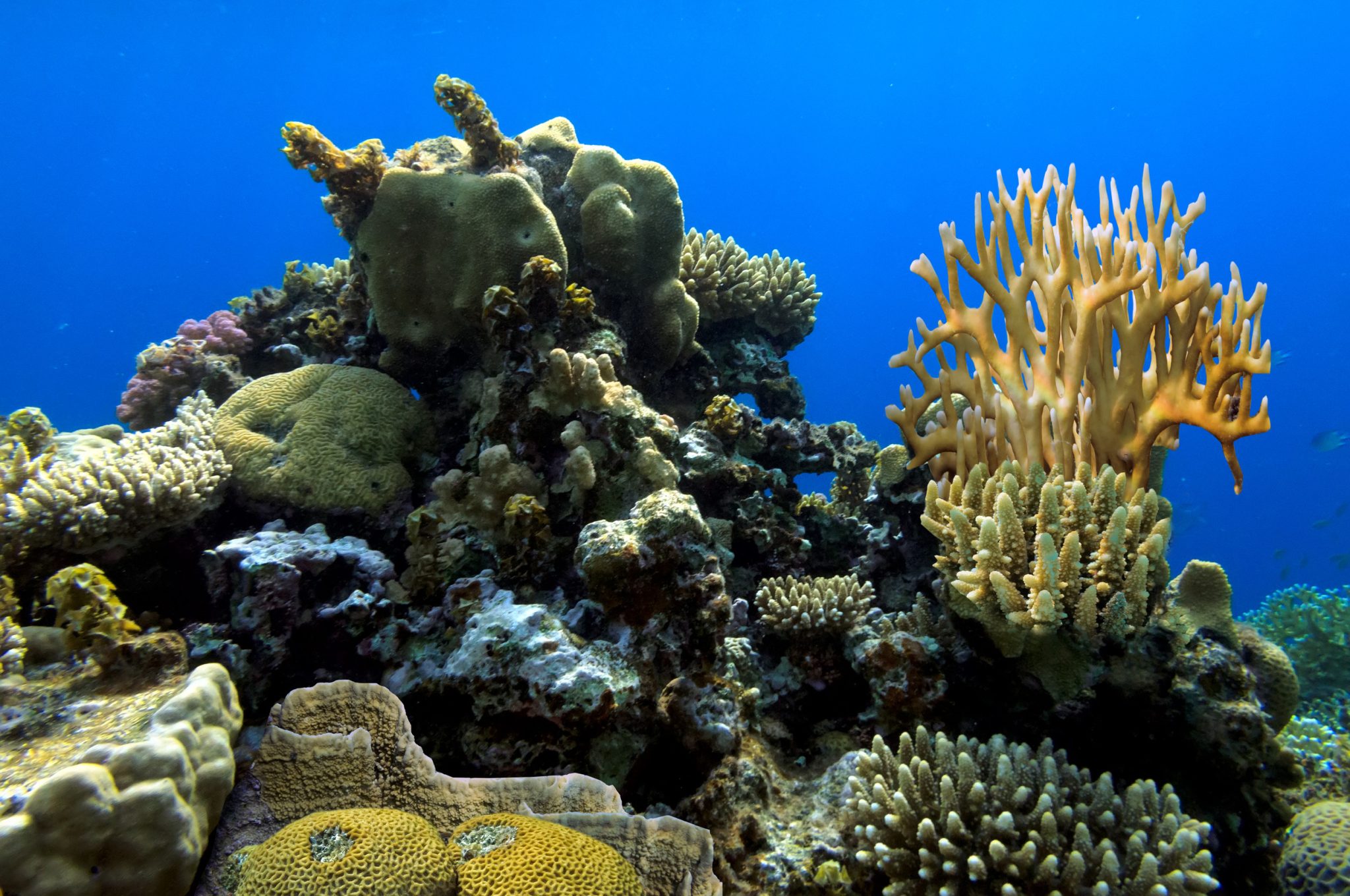
Coral reefs are essential to ocean ecosystems, providing food and homes to all sorts of organisms. Learning as much as possible about these living creatures is important to protect all the life in the vast seas.
A team from the University of Exeter is doing just that, creating an algorithm to track the health of coral reefs by understanding their “song.” The complex collective soundscapes of coral reefs come from the numerous fish and other creatures that surround them. However, it has been previously difficult to capture due to the painstaking analysis of sound records it requires.
Using multiple recordings from the Mars Coral Reef Restoration Project – which restores heavily damaged coral reefs in Indonesia – the innovative AI program was trained to recognize the difference between healthy and degraded reefs.
“Coral reefs are facing multiple threats including climate change, so monitoring their health and the success of conservation projects is vital,” said lead author Ben Williams. “One major difficulty is that visual and acoustic surveys of reefs usually rely on labor-intensive methods.”
“Our approach to that problem was to use machine learning – to see whether a computer could learn the song of the reef. Our findings show that a computer can pick up patterns that are undetectable to the human ear. It can tell us faster, and more accurately, how the reef is doing,” adds Williams.
This novel method allowed the health of coral reefs to be successfully identified 92 percent faster than previous attempts, majorly improving coral reef health monitoring, plus, improving the speed and ease of conservation.
“This is a really exciting development. Sound recorders and AI could be used around the world to monitor the health of reefs, and discover whether attempts to protect and restore them are working,” said co-author Dr Tim Lamont. “In many cases, it’s easier and cheaper to deploy an underwater hydrophone on a reef and leave it there than to have expert divers visiting the reef repeatedly to survey it – especially in remote locations.”
Source study: Ecological Indicators – Enhancing automated analysis of marine soundscapes using machine learning to combine ecoacoustic indices






