


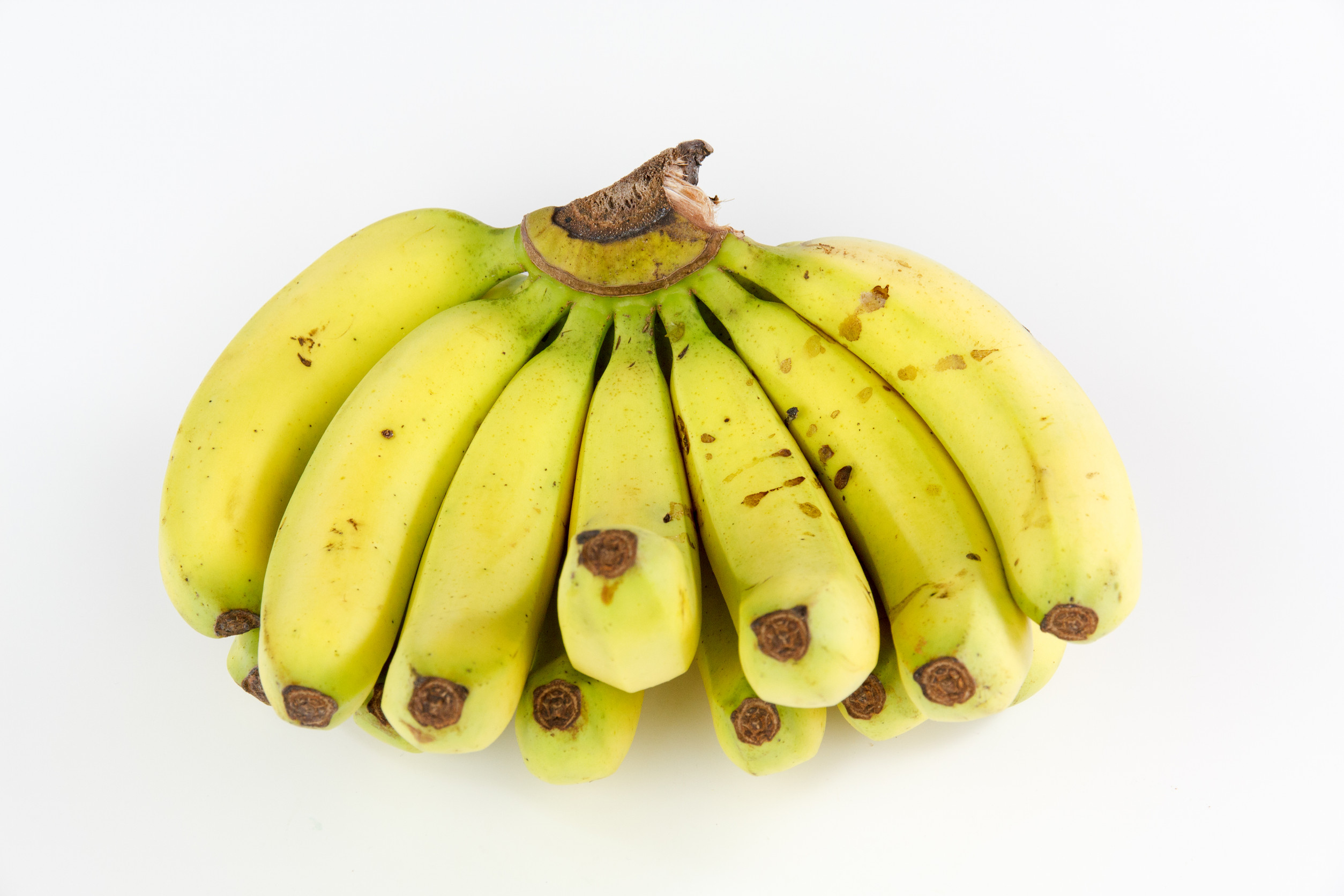
A new longitudinal study spanning almost two decades has produced some intriguing results regarding resistant starch. What you ask, is ‘resistant starch’? It is a digestion-resistant molecule present in many everyday foods like oats, peas, beans, and slightly underripe bananas. And, it may be a natural preventative against a range of hereditary cancers.
Researchers at Newcastle University and the University of Leeds began the study, which followed almost 1,000 patients with Lynch Syndrome, in 1999. Lynch Syndrome is a hereditary genetic condition that increases an individual’s risk of several types of cancer.
The study
The researchers divided the participants into two groups. One group was given a placebo pill, and the other a pill containing the approximate amount of resistant starch that is found in an average-sized underripe banana.
At the end of a short treatment period, no notable difference was found in the health of those who took the resistant starch pill. However, the researchers discovered that those who took the daily starch pill were significantly more likely to be cancer-free after a period of almost 20 years.
“We found that resistant starch reduces a range of cancers by over 60 percent, the effect was most obvious in the upper part of the gut,” says John Mathers, professor of Human Nutrition at Newcastle University. “This is important as cancers of the upper GI tract are difficult to diagnose and often are not caught early on.”
What is it about resistant starch?
While further research is needed, scientists believe that the reason resistant starch has such an incredible effect is in its name: its capacity to resist.
Resistant starch specifically resists acidic digestive bile, and as a result, it settles and ferments in the large intestine. Gut-supporting bacteria can then feed on the resistant starch as it sits in the large intestine. According to Mathers, this acts “like a dietary fiber in your digestive system.”
The researchers’ theory is that happy, well-fed ‘good’ bacteria change the bacterial metabolism of the bile acids, and this keeps them from damaging DNA.
These incredibly promising results will spur more research that will hopefully unravel the mystery of resistant starch’s ability to fend off many cancers and produce effective preventative treatments for at-risk individuals. In the meantime, enjoy your green bananas!
Source study: Cancer Prevention Research—Cancer prevention with resistant starch in Lynch Syndrome patients in the CAPP2-randomized placebo-controlled trial: Planned 10-year follow-up






