


For years, concerns over the potential harm wind turbines might cause to birds have been an obstacle to the expansion of wind energy. However, studies using artificial intelligence (AI) have shown that such worries are unfounded. The study analyzed vast amounts of data collected from bird collisions with turbines, concluding that the number of fatalities is much lower than previously estimated. AI-powered systems are able to identify species, flight paths, and flight heights, revealing that only a few bird species, such as eagles, are particularly vulnerable. These findings could help pave the way for the widespread use of wind energy without compromising bird populations.
AI’s potential to accelerate the transition to renewable energy
The development of AI technology represents a significant step forward in the transition to renewable energy. By making it possible to analyze vast amounts of data, AI can reveal previously unknown insights that will aid in implementing green energy. By using AI-powered systems, renewable energy infrastructure projects can be planned and designed in ways that minimize environmental impacts, including harm to birds. The integration of AI into the renewable energy industry offers significant opportunities to advance the deployment of clean energy, helping to curb climate change and promote sustainable development.
A brighter future for both birds and humans
AI integration into renewable energy systems has positive implications for both bird populations and the human race. The low number of bird fatalities caused by wind turbines confirms that fears over potential harm to bird populations have been overstated. This discovery should put to rest any concerns that the wind energy industry has a negative impact on bird populations. With the green light given to wind energy expansion, more renewable energy will be generated, contributing to the fight against climate change. In addition, the integration of AI technology will promote more sustainable development, contributing to a brighter future for both birds and humans.
AI in action: The Frysland wind farm
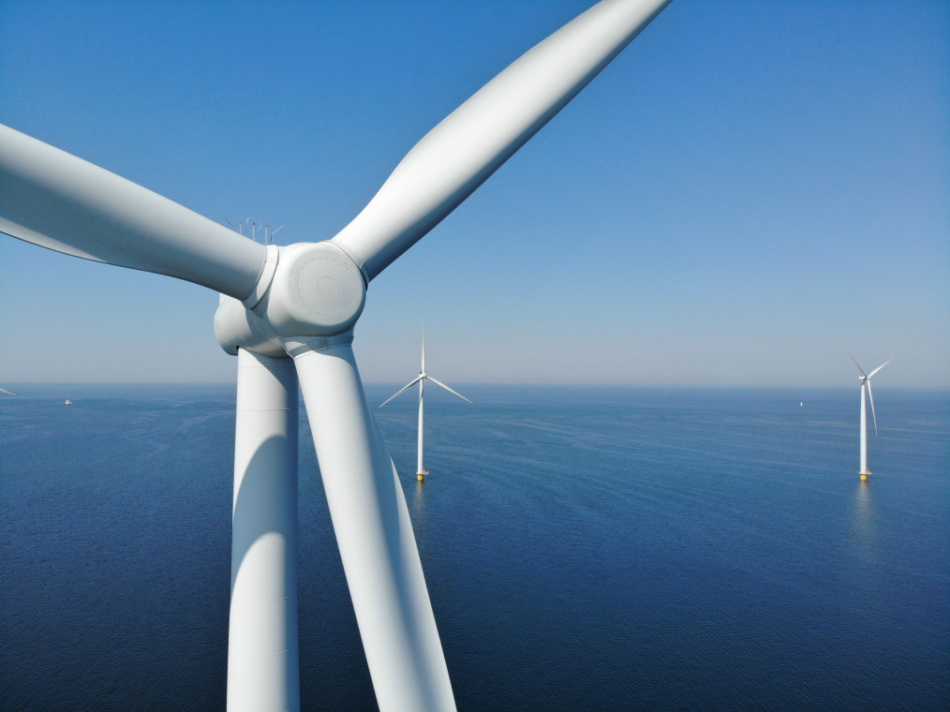
The Fryslan wind farm in the Netherlands is an array of 109-meter turbines located north of Amsterdam in the deep blue waters of Lake Ijssel. Its sustainability credentials are clear: it’s capable of powering 500,000 homes! However, what is less noticeable are the parts of its design that protect and safeguard the surrounding environment and ecosystem.
Fryslan, the world’s first nature-positive wind farm, includes a number of innovative measures to reduce bird collision risks, such as radar systems to monitor bird movements through the turbine array and even a number of man-made islands that offer breeding grounds for seabirds like the Common Tern.
For the Frysland development, Josephine Hansen, the commercial project manager from Siemens Gamesa says, “For five years, consultancy bureaus will closely monitor the birds, bats, fish, aquatic plants, and shellfish near the island and the wind farm.”
The Fryslan project exemplifies how early consideration of wildlife in the planning process may result in wind farms that benefit not only the environment but also local species. Fryslan is confronted with a basic challenge of large-scale renewable energy projects: how to generate sustainable electricity while preserving wildlife.
Fryslan is one of a new class of wind energy projects that claim to be able to meet both biodiversity and climate goals in one fell swoop.
AI technology has helped dispel long-standing concerns over the potential harm to birds caused by wind turbines. By providing valuable insights into bird populations, flight patterns, and vulnerabilities, AI has paved the way for the widespread use of wind energy. This development is an important step forward in transitioning to renewable energy and the fight against climate change.






