


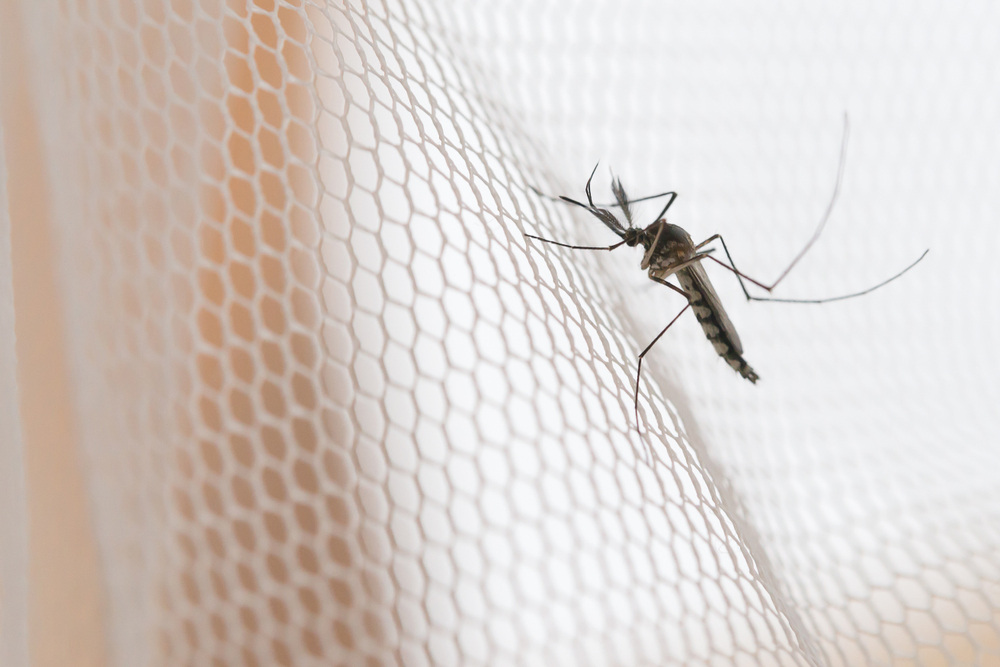
Malaria, a mosquito-borne disease, remains a substantial public health threat, particularly in endemic areas. However, recent trials have produced encouraging results, implying that new forms of mosquito bed nets could play an important role in reducing malaria infections and saving lives.
The malaria challenge: finding solutions amidst rising resistance
With over 600,000 fatalities and 249 million infections reported in 2022, malaria remains a major worldwide health concern, particularly in Africa, where over 90 percent of cases occur. Traditional preventative approaches, such as bed nets sprayed with pyrethroid pesticide, have long been successful. However, mosquito resistance to pyrethroids has created a considerable barrier to malaria control efforts.
Trial success: new nets cut malaria cases in half
In response to this problem, researchers tested bed nets that had been treated with two additional pesticides in addition to pyrethroid. The results were astounding, with malaria transmissions dropping by between 20 and 50 percent. Michael Charles, CEO of the RBM Partnership to End Malaria, underlines the importance of this achievement, saying, “The dual-insecticide nets are a shining example of one of these tools.”
A multifaceted approach: investing in a range of tools
Malaria demands a complex strategy involving a variety of therapies. While bed nets are an important part of prevention, they are only one component of a larger strategy. Countries may improve their malaria control programs and minimize the disease’s burden by investing in a range of instruments such as insecticide-treated nets, indoor residual spraying, and quick treatment with appropriate drugs.
Rapid rollout: increasing the impact of dual-insecticide nets
The trial’s success has cleared the way for a speedy rollout and widespread adoption of the new mosquito bed nets. The Global Fund to Fight Aids, Tuberculosis, and Malaria, in conjunction with Unitaid, has led efforts to supply dual-insecticide nets to 17 African countries. The demand for these nets has exceeded expectations, indicating a big step forward in malaria control efforts.
Affordable solutions: saving lives without breaking the bank
Despite their efficiency, the new mosquito bed nets are still affordable, with the Global Fund providing them for under $3. This cost is comparable to that of older goods, making the switch to dual-insecticide nets financially possible in malaria-endemic areas. Furthermore, by implementing these revolutionary nets, countries can save millions of dollars in healthcare costs related to treating malaria infections.
In addition to breakthroughs in prevention, attempts to combat malaria include the introduction of the RTS,S vaccine in some African nations. With Cameroon leading the way in vaccine distribution and other countries expected to follow suit, there is renewed hope for eliminating malaria on the continent.






