


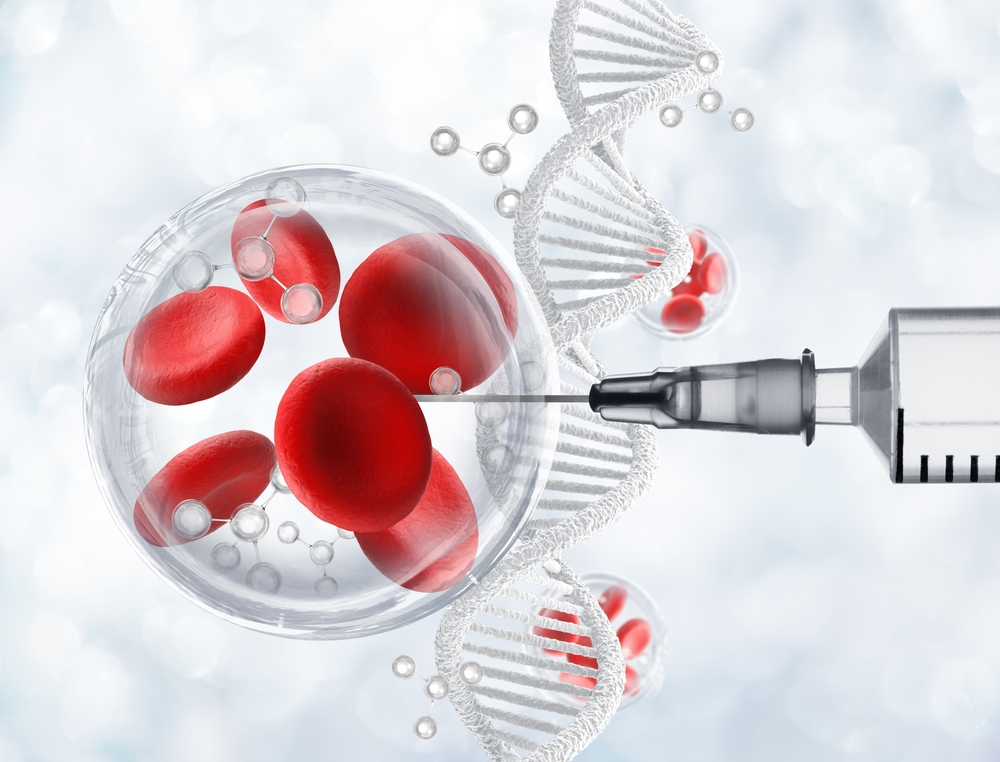
In the domain of medical discoveries, a surprising innovation is poised to transform the landscape of treatment for excessive bleeding: synthetic blood platelets. These artificial equivalents, created via rigorous study and innovation, provide a look into the future of medical care by addressing the ongoing issue of platelet shortage and delivering a lifeline to patients in desperate need.
What exactly are platelets and what do they do?
Before getting into the complexity of artificial platelets, it’s important to understand the fundamental role of natural platelets in the human body. These microscopic cell fragments, which circulate in the bloodstream, play an important role in blood clotting—a procedure necessary for preventing excessive bleeding and promoting wound healing. Ashley Brown, an associate professor in the joint biomedical engineering department at North Carolina State University and the University of North Carolina at Chapel Hill, emphasizes that “natural platelets are indispensable for maintaining hemostasis.”
The challenge of platelet shortage: an opportunity for innovation
Despite their crucial necessity, platelets pose substantial logistical challenges in medical care due to their limited shelf life. “Even if you have a ton of donations, you can’t bank them for long,” says Brown. This dilemma highlights the critical need for novel ways to alleviate platelet shortages and provide timely access to life-saving treatments.
The creation of synthetic platelets: a triumph in biomedical engineering
To address the serious issue of platelet scarcity, Brown and her team have embarked on a groundbreaking biomedical engineering journey. “We set out to create synthetic platelets capable of mimicking the essential functions of their natural counterparts,” Brown explains. Brown’s team is building the groundwork for a new era in transfusion medicine by combining cutting-edge technologies with interdisciplinary teamwork.
Unraveling the science of synthetic platelets
At the heart of synthetic platelet technology is a sophisticated combination of materials science, nanotechnology, and biocompatibility. The researchers used hydrogels to create nanoparticles that are nearly identical in size, dynamics, and shape to natural platelets. These synthetic counterparts are adaptable platforms for tailored therapeutic interventions, representing a viable solution to platelet shortages.
Fibrin: a critical binding mechanism
The capacity of synthetic platelets to connect with fibrin, a major protein involved in clotting, is critical to their function. “Our synthetic platelets are designed to bind to fibrin molecules, facilitating clot formation at the site of injury,” Brown explains. This focused strategy has enormous potential to improve hemostasis and promote speedy wound healing.
Testing and validation: from the lab to the clinic
Brown and her team of researchers have proved the usefulness and safety of synthetic platelets in controlling bleeding and expediting wound closure using rigorous preclinical testing in animal models. “We achieved comparable outcomes to natural platelets,” says Brown, “paving the way for further clinical translation.” As research progresses, synthetic platelets hold the promise of transforming the landscape of transfusion medicine and improving patient outcomes.
Charting the future of synthetic platelets: clinical implementation
As synthetic platelets progress from lab to bedside, their potential to transform medical care becomes clearer. With continued study and advancement, these artificial equivalents hold promise for resolving severe bleeding scenarios, improving patient care, and ushering in a new era of precision medicine. As the journey continues, synthetic platelets have the potential to push the boundaries of medical knowledge and improve the lives of patients all around the world.
Source study: Science Translational Medicine—Ultrasoft platelet-like particles stop bleeding in rodent and porcine models of trauma






