


BY THE OPTIMIST DAILY EDITORIAL TEAM
A recent study from Uppsala University in Sweden discovered that playing the popular video game Tetris can drastically lessen flashbacks for people suffering from post-traumatic stress disorder (PTSD). This innovation could provide new hope to millions of individuals worldwide suffering from the ailment, including military veterans and frontline healthcare workers.
While this approach may appear unorthodox, it has been investigated since 2009, when Professor Emily Holmes began researching if Tetris could be used as an early intervention tool for trauma. Holmes, who is now a professor at Uppsala University, led preliminary research to see whether the game could diminish the severity of unpleasant memories.
A novel approach to PTSD
In Holmes’ early research, participants watched a frightening film before playing Tetris. Those who played the game reported fewer flashbacks than those who did not. However, this initial study only included 40 people in a controlled setting, limiting its general applicability.
Fast forward to the COVID-19 pandemic, and Holmes’ team expanded the research. Between September 2020 and April 2022, they investigated 164 healthcare personnel in Sweden who had been exposed to trauma while treating COVID-19 patients. The findings were astounding: individuals in the gaming group, who played Tetris for 20 minutes, reported much fewer flashbacks than those who listened to the radio.
At a five-week follow-up, healthcare workers who played Tetris reported an average of one flashback per week, compared to five in the control group. Six months later, the gaming group continued to have half as many flashbacks as the control group.
How does it work?
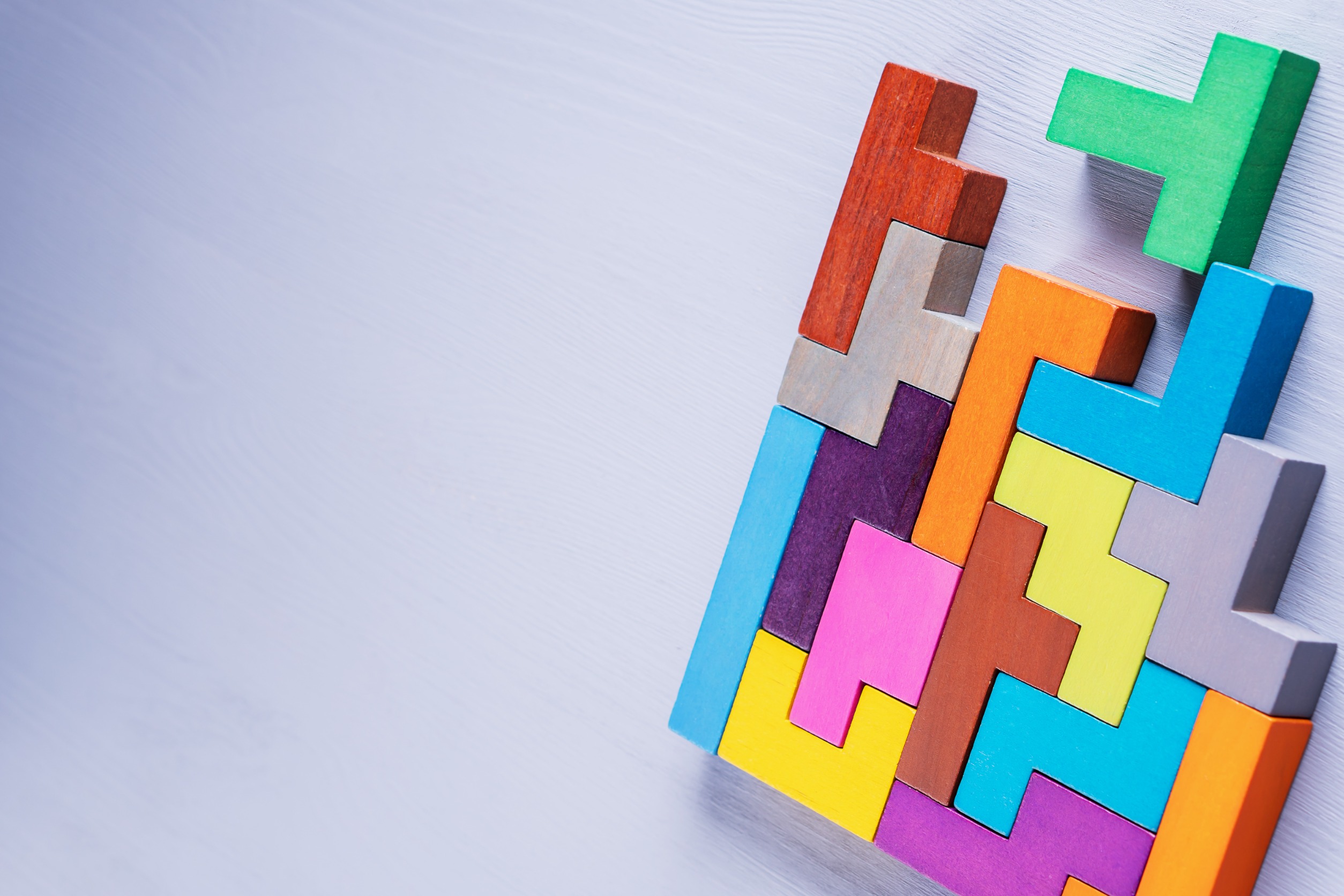
Tetris isn’t only an addicting game; it necessitates a cognitive process known as “mental rotation.” To clear rows, players must rotate and place blocks, which engages the spatial reasoning section of the brain. Researchers assume that this visual task competes for the same cognitive resources as intrusive memories or flashbacks.
Dr. Holmes claims that Tetris can “disrupt dysfunctional mental imagery (e.g., intrusive memories of adverse events)” by activating the brain’s visuospatial memory. According to the notion, when the brain is busy cognitively rotating Tetris blocks, it has fewer resources available to generate vivid, emotionally intense flashbacks.
This latest study goes even further, demonstrating that a brief, 20-minute game of Tetris can minimize the recurrence of flashbacks for extended periods.
A potential tool for PTSD management
Tetris‘ simplicity and accessibility make it a promising potential aid for controlling PTSD. The game is free to play online, takes minimal time, and can be provided following a stressful experience with a single guided session. Holmes hopes that this strategy can even serve as a “cognitive vaccine,” preventing the emergence of PTSD symptoms.
“My vision is that one day we will be able to provide a tool for people such as healthcare professionals after traumatic events to help prevent and treat early PTSD symptoms,” Holmes stated.
The future of PTSD treatment
While additional research is required, the findings of this study are encouraging. Tetris, a game that many people connect with casual entertainment, could play an important role in helping people manage and decrease the impact of traumatic experiences. This strategy is accessible and provides a realistic, cost-effective solution for PTSD treatment.
As Holmes’ work gains traction, it paves the way for more investigation into how simple, engaging tasks might enhance mental health outcomes. Tetris could be an important part of a PTSD recovery toolset.
Source study: BMC Medicine— A guided single session intervention to reduce intrusive memories of work-related trauma: a randomized controlled trial with healthcare workers in the COVID-19 pandemic






