BY THE OPTIMIST DAILY EDITORIAL TEAM
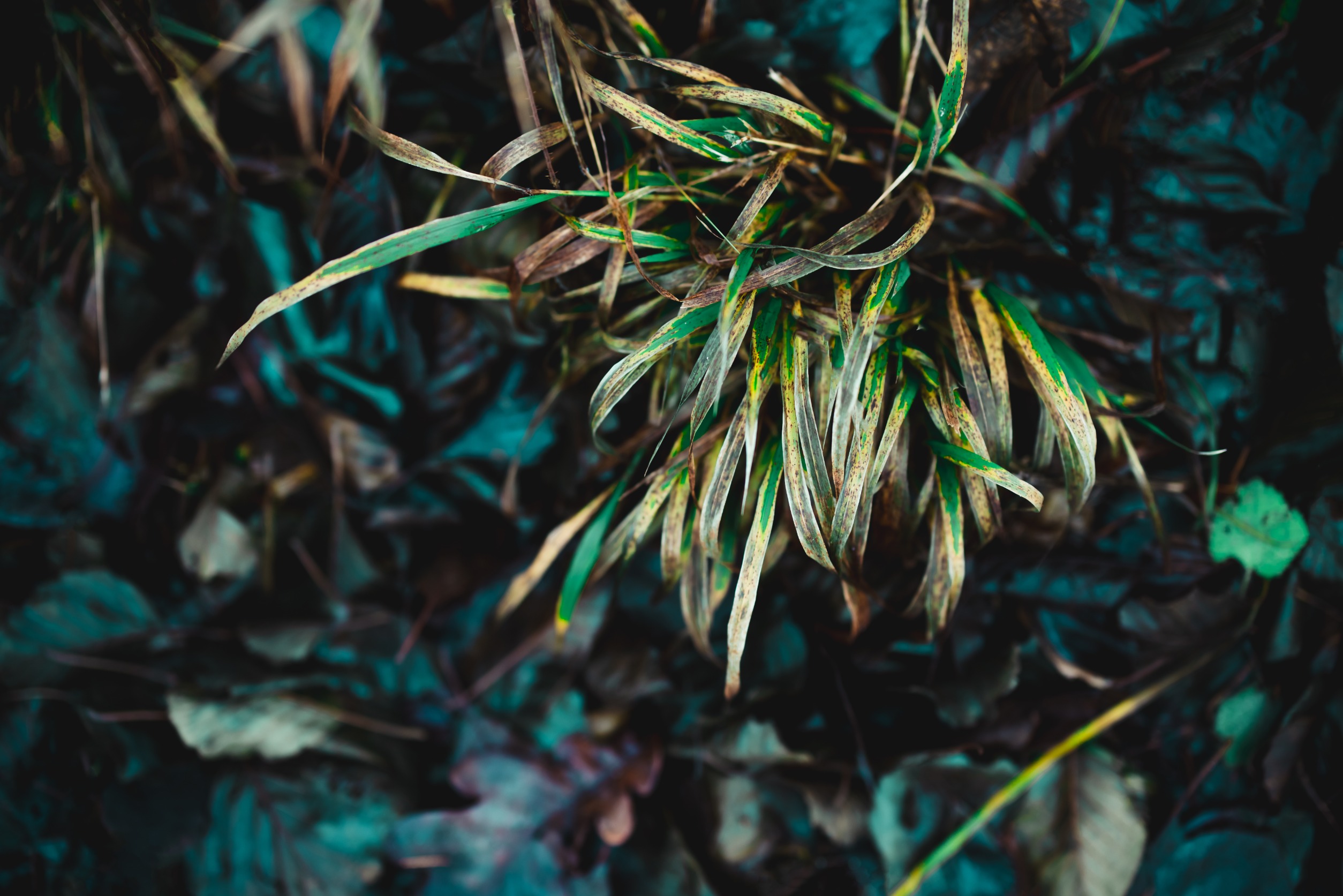
Botanists have uncovered 33 global ‘dark spots‘ rich in unknown plant species, which could include over 100,000 species, just waiting to be discovered. These regions, which include Asia, Africa, and South America, overlap with biodiversity “hotspots” but have been missed in previous studies. The Royal Botanic Gardens at Kew is leading the study to speed plant identification and improve conservation efforts. Prof. Alexandre Antonelli, director of science at Kew and senior author of the paper, emphasizes the need to document species before they become extinct.
Mapping the unknown
The study focuses on places like Madagascar, Sumatra, and the eastern Himalayas, among others. These biodiversity-rich places are also at risk from habitat degradation and climate change. “Previous research has shown that biologists haven’t been particularly efficient in documenting biodiversity,” says Antonelli. He underlines the importance of prioritizing overlooked and understudied locations in order to safeguard them before it is too late.
The significance of plant discoveries
Discovering new plant species is not only a scientific endeavor; it also has the potential for future advancements in medicine, fuel, and other industries. Dr. Samuel Pironon, co-author of the study, emphasizes, “How do we preserve and restore biodiversity if we don’t know what species we’re talking about?” These plants have the potential to provide solutions to climate resiliency and other global concerns, but their unclear status puts them at risk.
Call for action: citizen science and collaboration
While governments have vowed to safeguard biodiversity, the researchers advocate for collaboration between international organizations and local communities to speed up species identification. Platforms like iNaturalist, which allows users to post plant images, are bridging the gap by connecting people with scientists. Pironon, on the other hand, advises against taking plant samples due to international biodiversity rules, instead advocating for non-invasive approaches such as taking photos to catalog rare plants.
Looking ahead
With the upcoming Cop16 biodiversity summit in Cali, Colombia, the need to ramp up efforts in conserving plant life is more pressing than ever. The 2022 agreements set lofty goals for stopping biodiversity loss, but as Antonelli points out, we need more information to determine which regions require protection.