


BY THE OPTIMIST DAILY EDITORIAL TEAM
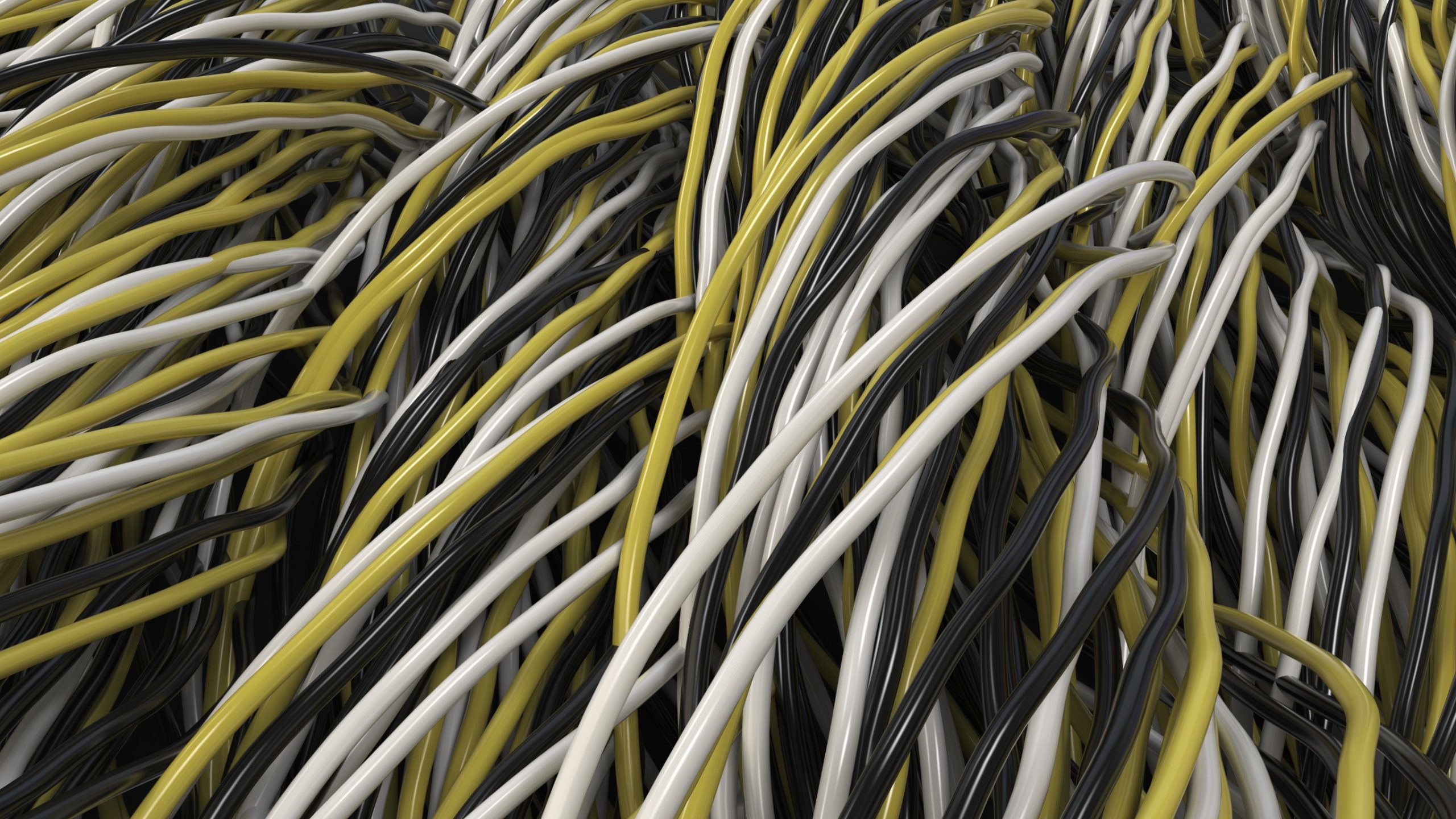
UK households are sitting on a hidden treasure: millions of unused cables that may help meet the soaring worldwide demand for copper. According to the Recycle Your Electricals initiative, there are over 627 million unused cables in UK households, totaling over 38,000 tonnes of copper worth around £266 million ($347.6 million). This underutilized resource could play an important role in meeting the demand for copper used to power green technology such as wind turbines and solar panels.
“These old electricals we’re sitting on, almost 40,000 tonnes of it, could feed the copper demands of the tech and appliance sector,” said Scott Butler, executive director of Recycle Your Electricals.
The Great Cable Challenge: reducing e-waste
In response to the increased need for copper in renewable energy projects such as wind turbines and solar electricity, the Recycle Your Electricals campaign has created The Great Cable Challenge. This program invites UK homeowners to recycle one million unneeded cables in honor of International E-Waste Day, which is recognized every 14th of October. According to the campaign, the UK alone has 627 million obsolete cables that could extend to the moon and back, containing more than 3,200 tonnes of copper.
Recycling unused cables can help alleviate the “copper crunch” by lowering the need to mine new copper, which can have serious environmental consequences. “Leaning into that ‘drawer of doom’ and recycling can make a big contribution to that greener economy we’re aiming for,” Butler added.
The future of copper and green technology
Copper is critical to the development of green technologies. According to the Royal Society of Chemistry, around 350,000 tonnes of copper will be required by 2030 to manufacture wind turbines and solar panels in the United Kingdom alone. This has raised concerns about a possible copper supply deficit. “We are facing imminent and substantial supply concerns where we won’t be able to meet the global demand,” said Izzi Monk, policy adviser at the Royal Society of Chemistry.
To counter this, the UK government is being encouraged to expand its investment in recycling facilities. By tapping into secondary copper sources via recycling, the country can minimize its reliance on environmentally destructive mining activities. “If we can crack the formula for recycling the copper we already have, we can make a real difference for the future of our planet,” Monk said.
Recycling old cables and other unneeded electronics can greatly contribute to fulfilling the increased demand for copper while also encouraging the development of sustainable technology. The Great Cable Challenge is a critical step in reducing e-waste and establishing a more sustainable, resource-efficient economy.






