BY THE OPTIMIST DAILY EDITORIAL TEAM
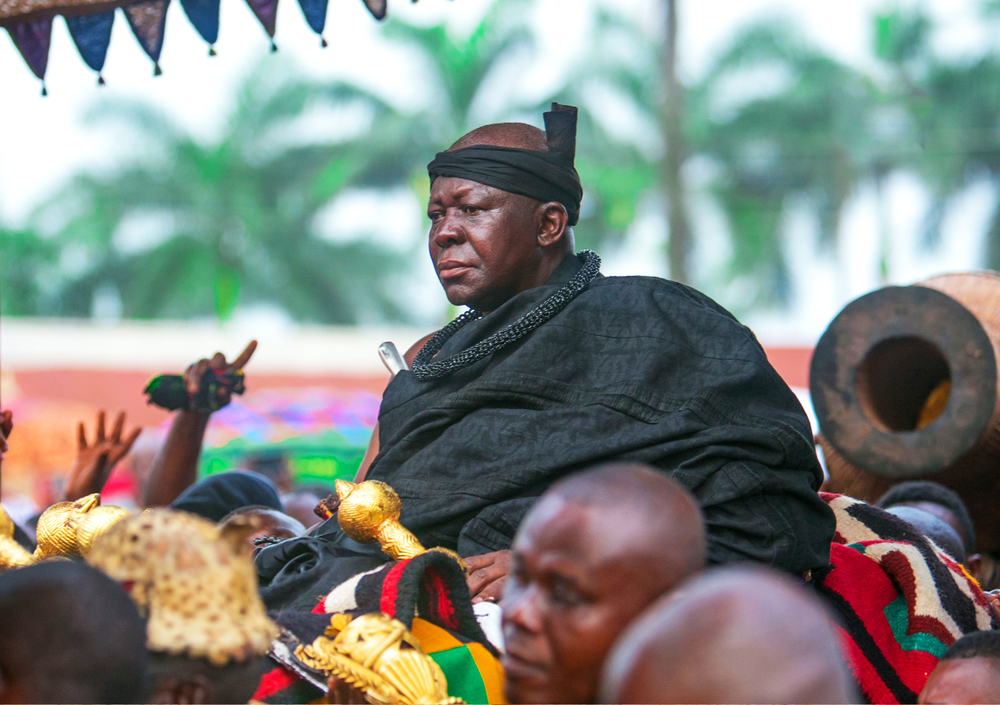
In a historic event, the Asante kingdom of Ghana welcomed the return of seven royal treasures seized by British colonial forces 150 years ago and kept at the Fowler Museum at the University of California, Los Angeles since the 1960s. This is a significant development in the ongoing global campaign to return stolen treasures to their nations of origin.
A symbolic reckoning
The items, which included an elephant tail whisk, an ornamental chair, two gold stool ornaments, a gold necklace, and two bracelets, were part of the Asante kingdom’s cultural heritage. Otumfuo Osei Tutu, the ruler of the Asante kingdom, addressed historical injustice by saying, “We are here because the white man came into Asanteman to loot and destroy it.”
Decades of resistance, and a turning tide
The artifacts were removed from British-colonized Ghana in the nineteenth century and are now housed in the Fowler Museum. The return follows years of opposition from Western governments and museums. Kwasi Ampene, a negotiator in the process, stressed the importance, saying that repatriation “signifies the return of our souls.”
150th-anniversary commemoration
The royal items were officially handed over to the Asante kingdom on the 150th anniversary of the British colonial forces’ sacking of Asante in 1874. During the siege, four objects were seized, three of which were part of the Asante kingdom’s indemnity payment to the British.
Unconditional return and ethical responsibility
All seven relics are returned unconditionally and forever, however copies are permitted. Silvia Forni, director of the Fowler Museum, emphasized the changing role of museums, saying, “We are globally shifting away from the idea of museums as unquestionable repositories of art to the idea of museums as custodians with ethical responsibility.”
Returning these objects to the Asante people is more than a symbolic gesture; it is a dream come true. Samuel Opoku Acheampong, a staff member of the Asante palace, expressed the deep-rooted connection, saying, “Our forefathers and our fathers told us about the artifacts, and ever since, as a kid, I had the vision that one day we shall have all these artifacts back to our Asante nation.”
A call for comprehensive repatriation
While this recovery is a win, activists contend that hundreds more items are still awaiting return. The Asante kingdom’s achievement establishes a precedent for other African nations striving to reclaim their cultural legacy and also calls on Western institutions to confront historical injustices.
In today’s “Best Of” roundup, we honor the transformative ideas in Education that shaped 2024. From reimagining learning spaces to empowering educators and students, these stories offer a blueprint for a brighter, more inclusive future.