


BY THE OPTIMIST DAILY EDITORIAL TEAM
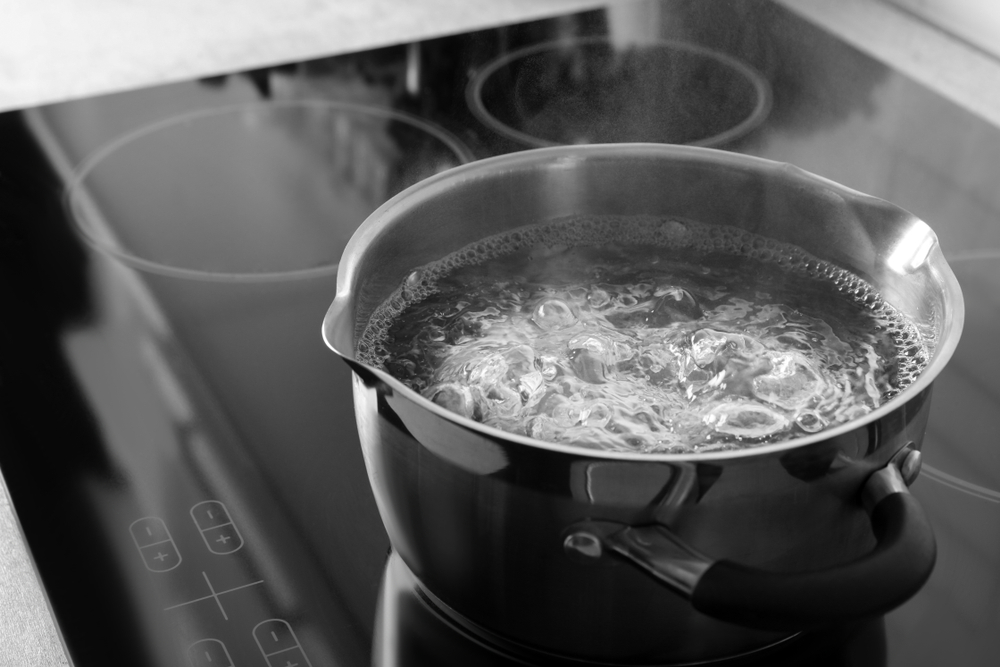
On February 28, scientists released a revolutionary study in Environmental Science and Technology Letters that investigated the effectiveness of boiling tap water in eliminating microplastics. What about the discovery? Boiling water for five minutes could result in a 90 percent decrease in these potentially hazardous microplastics.
The microplastic menace in tap water
According to the National Oceanic and Atmospheric Administration (NOAA), microplastics are tiny plastic particles measuring less than 0.2 inches. These particles have contaminated tap water, endangering human health, and are widespread in the oceans, environment, bottled water, and even human excrement. Their impact on health is still being studied and debated.
The health impact: what we do and do not know
Despite their prevalence, the World Health Organization noted a lack of definitive research on how microplastics influence human health. While certain plastics are thought to be innocuous, others, such as polystyrene, have been shown to cause cell damage, intestinal inflammation, and lower fertility in mice.
Boiling water meets scientific scrutiny
The study sought to evaluate the age-old practice of boiling water, which is common in various Asian nations, and its potential for removing nano/microplastics (NMPs) from tap water. The researchers investigated if this traditional method could offer a viable answer to the microplastic problem.
A dive into the study: removing microplastics via boiling
The scientists tested the efficiency of boiling using tap water samples containing common minerals as well as three typical microplastic compounds—polystyrene, polyethylene, and polypropylene. After boiling the samples for five minutes and then cooling, a significant reduction in microplastics was detected. In harder water, calcium carbonate solidified at higher temperatures, trapping plastic particles, resulting in an astonishing 90 percent decrease.
The chemistry behind the solution: the role of hard water
“The calcium carbonate in hard water becomes solid at higher temperatures, trapping the plastic particles within,” explain the researchers. This discovery offers light on the chemistry that underpins boiling efficiency, explaining why this method is so powerful at reducing microplastics in water.
A two-step approach: boiling and filtering
The study offers a two-step strategy for efficiently addressing microplastics. Boiling the water gives an initial reduction, and when combined with a basic coffee filter to remove hardened calcium, it becomes a viable and practical approach for households. This combination method addresses potentially harmful particles and offers a simple yet effective remedy.
As concerns about microplastics in drinking water mount, this study reveals a simple, accessible, and cost-effective solution to address the problem. Boiling tap water for five minutes, followed by a simple filtering step, appears to be a potential alternative for households wishing to protect themselves from the harmful effects of microplastics.
Source study: Environmental Science and Technology Letters— Drinking boiled tap water reduces human intake of nano plastics and microplastics
Today’s “Best Of” roundup highlights the top Lifestyle solutions of 2024. From simple habits to transformative trends, these stories reflect how small changes can make life more balanced, joyful, and meaningful.






