BY THE OPTIMIST DAILY EDITORIAL TEAM
The Dutch city of Breda, with its cobblestone streets and centuries-old canals, has just added another charming distinction to its name: it is now the first National Park City in the European Union.
Designated in May by the National Park City Foundation, Breda joins London, Adelaide, and Chattanooga in a growing global movement that’s reimagining cities as places where people and nature can thrive together.
What it means to be a National Park City
Unlike traditional national parks, National Park Cities don’t need sweeping wilderness or remote landscapes. Instead, they must show a city-wide commitment to sustainability, biodiversity, and equitable access to green space.
For Breda, this recognition is the result of more than a decade of intentional transformation. The city has restored rivers, replaced concrete with plants, and invited residents to become stewards of their own blocks, parks, rooftops, and schoolyards.
“I absolutely loved exploring Breda and learning about all the things they are doing to make their city greener, healthier and wilder,” said Daniel Raven-Ellison, founder of the National Park City Foundation. From rivers reborn to tiny forests planted by schools, Breda’s landscape tells a story of quiet, continuous care.
A city shaped by nature
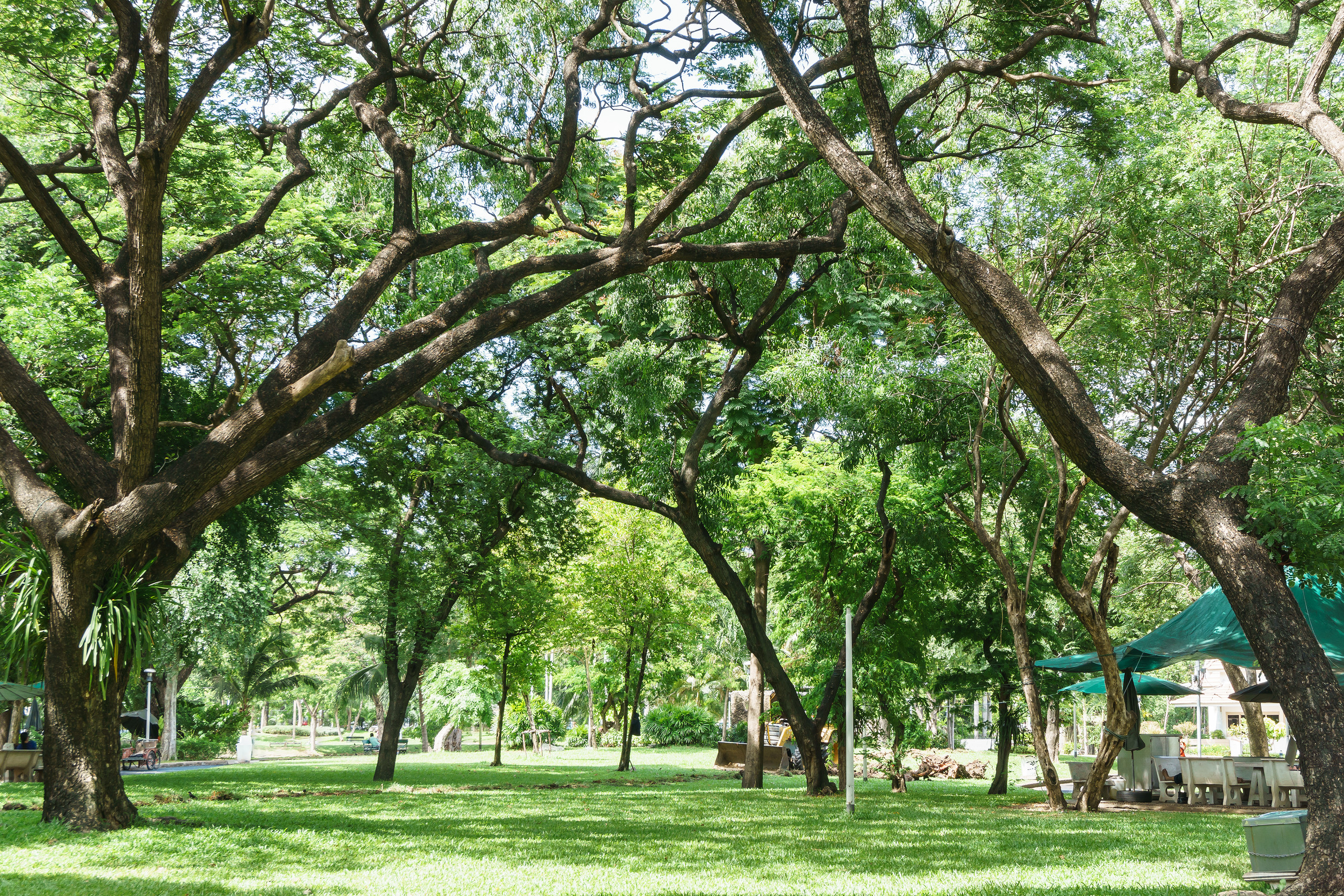
Today, about 60 percent of Breda is green space, an impressive achievement for a mid-sized urban area. Historic forests like Mastbos, one of the oldest in the Netherlands, sit alongside nature reserves, wetlands, urban gardens, and canal-side greenery.
This lush footprint isn’t just beautiful; it’s practical too. Breda has leaned into nature-based solutions to manage climate risks like flooding and extreme heat. Through thoughtful design and planning, the city has prioritized tree cover, cool shade, and natural water flow as everyday infrastructure.
And crucially, this wasn’t a top-down mandate. Residents helped lead the change.
Powered by people
The grassroots network Breda Stad in een Park (Breda City in a Park) played a central role in earning the city its new title. From rooftop gardens to green schoolyards, they’ve helped shape a culture where nature belongs in every neighborhood.
“This title is a recognition for the many residents, entrepreneurs and organisations who are committed to greening Breda,” said Joost Barendrecht, chair of the group. “It’s an incentive to make more [people] enthusiastic about getting started with greenery. It doesn’t always have to be big. A garden is a nice contribution.”
This gentle, neighborly approach is part of what makes Breda’s example so resonant.
A model for European cities
Across Europe, cities are waking up to the urgency of climate resilience and the well-being that green space can bring. From Paris’s car-free zones to Copenhagen’s flood-proofing projects, a shared vision is emerging: greener, fairer, cooler cities.
Nature in cities isn’t just nice to have. It’s vital. Access to greenery can lower heat-related health risks, reduce air pollution, improve mental well-being, and help communities adapt to the impacts of climate change.
“London and Breda are the first National Park Cities in Europe, but there’s no shortage of others that want and need to be greener, healthier, wilder, cooler and fairer,” says Raven-Ellison. “National Park Cities are helping to show the way, forming strong relationships and exchanging optimism, ideas, knowledge and energy.”
With Breda’s leadership, the EU now has a powerful, grounded example of how a city can grow wild and kind, not by accident, but by design.