


BY THE OPTIMIST DAILY EDITORIAL TEAM
Funerals are surprisingly polluting. A single burial emits around 833 kilograms of CO2, while a typical cremation releases about 400. Add in the environmental toll of concrete, steel, and embalming chemicals, and the traditional funeral industry starts to look alarmingly unsustainable.
A British startup, Resting Reef, is offering a striking alternative. Instead of resting underground or in an urn, human ashes could soon help revive the UK’s damaged seabeds.
“Cemeteries should be places that reconnect us with nature and remind us that we’re part of a larger ecosystem,” says co-founder Aura Murillo Pérez, who met her business partner, Louise Skajem, while studying at the Royal College of Art and Imperial College London.
Building reefs from memory
Resting Reef uses a water-based alkaline process called aquamation to cremate remains. The resulting ashes are mixed with crushed oyster shells and marine-safe concrete to create a substance that mimics natural reef materials.
“Oyster reefs can help regenerate marine growth but 85 percent have been lost due to human activities,” explains Murillo Pérez. “We are using animal and human ashes to mimic those natural reefs.”
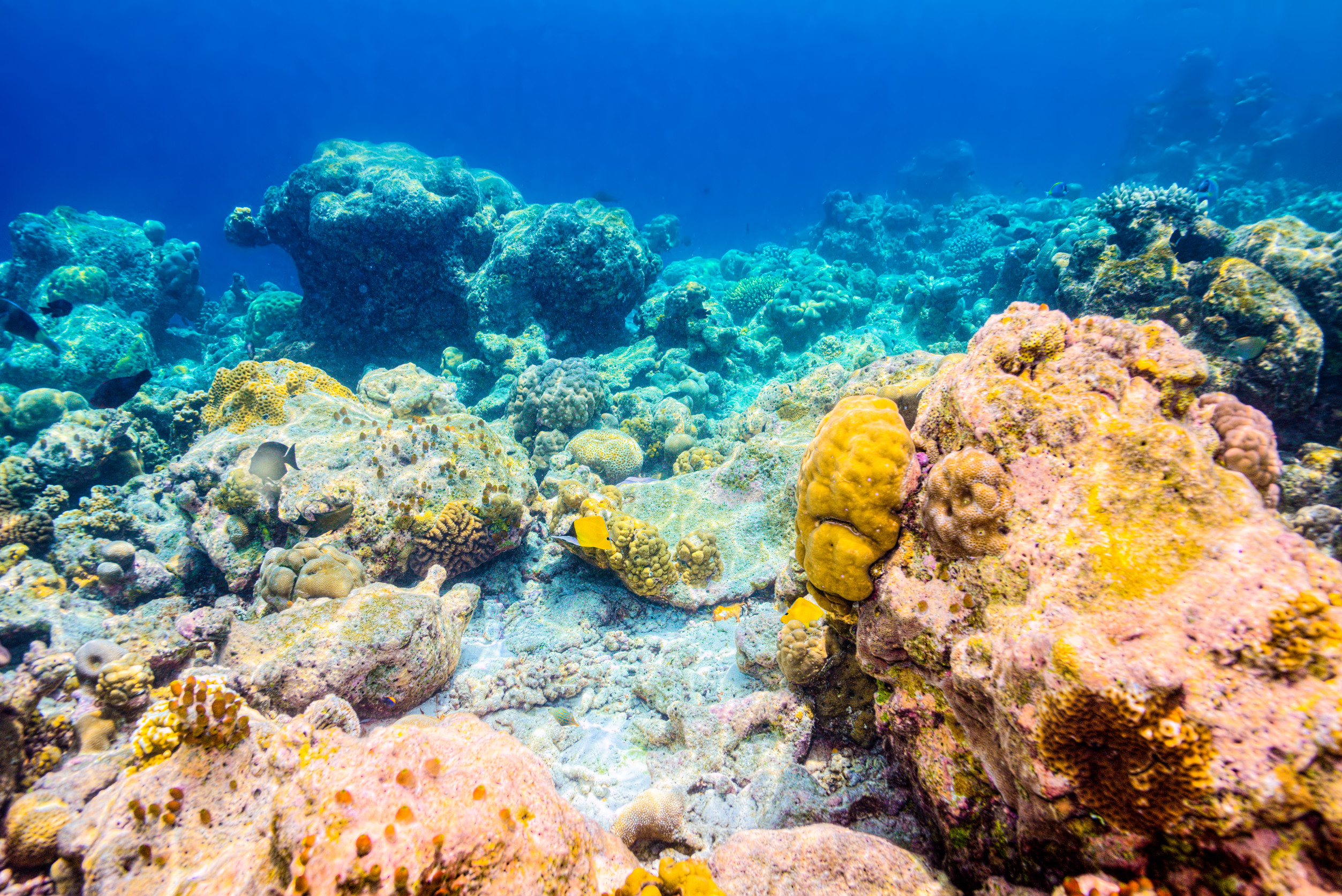
Each memorial reef is molded into a habitat with different heights, textures, and tunnels, designed to support diverse marine species. Anchored at around 10 metres deep, the structures help filter water, prevent coastal erosion, and foster biodiversity.
From Bali to Britain
Resting Reef piloted its concept in 2024 in Bali, where 24 pet memorial reefs were placed in collaboration with the local community. The results were promising: reefs attracted 84 fish species, with a biodiversity rate 14 times higher than nearby degraded sites.
Following that success, the company is now seeking licenses to bring the initiative to the UK, specifically to Plymouth Breakwater on England’s south coast. The area is already a designated national marine park.
“It’s time for the death industry to change,” says Murillo Pérez. “We want to shift the industry from focusing on death to life and regenerate growth.”
A growing tide of support
The company’s innovation has earned attention. Resting Reef was a finalist in the Terra Carta Design Lab, a global competition launched by King Charles and Jony Ive, and it received a grant from Innovate UK. Murillo Pérez also made the Forbes 30 Under 30 list in Europe for social impact.
Marine experts are optimistic. Professor Rick Stafford, a specialist in artificial reefs at Bournemouth University, praised the project for its local biodiversity impact. “It’s entirely in line with environmental policies like protecting 30 percent of the world’s land and sea by 2030,” he said.
Peter Holt, director of Plymouth’s Ships Project, echoed this: “I’m very excited by the project and its potential to improve marine habitats and support a range of maritime industries.”
Looking ahead
If approved, human memorial reefs could begin appearing in British waters by 2027. Packages start at £3,900 (around $5,300 USD), with optional add-ons like curated on-site activities.
Skajem, who studied the decline of oyster and coral reefs, sees the project as a hopeful intervention. “We do not see ourselves working with death,” she says, “but rather providing better lives for coming generations by changing a very polluting industry and practice.”
For a practice so often associated with endings, Resting Reef is offering a new beginning, not just for loved ones, but for life beneath the waves.






