


BY THE OPTIMIST DAILY EDITORIAL TEAM
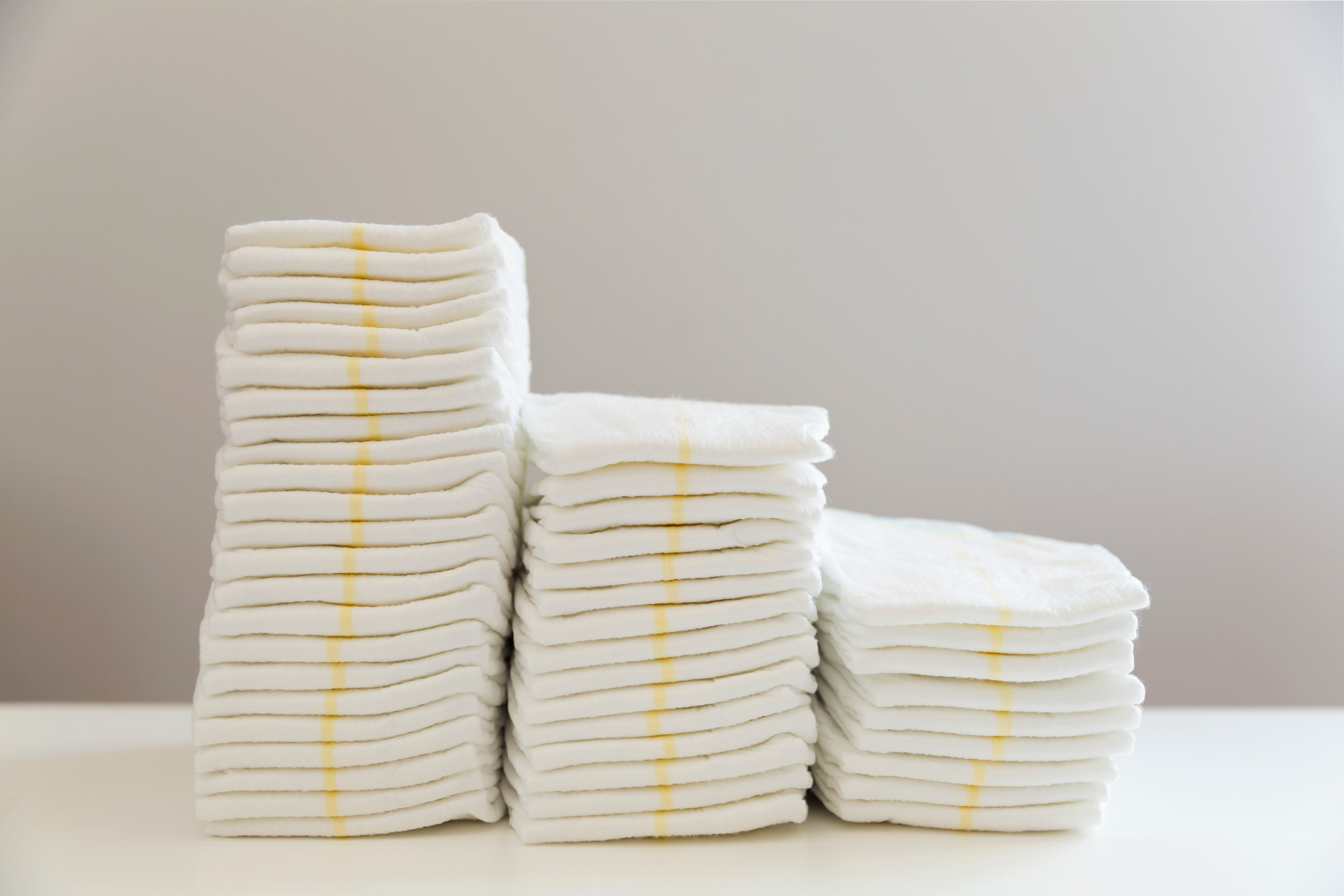
Diapers and fungi don’t exactly scream dream team. Not unless you’re the founders of Hiro Technologies, a startup in Austin, Texas that believes baby poop and mushrooms might hold the key to tackling one of the world’s stinkiest environmental problems: disposable diaper waste.
The numbers are far from cute. According to the Environmental Protection Agency, around four million tons of diapers were dumped in U.S. landfills in 2018 alone, with virtually no recycling or composting. These diapers take centuries to decompose. In fact, as Hiro Technologies co-founder Miki Agrawal put it, “When you throw something away, no one’s asking themselves, ‘Where’s away?’” Spoiler: it’s still here.
Introducing the MycoDigestible Diaper
To address the problem, Hiro Technologies developed the MycoDigestible Diaper, a disposable diaper that comes with a packet of plastic-eating fungi. After use, you sprinkle the fungi on the dirty diaper and toss it. Moisture from the diaper (yes, that includes the contents) activates the fungi, which then begin breaking down the plastic over time.
“Many, many moons ago, fungi evolved to break down trees,” said co-founder Tero Isokauppila. “This hard-to-break-down compound in trees called lignin has a carbon backbone very similar to that of plastic.” In other words, fungi have been training for this job since prehistoric times.
A (de)composition in progress
Isokauppila, who also founded the medicinal mushroom brand Four Sigmatic, explained that there are now over one hundred known fungi species capable of digesting plastic. One key player in the science behind Hiro’s diaper is Pestalotiopsis microspora, a fungus discovered by Yale researchers in 2011 in the Ecuadorian rainforest. This tenacious organism can survive on polyurethane and thrive in oxygen-poor environments like landfills.
At Hiro’s lab, sealed jars offer a time-lapse of diaper decomposition. By the nine-month mark, the once-synthetic diaper material resembles dark, crumbly soil. As Isokauppila described it, it’s “just digested plastic and essentially earth.”
From idea to marketplace
The MycoDigestible Diapers are currently available online in $35 weekly bundles. While early customer interest and investor buzz are promising, Agrawal declined to share specifics. For now, the company is focused on researching how the fungi perform in real-world environments across different climates.
The goal? To have enough data to make a “consumer-facing claim” by next year. The team also plans to extend the fungi treatment to other high-waste products like adult diapers and feminine care items.
Where science meets sustainability (and wipes)
In a world where convenience often clashes with climate goals, Hiro Technologies offers a rare glimmer of optimism: a product that leans into nature’s own solutions to reduce our waste footprint. As Agrawal emphasized, diapers are a top source of plastic waste in households, and one we rarely think about beyond disposal.
This fungi-powered approach doesn’t pretend to be a universal remedy to the problem of plastic pollution. But it does represent the kind of creative, solutions-focused innovation we need more of: turning a messy problem into fertile ground for change. Literally.






