


BY THE OPTIMIST DAILY EDITORIAL TEAM
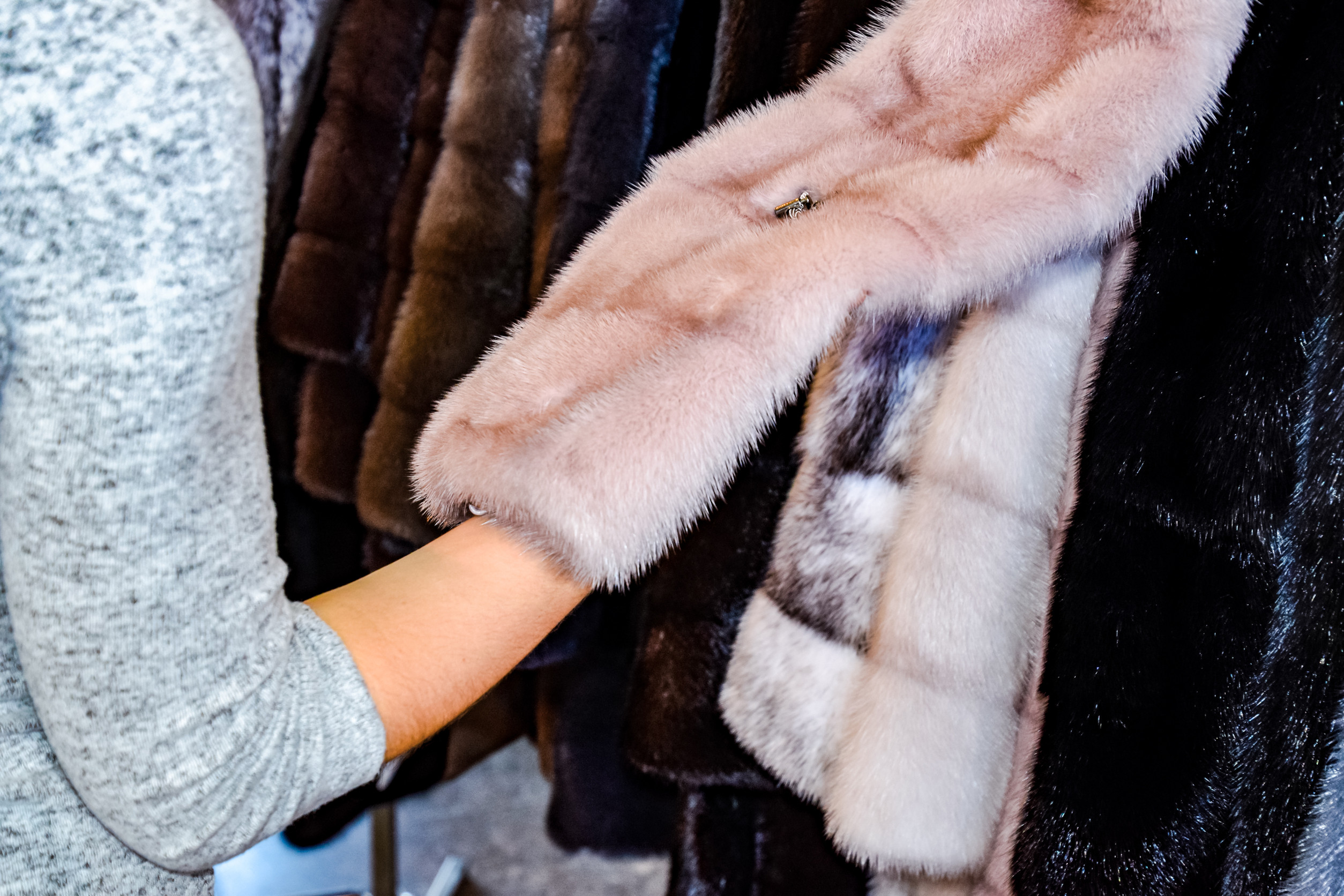
In 2014, over 140 million animals like minks, foxes, and raccoon dogs were farmed and killed for their fur. By 2023, that number dropped to around 20 million, according to a Humane World for Animals analysis using global and industry data. Though it excludes rabbit fur and animals caught in traps, the figure reflects a steep decline in the commercial fur industry worldwide.
Once a luxury good associated with wealth and elegance, fur has undergone a reputational collapse, thanks to coordinated efforts by fashion leaders, animal rights activists, and policymakers. The shift marks what some call the most significant animal welfare victory of the 21st century.
An industry built on unnecessary cruelty
Unlike meat or dairy, fur is a luxury item with no nutritional or medicinal value, which made it a strategic focus for animal advocates. And its production is steeped in brutality. Animals on fur farms are often confined in tiny wire cages, deprived of space, water, or companionship. Mink are typically gassed with carbon dioxide, while foxes and raccoon dogs are killed by anal electrocution.
Conditions on fur farms regularly lead to psychological distress in animals, who exhibit repetitive behaviors like pacing, head bobbing, or frantic scratching. PJ Smith, director of fashion policy at Humane World for Animals, described the animals as having “literally gone insane” from sensory deprivation and lack of natural behaviors.
How activists, policy, and pandemics reshaped the fur debate
Anti-fur campaigns have been around since the 1980s, with PETA leading controversial efforts like fake blood protests and celebrity endorsements. The long-term impact of early activism is hard to measure, but it laid the groundwork for deeper change. In the 2000s, more European nations began banning fur production, and mid-tier brands like J.Crew and Ralph Lauren opted out of fur.
The tipping point came in 2017 when Gucci went fur-free, followed by Burberry, Prada, Chanel, and Versace. By then, advocacy efforts had matured, and faux fur had improved in quality and aesthetics. Smith noted that newer, high-end faux fur created a “gap in the marketplace” for innovation. Policymakers responded as well: California banned fur sales in 2019, and the EU introduced new fur farming restrictions after Covid-19 outbreaks on mink farms heightened public health concerns.
The road ahead: victories, setbacks, and what remains
Recent developments point to continued momentum. Switzerland recently enacted a near-total ban on fur imports. The European Commission is reviewing a proposal backed by 1.5 million citizens to ban fur production and sales. The EU has also designated the American mink as an invasive species, which could restrict breeding further.
But challenges remain. Proposed bans in places like New York and Poland have stalled. Some major fashion houses, including Hermes and LVMH, still include fur in their collections. And despite massive gains, over 20 million animals are still killed for fur annually.
“The hardest part is going to be closing out an industry for good,” said Smith. He believes the next crucial steps involve convincing remaining fashion brands and enforcing policy changes to prevent future backsliding. “We need to ensure the future is fur-free once and for all.”






