


BY THE OPTIMIST DAILY EDITORIAL TEAM
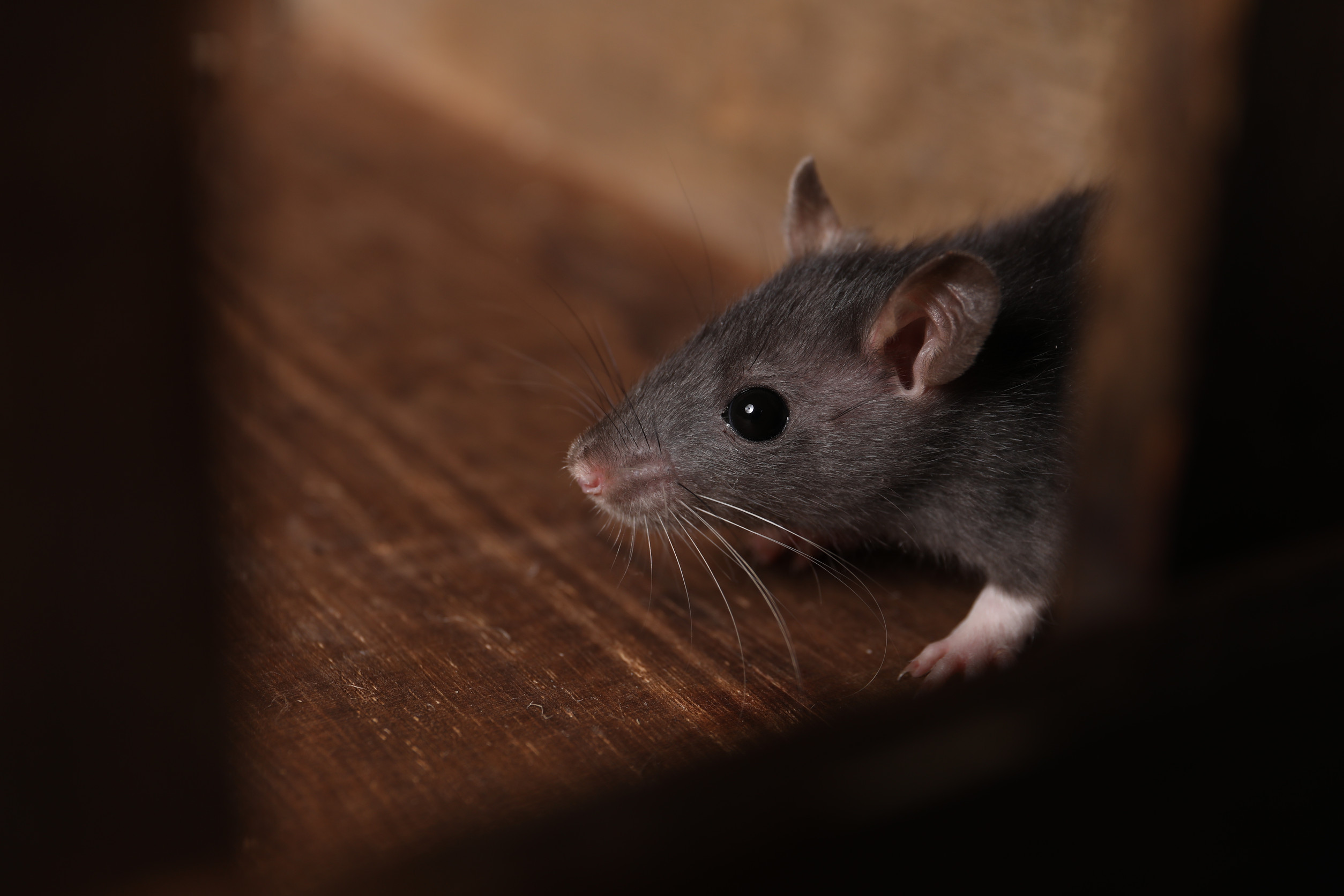
As the temperatures drop, mice are on the move, looking for a warm, cozy place to call home. If you’ve spotted signs of these uninvited guests, such as chewed food boxes, droppings, or the pitter-patter of tiny feet, don’t panic. Understanding how mice get inside and what draws them to your space can go a long way in keeping your home rodent-free.
1. Small gaps and hidden holes
Mice are masters of squeezing through impossibly tiny openings. Just a quarter-inch wide is enough for their bodies to wiggle through. Their sharp teeth make the problem worse, allowing them to chew through wood, insulation, and drywall to create new entrances.
Do a walk-around inspection of your home’s exterior. Pay special attention to cracks in your foundation, holes beneath decks, and areas where pipes or cables enter. Seal gaps with steel wool and caulk or use hardware cloth for larger openings.
2. Doors, windows, and pet entries
Loose door sweeps, misaligned weatherstripping, and even pet doors give mice a red carpet welcome. They’re also excellent climbers, capable of scaling brick, trellises, and even trees to reach open upper windows.
Check for air drafts near windows and under doors. If air can escape, mice can enter. Replace worn-out seals and consider installing rodent-proof door sweeps.
3. Plumbing and drains
It’s rare, but mice have been known to wriggle through drainpipes and emerge from toilets or sinks. Though they dislike water, desperate rodents will use this route if other access points are blocked.
Inspect your drain system for cracks, broken joints, or poor seals. Cover floor drains with metal screens, and keep toilet lids closed in basements or unused bathrooms.
4. Roofs and attic vents
To a mouse, your roof is a welcome mat. They’ll scale gutters, shimmy along wires, and leap from trees to reach attic vents or chimney flues. Once inside, they make nests in insulation and chew through wires and wood.
Install wire mesh over vents, chimney openings, and downspouts. Trim tree branches back at least six feet from the roof to make jumping more difficult.
5. Stored items and secondhand furniture
That old couch in the garage? Prime mouse real estate. Rodents love nesting in cardboard boxes, mattresses, and upholstered furniture, especially when stored in quiet corners of basements or sheds.
Before bringing anything from storage into your home, inspect it carefully. When possible, use sealed plastic bins instead of cardboard boxes.
Why mice move in: common attractants
Easy-access food
Mice can survive on just a tenth of an ounce of food per day, and on top o f that they’re not picky. Grains, sweets, pet food, and even crumbs are fair game. They also chew through paper and plastic packaging with ease.
Store food (including pet treats) in airtight containers made of glass, metal, or heavy-duty plastic. Clean up spills right away, and take the trash out regularly.
Warmth and shelter
Mice migrate indoors as the temperature drops, especially into homes with central heating, cluttered spaces, or cozy hiding spots like wall voids. They’re also drawn to the warmth of appliances such as ovens, dryers, and water heaters.
Declutter storage areas, seal access to wall cavities, and check behind appliances regularly.
Water and moisture
Though most mice get moisture from food, they won’t turn down a sip from a pet water bowl or a leaky tap. They’re also drawn to condensation on windows and damp areas like basements.
Fix leaks, use dehumidifiers if needed, and empty standing water from plant trays or drip pans.
Lush gardens
A thriving vegetable patch or fruit tree can be a rodent buffet. Gardens offer both food and shelter, especially if overgrown or close to the house.
Install rodent-proof fencing and store compost securely. Clear weeds and fallen fruit to reduce hiding spots.






