


BY THE OPTIMIST DAILY EDITORIAL TEAM
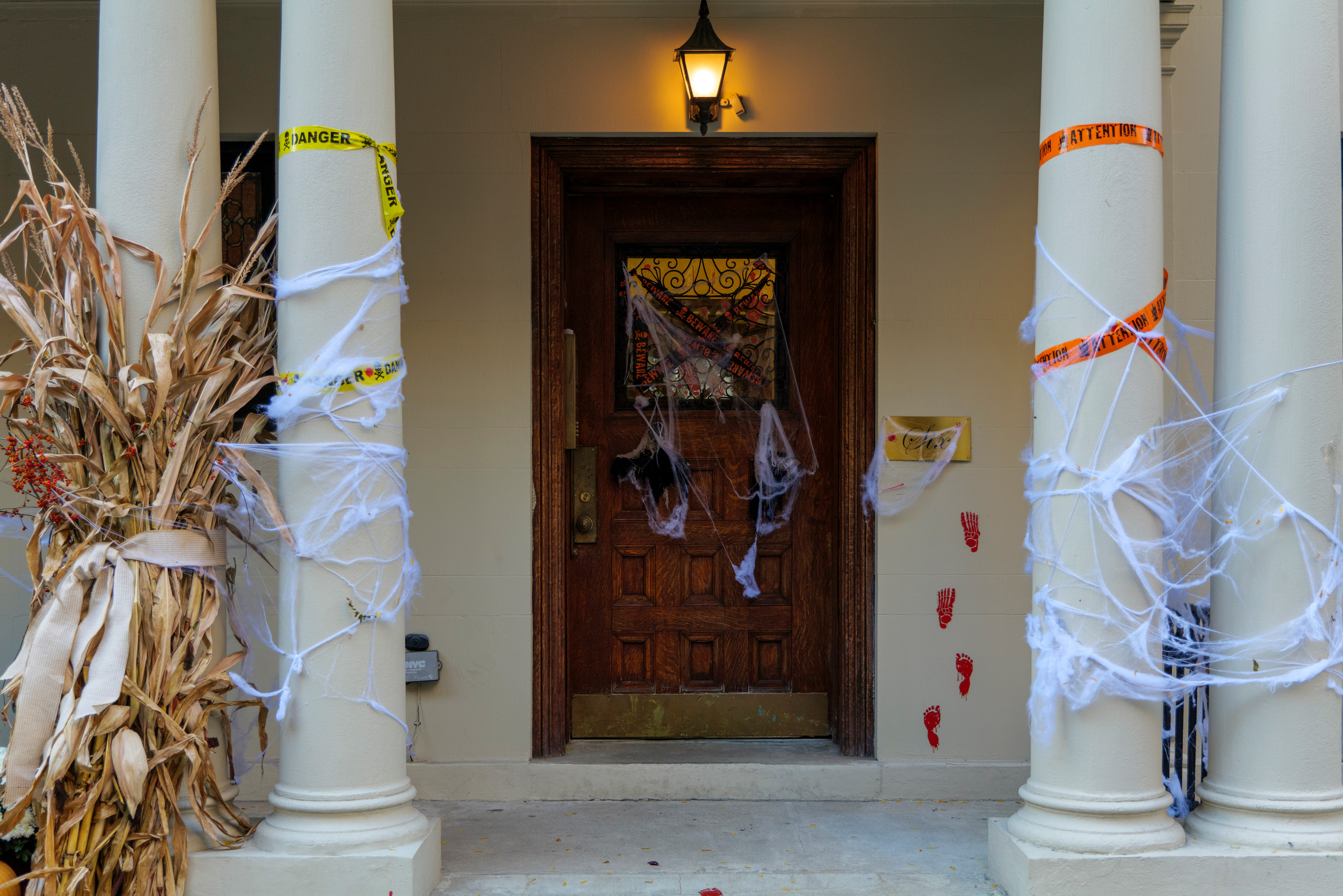
Halloween brings out the pumpkins, glowing skeletons, and plenty of stretchy fake spider webs. While fun for us, some decorations can create very real dangers for local wildlife.
“Birds would definitely be the major concern,” says Jennifer Bloodgood, a Cornell University wildlife veterinarian. She explains that fake spider webs in particular can act like mist nets, which are tools researchers use to purposely catch birds and bats. Hung across trees or yards, these webs can unintentionally entangle small animals. “Other potentials would be small mammals if they are close to the ground,” she adds, noting mice, voles, moles, and even possums could be at risk.
Why fake spider webs are especially tricky
Placed in the wrong spot, fake spider webs can interfere with normal flight paths. Birds and bats flying through a yard or across a tree may not see the material until it’s too late. There’s also the chance of animals accidentally ingesting the webbing, either by mistaking it for food or when eating prey caught in it.
To avoid this, Bloodgood suggests keeping webs close to your home rather than stretching them across open spaces where animals travel.
When pumpkins attract more than trick-or-treaters
Decorating with real pumpkins is another seasonal favorite, but they can unintentionally lure wildlife into harm’s way. “They would end up as rabbit or deer food,” says Bloodgood, who no longer places pumpkins outside her own home. For households near busy roads, the risk increases. Animals may be drawn across traffic to reach the treats.
Safer ways to decorate
Bloodgood’s advice is simple: keep decorations close to the house and avoid placing enticing items like pumpkins in areas where animals are likely to forage. “Things that are in your yard are potentially a little bit more dangerous,” she explains. Being aware of placement, especially if you live in a wildlife-rich area. This helps ensure your Halloween celebrations don’t create unintended hazards.
Celebrating without causing harm
Although Bloodgood hasn’t personally treated animals injured by Halloween décor, her past work with marine mammals revealed just how often human objects show up in wildlife. “We came across lots of weird stuff in and on animals,” she recalls, pointing to balloons as a common culprit.
But never fear! You can still have a frightfully festive Halloween. With a few mindful choices like skipping the pumpkins or keeping webs on your porch instead of your trees, you can help wildlife stay safe while still enjoying all the spooky fun.






