BY THE OPTIMIST DAILY EDITORIAL TEAM
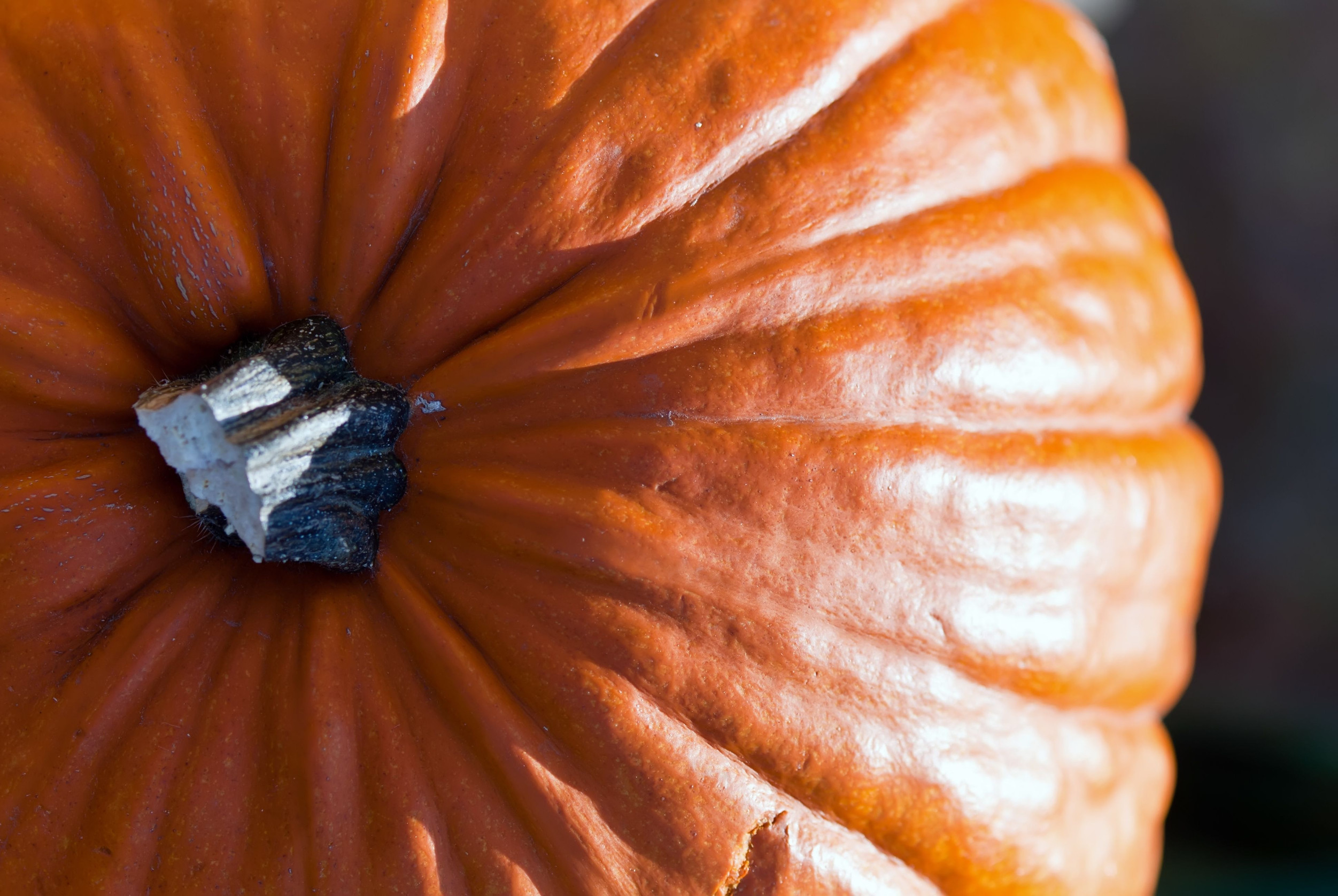
Pumpkin spice lattes, jack-o’-lanterns, and Thanksgiving pies: pumpkins are the unofficial mascots of fall. But behind their seasonal charm lies a deeper, more complicated story that winds through language, history, agriculture, and even a little insult comedy.
“Pumpkins are more popular than ever,” says Cindy Ott, associate professor of history at the University of Delaware and author of Pumpkin: The Curious History of an American Icon. But our obsession with this humble gourd, she notes, is tied less to flavor and more to a nostalgic longing for simpler, rural times. “People are buying these things, even pumpkin spice lattes, because of these attachments, these very old-fashioned ideas about reverence of the small family farm.”
A name with roots that twist like a vine
The word “pumpkin” has always been more conceptual than botanical. According to Logan Kistler, curator of archaeobotany at the Smithsonian’s National Museum of Natural History, the term refers to squash varieties bred to resemble the round, orange gourds we associate with fall. “Pumpkin isn’t exactly a botanical group,” he explains.
Linguistically, the word has had quite a journey. Fiona McPherson of the Oxford English Dictionary traces it from the Greek pepon to the French pompon, which eventually morphed into the English “pompion” in the 1500s. “Pumpkin,” as we know it today, first appeared in print in 1647, ironically in reference to the meager diet of early settlers.
But while the word took a European path, the plant itself is deeply American. Indigenous peoples across North, Central, and South America cultivated early pumpkin ancestors, domesticating different types of Cucurbita as far back as 10,000 years ago in Mexico. “Pumpkins are part of this genus Cucurbita,” says Kistler, noting that they were farmed widely throughout the Americas long before colonists arrived.
From insult to endearment
Surprisingly, it didn’t take long for the word “pumpkin” to go from dietary staple to verbal jab. By the late 1600s, it was being used as an insult.
“It really did not take long for it to develop this figurative use,” says McPherson. Pumpkin became a shorthand for someone who was conceited, dim-witted, or full of hot air.
Cindy Ott adds that gender played a role in the insult’s direction. For women, pumpkin imagery was linked to the body and “natural urges,” seen as a lack of refinement. For men, it implied an empty head. “It’s been used for politicians for hundreds of years,” she notes.
A symbol of imagined agrarian purity
By the late 19th century, the pumpkin was undergoing a cultural rehabilitation. It shifted from insult to affection, and from staple crop to nostalgic icon.
“So Americans move out of the country, into the city, but they like to imagine themselves farmers at heart, many of them,” Ott explains. As industrialization transformed the U.S., the pumpkin came to symbolize the pastoral life being left behind. In poetry, paintings, and festivals, it became a stand-in for tradition and a romanticized vision of national roots.
Today, that symbolism is being put to work, literally. Pumpkins are once again supporting small farmers, not as dietary staples but as attractions. Ott calls them “agrarian wonderlands,” where farms market autumnal experiences that hinge on the iconic gourd.
“The cool thing about the whole story,” Ott says, “is that these very romantic ideas and myths that a lot of Americans tell themselves about their origin stories are actually helping to rejuvenate the very thing it represents: a small family farm.”