BY THE OPTIMIST DAILY EDITORIAL TEAM
Politics may often feel gridlocked, but this year we witnessed powerful examples of what’s possible when courage meets action. In our Best of 2025 Politics roundup, we’re featuring policies and leaders that pushed for equity, justice, and real-world solutions that ripple far beyond the headlines.
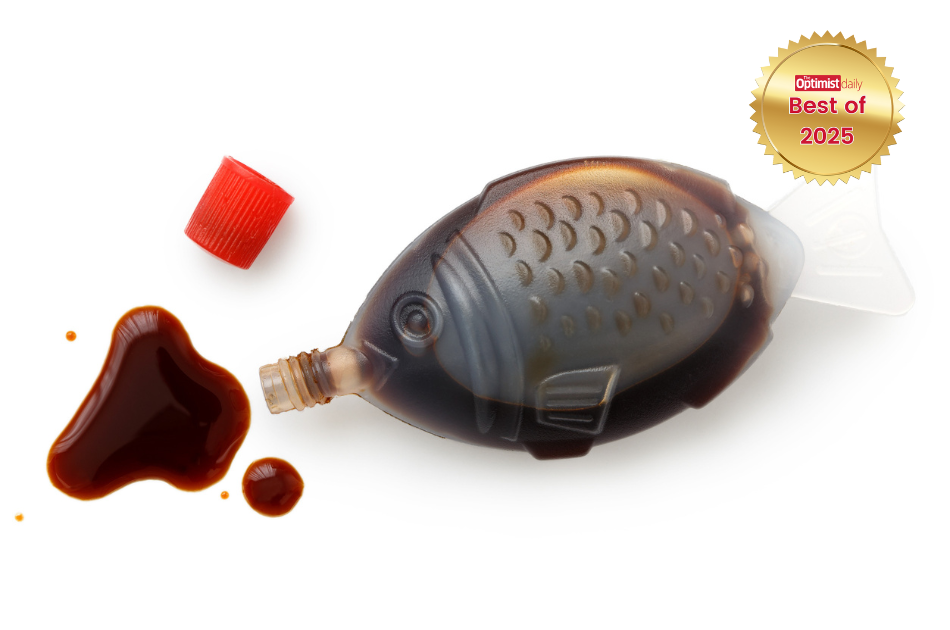
For decades, they’ve bobbed alongside sushi rolls across the globe: those tiny fish-shaped soy sauce bottles that squeeze out just enough seasoning for a mouthful of maki. But their days are numbered. As of September 1st, South Australia is the first place in the world to ban them, as part of a broader crackdown on single-use plastics.
Invented in 1954 by Japanese designer Teruo Watanabe, the polyethylene container, originally branded the “Lunch Charm”, quickly became a staple of takeaway sushi culture. But what once symbolized convenience has now become a poster child for throwaway plastic.
Why the ban matters
South Australian environment minister Dr. Susan Close explained the reasoning simply: “Each plastic fish container is used for just seconds but their small size means they’re easily dropped, blown away, or washed into drains, making them an ever present component of beach and street litter.”
These little containers are not just unsightly. They are persistent. “Since they are quite a thick plastic, it does take quite a while for them to degrade,” noted Dr. Nina Wootton, a marine ecologist at the University of Adelaide. Worse, their shape could trick marine life into swallowing them whole.
What replaces the soy fish?
The law doesn’t ban soy sauce itself, so sushi lovers can relax. What it does ban are the small pre-filled plastic fish holding less than 30ml. Plastic sachets are still permitted for now, but the government hopes restaurants will turn to bulk dispensers or refillable bottles. Other items on the chopping block include plastic cutlery and expanded polystyrene food packaging, such as those instant noodle bowls many of us know too well.
A small step with big ripples
Conservationists applaud the move while urging Australia to go further. Cip Hamilton of the Australian Marine Conservation Society called it “an important small step towards reducing plastic pollution,” but emphasized that stronger nationwide laws are needed to curb plastic production and hold businesses accountable.
From convenience to conservation
The sushi fish ban may seem quirky, but it speaks to a bigger truth: tiny plastics add up. Each one tossed aside or lost at sea contributes to the mounting crisis facing oceans and coastlines. By starting with something as iconic (and replaceable) as a soy sauce fish, South Australia is sending a clear message that convenience packaging can no longer come at the expense of the planet.
Did this solution from 2025 stand out to you? Support The Optimist Daily so we can fill 2026 with more positive headlines like this. Become an Emissary and help guide more people to solutions with us here.