BY THE OPTIMIST DAILY EDITORIAL TEAM
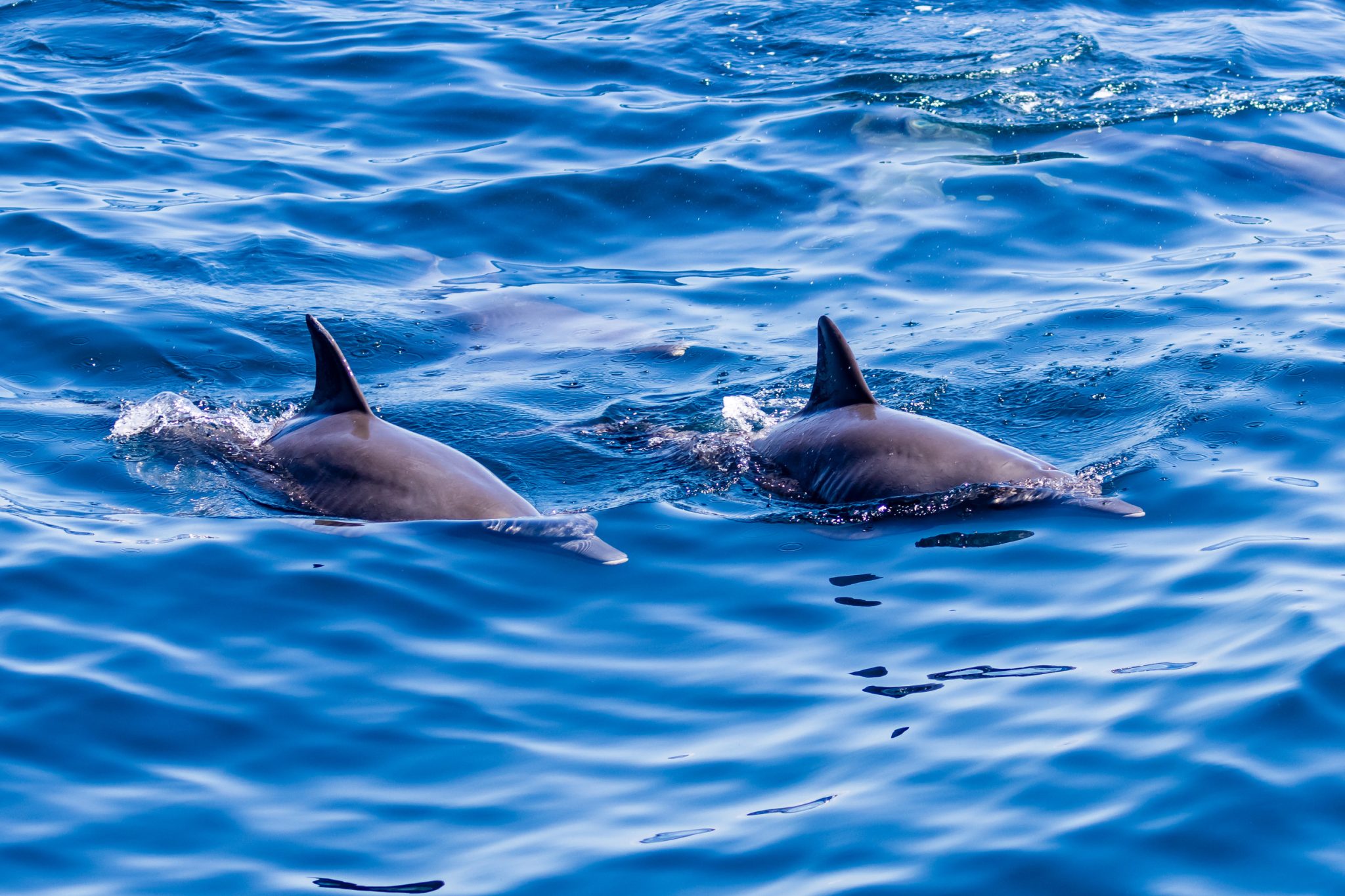
Each winter, the Bay of Biscay sadly becomes a hotspot for tragedy and loss for dolphins. These highly intelligent marine mammals migrate into the region just as fishing activity intensifies, creating a dangerously deadly overlap. For years, hundreds of dolphins have washed ashore on the coasts of France and Spain, many bearing the unmistakable scars of accidental capture in fishing nets.
But this year, Europe is hitting pause again.
The European Commission announced that it will reintroduce a seasonal fishing ban in early 2026, following positive results from similar restrictions in previous years. The temporary closure, set to run from 22 January to 20 February, will apply to vessels over eight metres in length operating in the Bay of Biscay.
The aim is simple: give dolphins a fighting chance during the most dangerous time of year.
A proven solution that’s gaining momentum
This will be the third winter in a row that the European Union has applied this type of closure in the region. What’s changed is the tone of the conversation: unlike past years filled with uncertainty and pushback, this time, the results are speaking for themselves.
In 2025, dolphin mortality dropped significantly, according to data cited by the Commission. That success is being used as a clear justification to repeat the measure.
“This isn’t just theory—it’s evidence-based policy,” noted one official involved in the rollout.
For researchers at PELAGIS, a French marine observatory that has tracked cetacean deaths for years, the move represents long-awaited validation of what their data has long shown: that reducing fishing activity during key migration periods works.
Balancing conservation with livelihoods
The ban will affect approximately 300 vessels across EU member states, disrupting business for many small and medium-scale fisheries. The Commission acknowledges the economic cost but has made support available.
To soften the blow, impacted fishers will be eligible for compensation through the European Maritime, Fisheries and Aquaculture Fund, along with potential national aid. The goal is to ensure that conservation does not come at the expense of coastal communities’ stability.
This balance between environmental protection and economic resilience is central to the EU’s approach.
Tech, oversight, and year-round safeguards
The winter closure is not a one-note solution. It’s part of a broader strategy to make fishing more dolphin-friendly throughout the year.
Several policies already in place will continue into 2026:
- Acoustic deterrent devices (pingers) are required on certain vessels year-round. These devices emit sound frequencies to warn off cetaceans before they come too close to nets.
- Expanded monitoring programs, including the deployment of on-board observers and video camera systems, are being scaled up to track interactions between marine life and fishing gear.
These tools help ensure that protective measures don’t rely solely on seasonal bans, but instead embed safeguards into the fabric of day-to-day operations.
A model for pragmatic conservation
At its heart, this recurring closure is an example of pragmatic, measurable environmental action. This elegant solution is one that acknowledges both the urgency of wildlife conservation and the realities of the fishing industry.
By limiting fishing activity during peak risk periods, while offering financial support and expanding monitoring, the EU is carving out a middle path that other regions may look to replicate.
Dolphins, it seems, are already responding to that lifeline. And as policymakers and communities gear up for 2026, the hope is that this seasonal pause becomes more than a band-aid solution, but perhaps even a blueprint.
Did this solution stand out? Share it with a friend or support our mission by becoming an Emissary.