BY THE OPTIMIST DAILY EDITORIAL TEAM
In an amazing environmental move, stingless bees in Peru’s Amazon rainforest have become the first insects in the world to be granted legal rights. This is nothing short of a brilliant step toward protecting some of the most critical pollinators on Earth.
The ordinances, passed in the Peruvian municipalities of Satipo and Nauta, now legally recognize these bees as rights-bearing beings. The laws guarantee their right to exist, thrive, and inhabit a clean, stable ecosystem, marking a powerful turning point in the relationship between law and nature.
“This ordinance marks a turning point in our relationship with nature,” said Constanza Prieto, Latin American director at the Earth Law Center. “It makes stingless bees visible, recognizes them as rights-bearing subjects, and affirms their essential role in preserving ecosystems.”
Why stingless bees matter more than you think
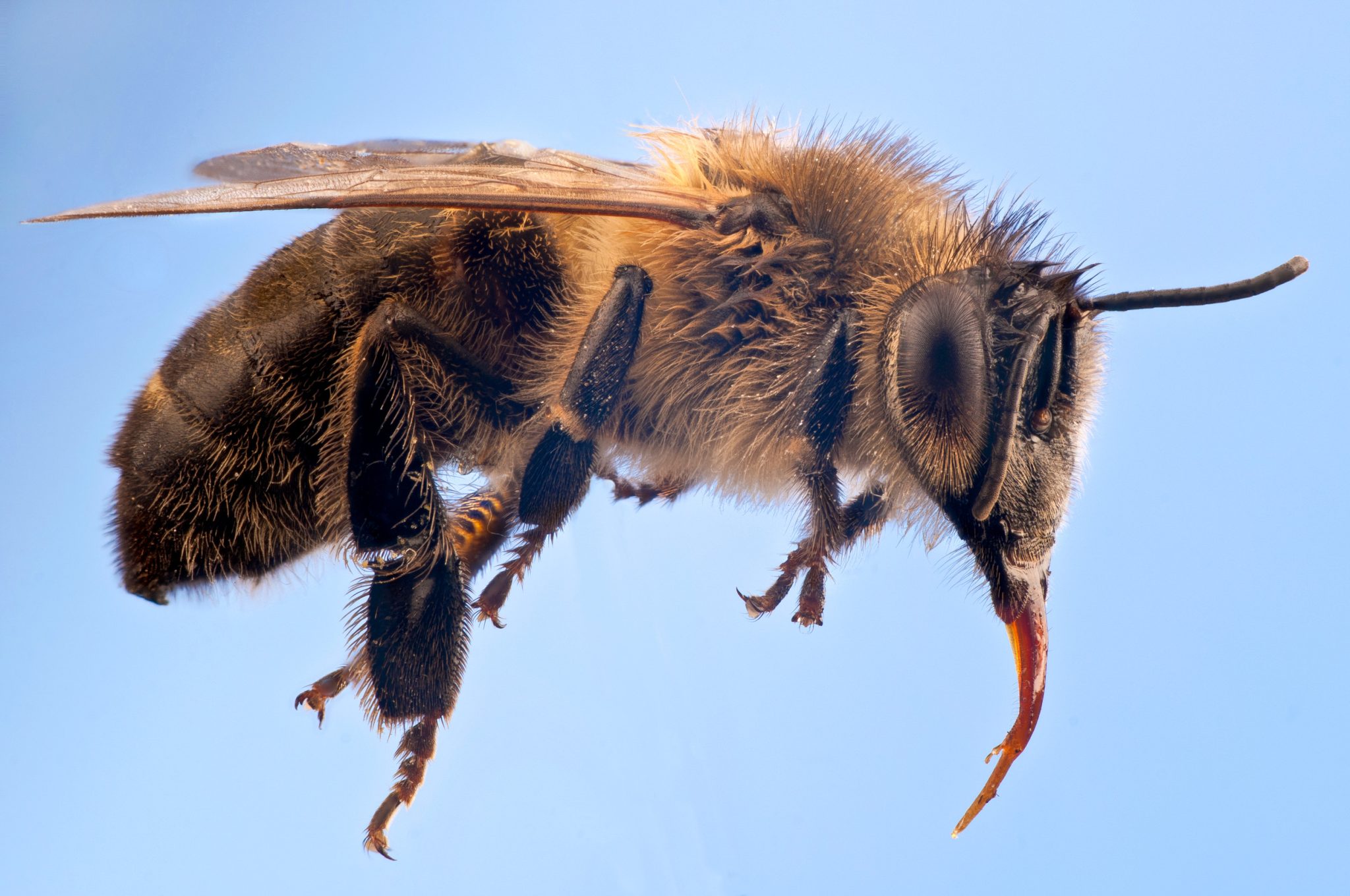
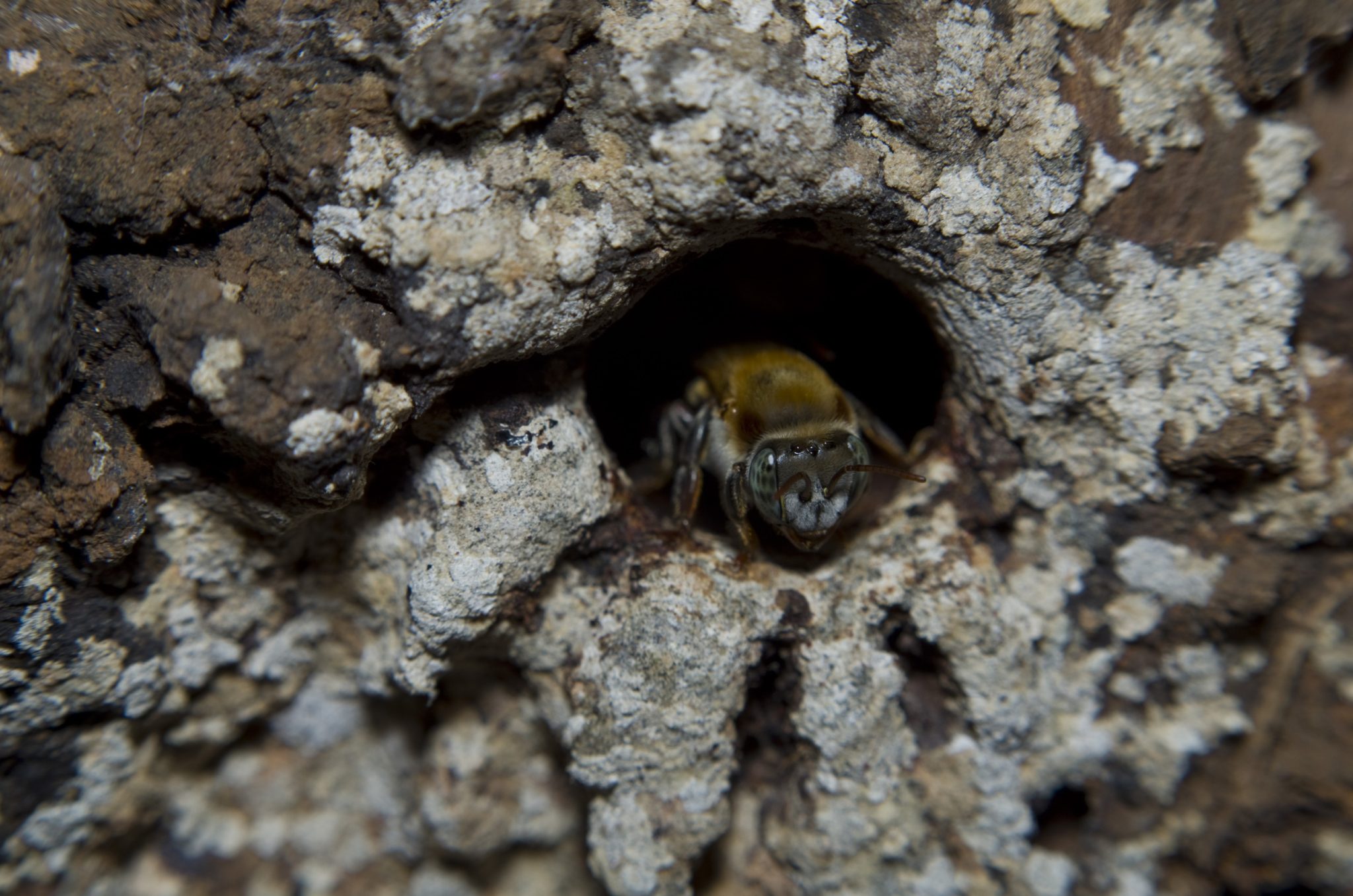
Found in tropical regions around the globe, stingless bees, despite what their name might suggest, are far from passive players in the ecosystem. These gentle creatures have been cultivated by Indigenous peoples since pre-Columbian times and are thought to be some of the oldest bee species on the planet.
Roughly half of the world’s 500 known stingless bee species live in the Amazon, where they pollinate over 80 percent of local plant species, including essential crops like cacao, coffee, and avocados.
Their cultural significance runs deep, too. For Indigenous Asháninka and Kukama-Kukamiria communities, the bees hold spiritual and ancestral value. “The stingless bee has existed since time immemorial and reflects our coexistence with the rainforest,” said Apu Cesar Ramos, president of EcoAshaninka of the Asháninka Communal Reserve.
But these bees face growing threats: habitat loss from deforestation, pesticide contamination, climate change, and aggressive competition from invasive Africanized honeybees, often called “killer bees.”
From honey sample to legal revolution
The fight to protect these bees started with a sample of honey. During the early pandemic, Rosa Vásquez Espinoza, a chemical biologist and founder of Amazon Research Internacional, was asked to analyze honey used by Indigenous communities as a remedy for COVID-19 symptoms.
What she discovered was astonishing: hundreds of medicinal compounds with anti-inflammatory, antiviral, antioxidant, and even anti-cancer properties. “The variety was also really wild,” said Espinoza. “These molecules have been known to have some sort of biological medicinal property.”
Her discovery sent her deep into the rainforest, where she began documenting the bees alongside Indigenous communities. But one alarming pattern kept surfacing: the bees were disappearing.
Community members reported that where bees were once found within a short walk, they now had to trek for hours. Espinoza’s lab tests also found pesticide traces in the bees’ honey, even in areas great distances from large-scale farming.
Meanwhile, the lack of international recognition for stingless bees became a barrier to both conservation and funding. “It almost created a vicious cycle,” she said. “I cannot give you the funding because you’re not on the list, but you cannot even get on the list because you don’t have the data.”
In 2023, Espinoza and her team launched a large-scale mapping project that revealed a clear link between bee decline and deforestation. This evidence helped Peru pass a 2024 law designating stingless bees as native species, a status that legally requires their protection.
Outcompeted and under threat
But the bees are battling more than shrinking forests. One of their fiercest threats is a species created by humans: the Africanized honeybee.
These aggressive bees were first bred in the 1950s in Brazil to create a more productive tropical honeybee, but they quickly spread and are now outcompeting native species.
On an expedition to the Junín region of Peru, Espinoza met Elizabeth, an Asháninka elder whose gentle stingless bees had been pushed out by Africanized bees. “She had horror in her eyes,” Espinoza recalled. “She kept looking at me straight and asking: ‘How do I get rid of them? I hate them. I want them gone.’”
That moment underscored the urgency of the issue and gave added momentum to the legal campaign.
What rights for bees actually look like
The new ordinances in Satipo and Nauta give stingless bees rights that go beyond symbolic gestures. They are now legally entitled to:
• Exist and maintain thriving populations
• Inhabit pollution-free environments
• Access ecologically stable climate conditions
• Be represented in legal proceedings if threatened or harmed
These laws also compel local authorities to create specific conservation plans: restoring bee habitats, regulating pesticide use, supporting scientific research, and adopting the precautionary principle, which is the idea that any action potentially harming bees must be avoided unless proven safe.
“These rights establish a mandate requiring habitat reforestation and restoration, strict regulation of pesticides, and adaptation to climate change,” said Prieto.
The hope is that this precedent spreads globally. A petition calling on Peru’s federal government to make bee rights a national law has already drawn over 386,000 signatures. Advocates from the Netherlands, Bolivia, and the United States have expressed interest in replicating the legal model in their own regions.
Redefining conservation, one bee at a time
For Espinoza and the communities she works with, this legal recognition is not just a win for bees; it is a win for ancestral knowledge, biodiversity, and the future of conservation.
“The stingless bee provides us with food and medicine, and it must be made known so that more people will protect it,” said Ramos. “This law represents a major step forward for us, because it gives value to the lived experience of our Indigenous peoples and the rainforest.”
In a world where bees are often discussed solely in terms of their productivity, this shift reframes them as beings with intrinsic value, deserving not just of protection, but of rights.
And if a tiny, stingless insect in a faraway rainforest can be granted legal standing, maybe it’s not such a stretch to imagine a world where ecosystems everywhere are treated with the same reverence and care.
Did this solution stand out? Share it with a friend or support our mission by becoming an Emissary.