BY THE OPTIMIST DAILY EDITORIAL TEAM
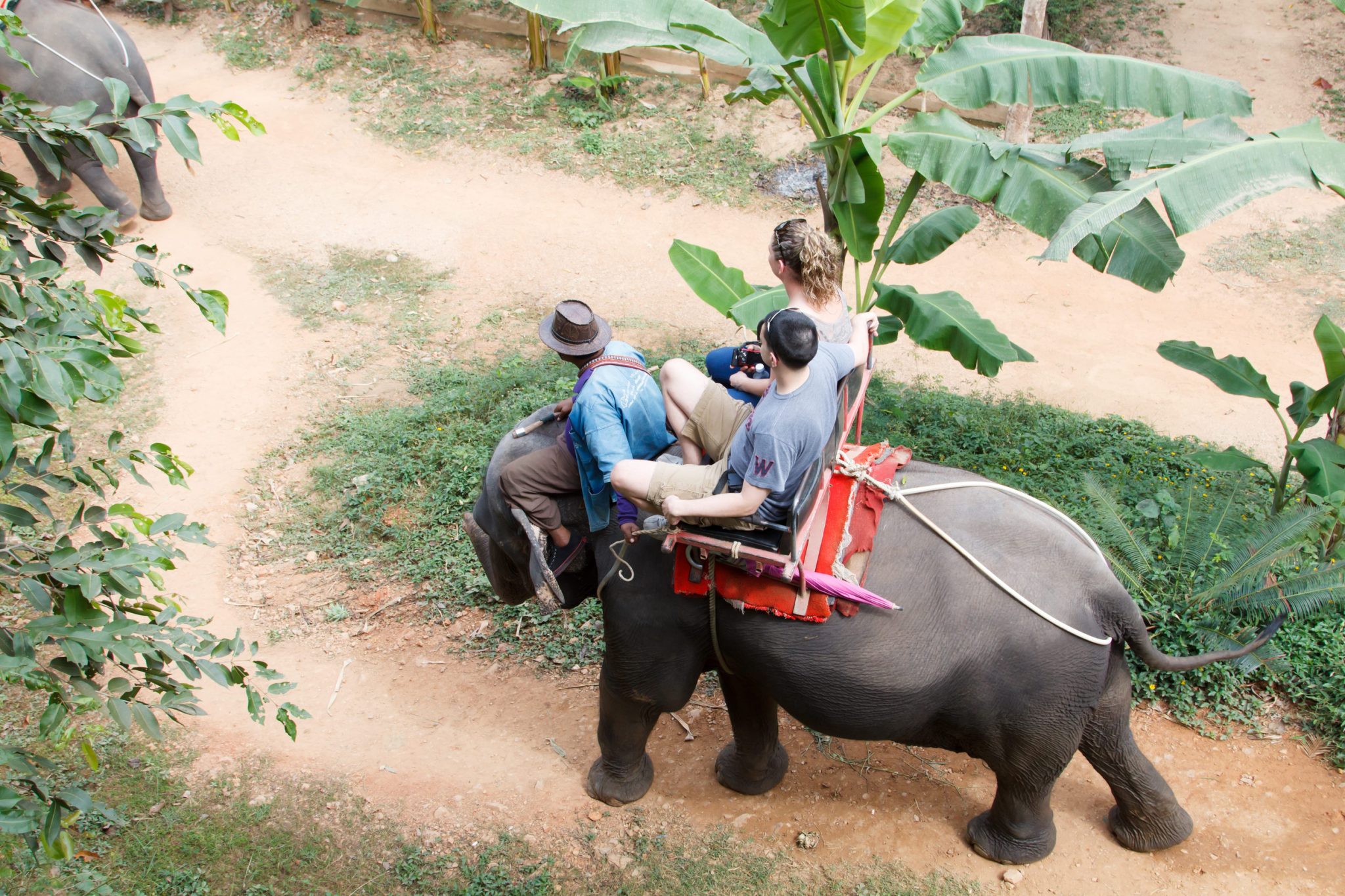
Indonesia officially banned elephant rides in zoos and conservation centers across the country, marking a significant shift in how one of Southeast Asia’s most iconic animals is treated in tourism settings.
The decision, announced by the Ministry of Forestry’s Directorate General of Natural Resources and Ecosystem Conservation late last year, brings an end to a long-criticized practice that animal welfare groups say has caused physical and psychological harm to captive elephants. Authorities made clear that facilities failing to comply risk losing their operating permits.
For advocates who campaigned for years, the announcement represents both validation and a turning point.
Animal welfare organizations welcomed the move, describing it as a milestone not just for Indonesia but for the region.
“We congratulate the Indonesian Government on taking this world-leading step to safeguarding the dignity of wild animals,” said Suzanne Milthorpe, head of campaigns for World Animal Protection ANZ.
“The ending of elephant rides in Indonesia sends a strong signal to the wider tourism industry that we’re entering a new chapter of more responsible wildlife tourism,” she added. “This wonderful win for elephants comes after years of tireless advocacy and on-the-ground engagement.”
Bali’s Mason Elephant Park, one of the last venues in the country still offering rides, reportedly halted the practice at the end of January after receiving multiple warnings. According to World Animal Protection, the park is now transitioning toward ethical, observation-based experiences that allow visitors to see elephants without riding or direct exploitation.
Why elephant riding is controversial
Elephants are widely regarded as among the most intelligent non-human animals on the planet. Research over the past two decades has highlighted their complex cognitive and social abilities. A 2001 study found that elephants can craft and use tools and possess a volume of cerebral cortex for cognitive processing that exceeds that of any primate species. More recently, a 2024 study suggested elephants invent and use individualized vocalizations (effectively “names”) for one another.
Despite this sophistication, captive elephants used in tourism are often subjected to harsh training methods designed to make them compliant around humans. Animal welfare experts say the process can be painful and deeply stressful, restricting natural behaviors and leading to long-term psychological trauma.
Chris Lewis, captivity research and policy manager at the conservation charity Born Free, notes that elephants are not physically built to carry heavy loads on their backs. Like horses, repeated strain from riders can result in chronic pain, sores, open wounds, vertebral damage, and muscle degeneration.
“Indonesia’s decision reflects growing public awareness that animal welfare matters, with many tourists seeking to engage in ethical wildlife tourism,” Lewis wrote. “We call on tourism operators, policymakers, and the public to support this transition and reject harmful practices that exploit wildlife across the globe.”
He added a clear recommendation: “Born Free strongly advises people not to ride elephants or to participate in other close contact activities with elephants or any other wild animal.”
A broader shift in tourism
Indonesia’s ban comes amid increasing global scrutiny of wildlife tourism practices. As travelers become more aware of how animals are trained and treated behind the scenes, demand has grown for experiences that prioritize conservation and welfare over entertainment.
The government’s move signals that regulators are paying attention. By tying compliance to operating permits, authorities have created a clear incentive for zoos and conservation centers to shift toward non-exploitative models.
Observation-based tourism, in which visitors watch animals behaving naturally rather than interacting directly with them, is increasingly seen as a viable alternative. It allows facilities to generate income while minimizing stress and harm to animals.
Enforcement will be key
While advocacy groups celebrated the ban, they also emphasized that meaningful change depends on effective enforcement. Clear rules and oversight will determine whether the policy translates into improved conditions on the ground.
Still, the nationwide prohibition sends a powerful message: wildlife tourism can evolve.
For elephants, which are highly social, emotionally complex animals that roam vast distances in the wild, the end of rides in Indonesia represents a step toward dignity and a more respectful relationship between humans and the natural world.
Did this solution stand out? Share it with a friend or support our mission by becoming an Emissary.