BY THE OPTIMIST DAILY EDITORIAL TEAM
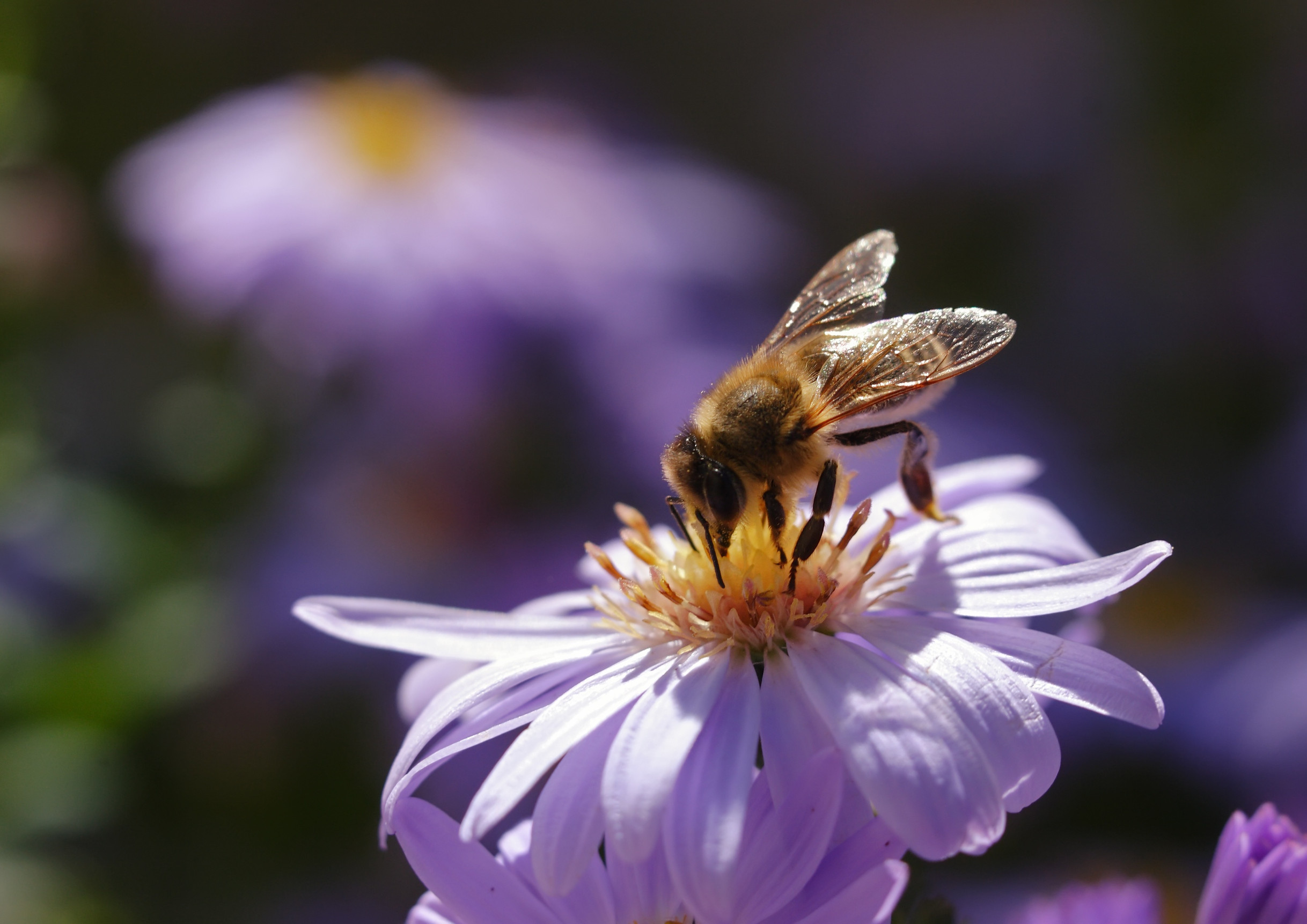
On a warm afternoon in Bristol, an alleyway once known for litter and neglect is now humming with life. Catmint, yarrow, geraniums, and anemones fill the air with color and scent, attracting bumblebees, hoverflies, and ladybirds. “It’s buzzing with pollinators now,” says Flora Beverley, as she strolls through the rejuvenated space.
Just over a year ago, this was a drab, forgotten corner of the city. Today, it’s a thriving part of the Pollinator Pathways Project, complete with nectar-rich plants, bee hotels, and cheerful murals. Local residents care for the space, watering plants and picking up litter. “We want to keep it that way,” Beverley says.
How it all began
A trail runner and fitness influencer, Beverley launched the project after a chronic illness limited her outdoor activity. Wanting to bring nature closer to home, she began connecting local green spaces with insect-friendly corridors. The idea took off: in just one year, volunteers transformed seven alleyways across South Bristol.
“The things that are good for nature tend to be very good for people too,” she says. And despite Bristol’s many parks, Beverley saw a critical gap. “Habitat fragmentation is a big issue.”
Funded by small grants, local business donations, and community support, most of the work is completed in a weekend. Mural artists, gardeners, and neighbors come together, creating joyful pockets of biodiversity in unexpected places.
A model with global roots
Bristol’s initiative is part of a growing international movement. The term “pollinator pathway” was coined by US artist Sarah Bergmann in 2007 for a Seattle-based corridor of native plants. Since then, over 300 towns in 24 US states and parts of Canada have joined the movement.
In Norway, Oslo’s “bee highway” weaves together green rooftops and flowering patches across the city. Meanwhile, in the UK, conservation charity Buglife has created a national-scale B-Lines network: 3-kilometer-wide “insect superhighways” connecting wildflower-rich habitats.
More than 3,800 pollinator projects have already been added to Buglife’s online map. The B-Lines have helped species like the bilberry bumblebee in Shropshire and the small scabious mining bee in the southwest.
Why pollinator pathways matter
Insects are in crisis. Studies estimate global insect biomass is declining by one to two and a half percent each year. In the UK alone, Buglife’s citizen science project found a 63 percent decline in flying insects between 2021 and 2024.
“Creating more pollinator-friendly habitat in our cities is a fairly easy win,” says Professor Dave Goulson of the University of Sussex. “If we green up gardens, parks, road verges, cemeteries, and alleys in Bristol, it all adds up.”
He adds that it’s not just good for bees and butterflies. “It connects people with nature. Kids can grow up surrounded by bumblebees, butterflies, and birdsong.”
Rachel Richards of Buglife emphasizes the importance of connected habitats: “Reconnecting fragmented landscapes builds resilience,” especially as climate change brings more fires and floods.
Looking to the future
With hotter, drier summers ahead, Beverley is planning carefully. Each pollinator pathway includes hardy, drought-resistant plants. Herbicides are avoided entirely; volunteers manually remove weeds to keep paths accessible.
After her social media posts on the alleyway transformations went viral, Beverley now hopes to create a toolkit so others can replicate the idea beyond Bristol.
“It’s a bee buffet,” she says with a smile. “And now the pollinators are coming in their masses.”