BY THE OPTIMIST DAILY EDITORIAL TEAM
Whether you live near traffic-clogged streets, wildfire zones, or just breathe everyday city air, you’re likely inhaling more pollution than you think. According to the World Health Organization, 99 percent of people worldwide are exposed to air pollution levels that exceed safety guidelines. That includes everyone from urban dwellers to small-town residents.
But there’s good news hiding in your fruit bowl.
A growing body of research suggests that while we may not be able to escape dirty air completely, what we eat could help protect our lungs from some of its most damaging effects. A recent study presented at the European Respiratory Society Congress offers a fresh perspective: your diet might be one of the best defenses against the invisible harm of air pollution. Let’s break down the science and how to put it into practice.
What pollution really does to your lungs
The study focused on PM2.5, a dangerous form of air pollution made up of microscopic particles released by things like car exhaust, industrial emissions, and wildfire smoke. These tiny particles are so small that they can slip past your body’s natural defenses and embed deep into your lungs, triggering inflammation and oxidative stress.
Over time, this damage doesn’t just impair your lung capacity; it can increase your risk for respiratory disease, heart problems, and even cognitive decline.
The surprising protective power of fruit
In the study, researchers analyzed the diets and lung function of nearly 200,000 adults in the UK Biobank, a long-term health research project. They compared participants’ intake of fruit, vegetables, and whole grains with how much pollution they were exposed to, based on where they lived.
Here’s what stood out:
- People who ate more fruit had better lung function, even when exposed to the same levels of pollution.
- The protective effect was especially strong in women, whose lung function seemed to decline more slowly when their diets were rich in fruit.
While we can’t control every breath we take, we can control what we put on our plate.
Why fruit makes a difference
The key lies in antioxidants, natural compounds that fight the damage caused by pollution-triggered oxidative stress. When pollutants enter the lungs, they produce free radicals, unstable molecules that damage cells and accelerate aging.
Fruits are rich in powerful antioxidants like vitamin C, flavonoids, and carotenoids, which help neutralize those free radicals and reduce inflammation. This makes them a potent, natural defence system for your respiratory health.
How to eat for healthier lungs
Fortunately, you don’t need a major diet overhaul. Just a few mindful changes can support your lungs over time. Here are four simple tips:
Load up on fruit daily
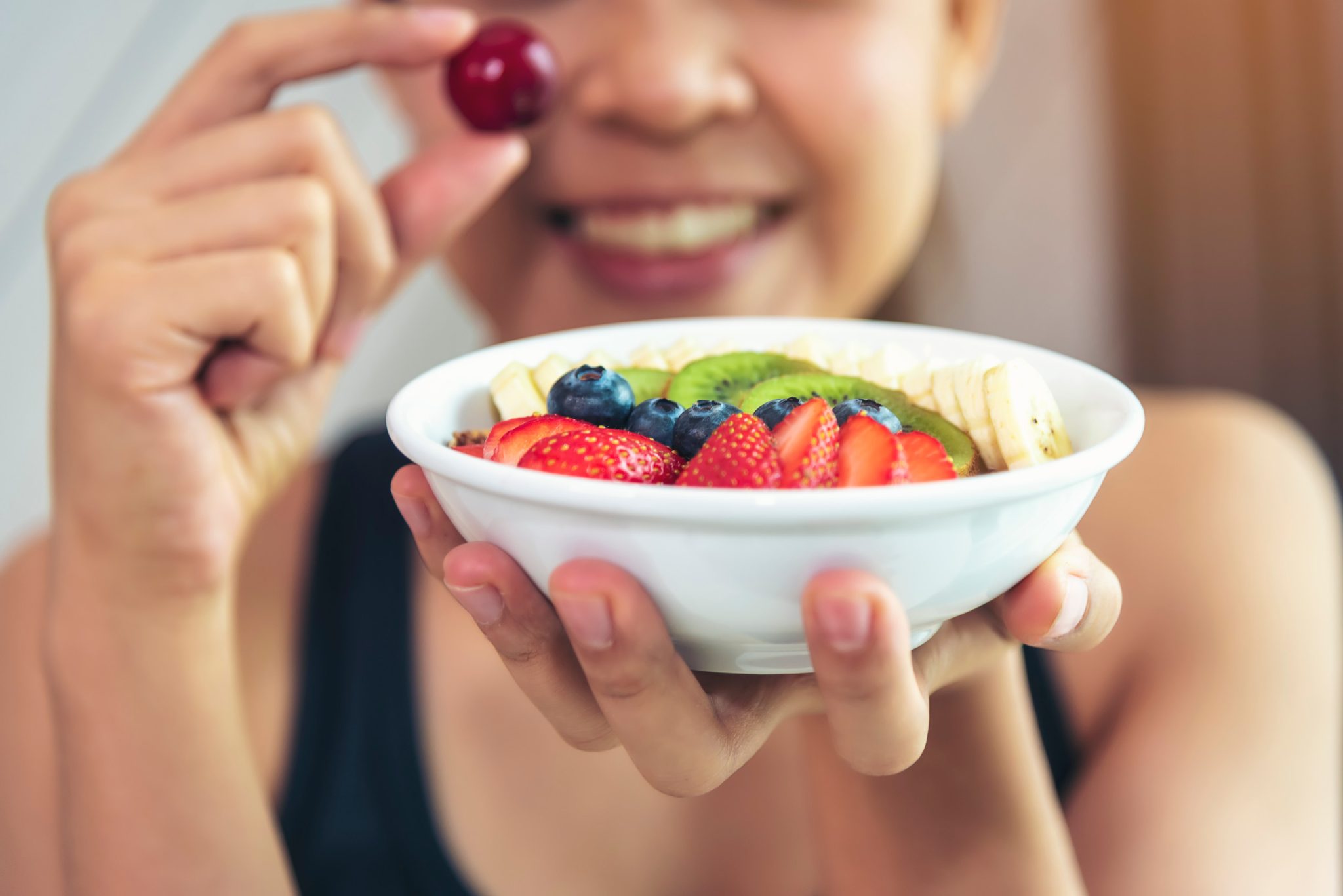
Try to eat at least four servings of fruit per day. That might mean tossing berries into your morning oatmeal, slicing a mango for an afternoon snack, or ending dinner with a kiwi or orange.
Eat the rainbow
Different fruits offer different antioxidants, so variety matters. Think red apples, green grapes, orange cantaloupe, and purple plums; each brings a unique benefit.
Add healthy fats for better absorption
Some nutrients, like carotenoids, are absorbed best with fat. Pair your fruit with nut butter, avocado, or yogurt to help your body get the most out of every bite.
Don’t skip frozen fruit
Frozen fruit is usually picked at peak ripeness and quickly preserved, which means it retains most of its nutritional value. It’s a budget-friendly and convenient option year-round.
A small change with long-term impact
Air pollution may be an unavoidable part of modern life, but we’re not powerless. While filters, masks, and policy changes all play a role in cleaner air, our bodies also need support from the inside out, and that’s where food comes in.
Choosing fruit-rich, antioxidant-packed meals is a simple, accessible way to support your lungs, especially if you live in a high-pollution area or spend a lot of time outdoors. These daily choices may seem small, but over time, they can make a big difference.
So the next time the air quality index nudges into the red, take a look at what’s on your plate. Because while we may not control the air we breathe, we can nourish the body that breathes it.
Did this solution stand out? Share it with a friend or support our mission by becoming an Emissary.