BY THE OPTIMIST DAILY EDITORIAL TEAM
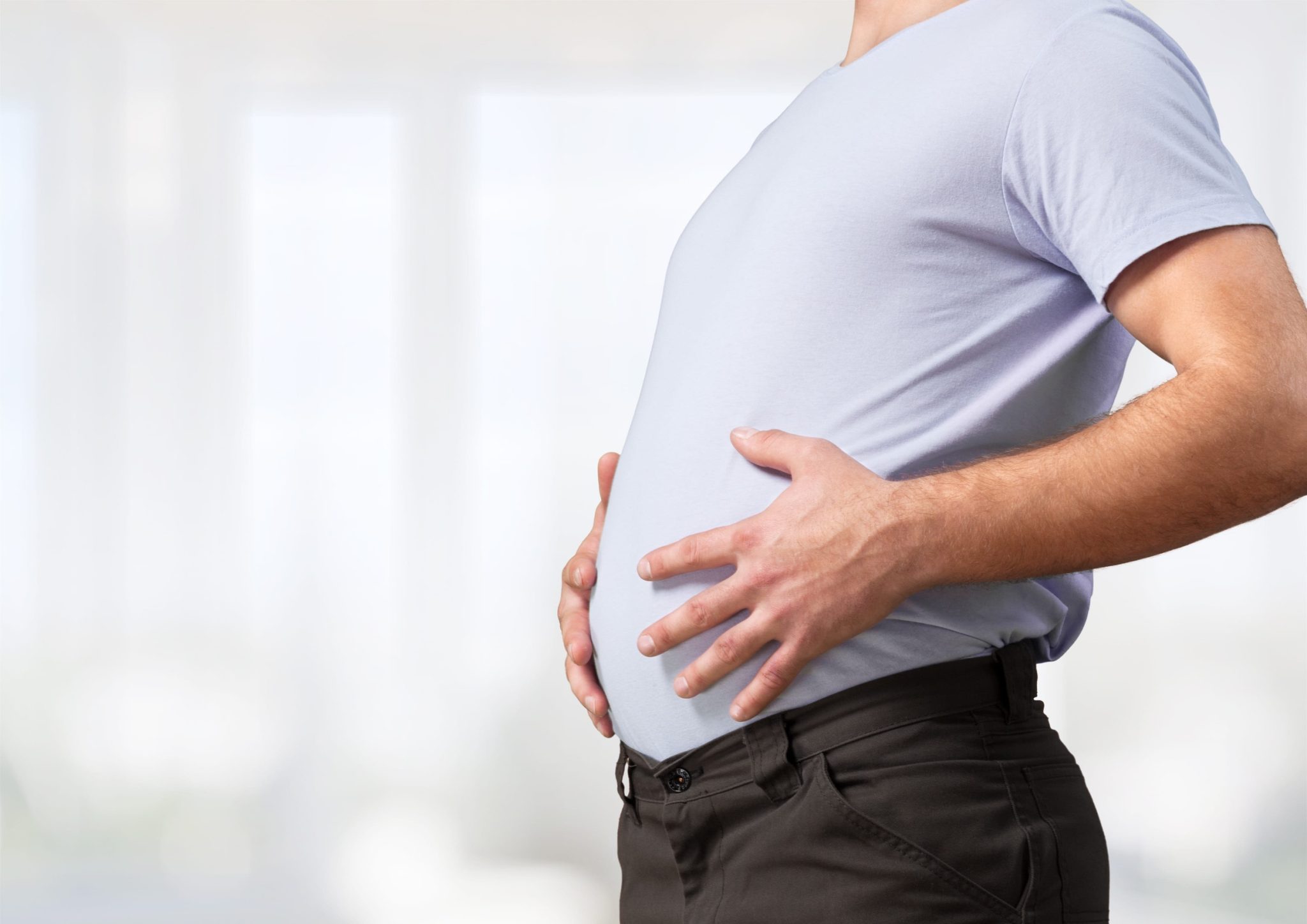
Every few years, a new product promises to “blast belly fat” or help you target your midsection. None of it works. Spot reduction, the idea that you can direct fat loss to a specific part of the body, simply isn’t how human physiology operates.
“You can’t spot reduce, no matter how promising the marketing and ads that tell you that’s the case,” says Chris Mohr, PhD, RD, cofounder of Mohr Results. “While it would be nice if you could lose fat from wherever you’d like, your body handles fat as it wants.”
But that doesn’t mean belly fat is impossible to lose. It absolutely isn’t. And it’s worth understanding why it deserves specific attention, separate from how it looks.
Visceral fat is not the same as other body fat
Most of the fat we carry, roughly 90 percent of it, is subcutaneous fat: the kind that sits just below the skin on your arms, legs, back, and stomach. While it may not always be welcome, subcutaneous fat isn’t inherently dangerous. It responds to cosmetic procedures like liposuction and is, for most purposes, metabolically inert.
Visceral fat is a different matter. It lives deep inside the abdominal cavity, nestled against the liver, heart, and other vital organs. You can’t see it directly, cosmetic procedures can’t reach it, and its only outward sign is a larger waist circumference.
What makes visceral fat medically significant is its inflammatory properties. “The reason visceral fat matters is it is highly inflammatory,” says Rekha Kumar, MD, MS, chief medical officer at Found and associate professor of clinical medicine at Weill Cornell Medical College. The associated health risks are extensive. Cardiovascular and liver disease are among the most common, but one study found that men with high levels of visceral fat were more than three times as likely to develop dementia. Other research has linked it to asthma and several types of cancer. “It puts people at a higher risk for those specific diseases, and probably more that we don’t even know about yet,” says Mohr.
How to measure your risk
A CT or DEXA scan offers the most precise picture of visceral fat, but a tape measure is sufficient for most purposes. The key metric is your waist-to-hip ratio.
“For a man, we don’t want it over one, meaning we don’t want the waist to have a larger circumference than the hips,” says Dr. Kumar. “Low health risk is 0.95 or lower. High health risk is one or higher.”
Other indicators worth paying attention to include elevated blood sugar, low testosterone, snoring, and trouble swallowing. “As you accumulate visceral fat, you’re probably slowly accumulating fat around other organs, like the esophagus and the trachea,” Dr. Kumar explains.
Why resistance training outperforms cardio
A Harvard study tracking more than 10,500 men over 12 years found that strength training was more effective at reducing waistline size than any other form of exercise, including moderate to vigorous aerobic activity.
Two mechanisms explain why. “The first is that you add lean muscle tissue to your body; the more lean muscle tissue you have, the more calories you’re burning at rest, which means you’re not storing those calories as fat on the abdomen,” says Luke Carlson, founder and CEO of Discover Strength. “And the second is that when we do a tough strength training workout, we acutely burn five to nine percent more calories for the next three days.”
There is also a hormonal dimension. “What happens when you lift weights and increase your lean body mass is you become more sensitive to the hormone insulin,” explains Dr. Kumar. “Visceral fat is actually very insulin-resistant and comes along with a condition called insulin resistance. Building muscle treats insulin resistance, which reduces belly fat.”
Steady-state cardio has not shown particularly strong results for visceral fat specifically. High-intensity interval training (HIIT) has. Research suggests that combining strength-based movements with interval running produces the most robust results.
What you eat matters, but probably not how you think
Carbohydrates tend to get outsized blame in fat-loss conversations, but the research consistently points to overall calorie balance as the central variable. A calorie deficit, burning more than you consume, is what drives fat loss.
That said, protein intake deserves particular attention while in a deficit. Carlson recommends aiming for between 0.7 and 1 gram of protein per pound of body weight per day. “You can lift all the weights in the world, but if you don’t have enough protein in your diet to support muscle growth, you’re going to fall short of your goal,” says Noelle McKenzie, CPT, cofounder of Leading Edge Personal Trainers. “It’s not just about losing weight. We can do that and lose a lot of muscle in the process too. It’s about how we can preserve lean muscle mass while losing fat.”
Hydration and fiber intake also factor in more than most people account for. Nate Feliciano, CFSC, CES, head of training at Studio 16, recommends drinking half your body weight in ounces of water per day for anyone focused on reducing body fat. Fiber works through a similar satiety mechanism. “Most people are only eating half to a third of the fiber they actually need in a day,” says Mohr. “Fiber will really help fill you up. In terms of body fat, when you’re more satiated, you can ultimately take in fewer calories.”
Sleep is foundational, not optional
Research published in the journal Sleep Medicine found a meaningful inverse relationship between sleep duration and visceral fat mass: the less sleep people got, the more visceral fat they accumulated. Subcutaneous fat, notably, was not affected, which points to a specific connection between sleep deprivation and visceral fat in particular. The protective effect appeared to level off at eight hours.
“There have been studies showing that when you sleep less, you eat more and gain more weight,” says Mohr. Sleep alone won’t reverse existing visceral fat accumulation, but its effects on hormones, appetite regulation, and recovery make it foundational to everything else on this list working the way it should. “We know that sleep plays a huge role in weight loss and weight gain,” Mohr adds. “It’s a big piece of the puzzle that we need to think about.”
Did this solution stand out? Share it with a friend or support our mission by becoming an Emissary.