BY THE OPTIMIST DAILY EDITORIAL TEAM
For years, the conversation about children and screens has been aimed squarely at children. How much time, what content, and at what age? Sweden’s public health agency has now turned the question around.
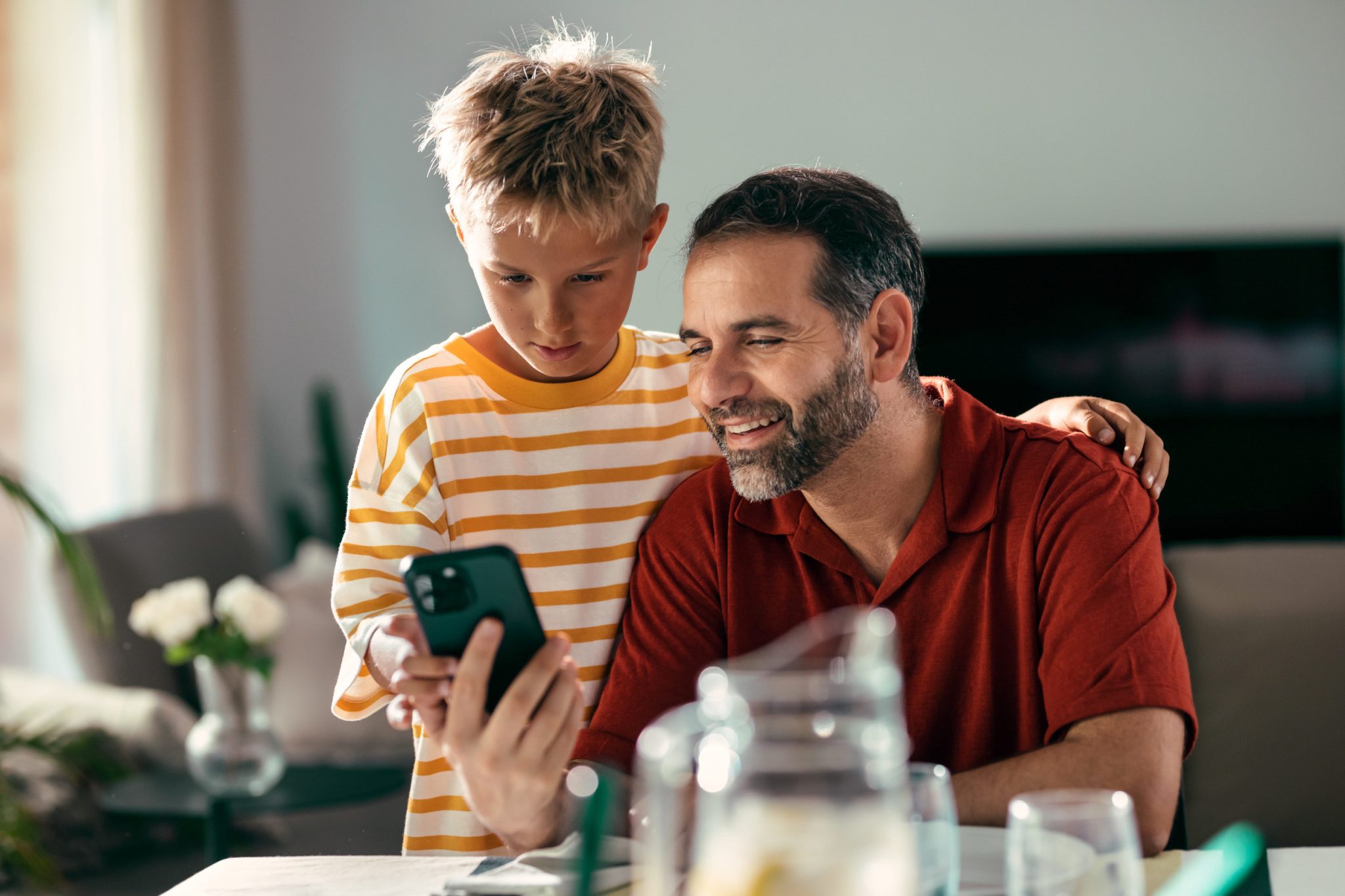
This past Monday, the agency issued new guidelines urging parents to put their phones away when spending time with their children and to make parts of the home phone-free. The guidelines follow government-commissioned research with two findings: parent phone use degrades parent-child interactions in real time, and the screen habits children develop track closely with what their parents do.
What the research found about parent phone use
Heavy phone users tend to raise heavy phone users. A parent absorbed in a screen is less present, and children notice.
“I don’t think people realise that [their screen use] affects children to the extent that we now know that it does,” said Jakob Forssmed, Sweden’s minister of social affairs.
Helena Frielingsdorf, a psychiatrist and researcher at the agency, described the mechanism. Children learn “not only by what adults say, but also by what adults do. That’s why small changes in everyday life can make a difference, both for interactions in the present and for the child’s own patterns over time.”
It’s a different framing than most screen time research. Not what children are watching, but what they’re watching their parents do.
Sweden’s new recommendations for parents at home
The agency’s previous guidance had asked parents to “reflect” on their phone use around children, vague enough to mean almost anything. The new version is more direct. Phones down when with children, used only when necessary or when doing something together. Bedrooms and the dining table should be phone-free. Parents should also think before posting photos or videos of their children online. Adults who “create good screen habits for themselves” will shape their children’s, the agency said.
How Sweden has approached children’s screen time
The parent guidelines sit alongside existing recommendations for children: no screen time before age two, one hour a day for two- to five-year-olds, two hours for six- to twelve-year-olds, three hours for teenagers. Devices out of bedrooms at night, no screens before bed.
Sweden is also writing a school smartphone ban into its Education Act. From the 2026-27 autumn term, phones are out in schools for students up to grade nine, roughly ages 15 to 16. The school ban and the parent guidelines point in the same direction: less phone contact, at younger ages, starting with the adults.
Did this solution stand out? Share it with a friend or support our mission by becoming an Emissary.