BY THE OPTIMIST DAILY EDITORIAL TEAM
Every orange you eat comes with a second product most people toss without thinking. The peel is packed with limonene and other essential oils, citric acids, flavonoids, polyphenols, and antimicrobial compounds. Gardeners have been finding uses for it, and the list keeps growing.
“I do use orange peels in the garden because they’re an easy way to reuse kitchen scraps and help the soil,” says Anna Ohler, owner of Bright Lane Gardens. Here is what the practice actually involves, and where it holds up.
Adding orange peels to your compost pile
Orange peels break down in compost over time, adding nitrogen and potassium as they go. “I’ll toss orange peels into my compost pile, where they break down over time,” Ohler says. “They add nutrients, especially nitrogen and potassium.”
One important exception: if you compost with worms, keep citrus out entirely. The oils and acidity can damage a vermicompost bin. For standard piles without worms, peels are fine. Chop them into smaller pieces first to speed up decomposition, and keep them proportional to the rest of your compost mix.
Scattering dried peels to deter insects
“Orange peels can act as a natural, eco-friendly pest deterrent due to the citrus oils they contain,” says Justine Reichman, founder and CEO of NextGen Purpose. “The oils repel pests like ants and mosquitoes.” Ohler has found similar results around plants affected by aphids.
The oils work by affecting insect nervous systems, functioning without synthetic chemicals. The catch: they evaporate quickly. Peels need to be replaced regularly, so this isn’t a set-it-and-forget-it fix.
Cleaning and disinfecting garden tools
Orange peels have natural antimicrobial properties, attributed to their concentration of citric acids, limonene, flavonoids, and polyphenols. These compounds can clean bacteria and fungi off garden tools, seed trays, compost bins, gloves, and watering cans without chemical disinfectants.
Keep the amounts reasonable
Too much citrus concentrated in one spot can raise soil acidity beyond what most plants prefer. Ohler is clear: “The key is not overdoing it with orange peels. Too much citrus can make the soil too acidic.” The same goes for other citrus scraps: lemons, grapefruit, and limes.
Covering odors in the garden
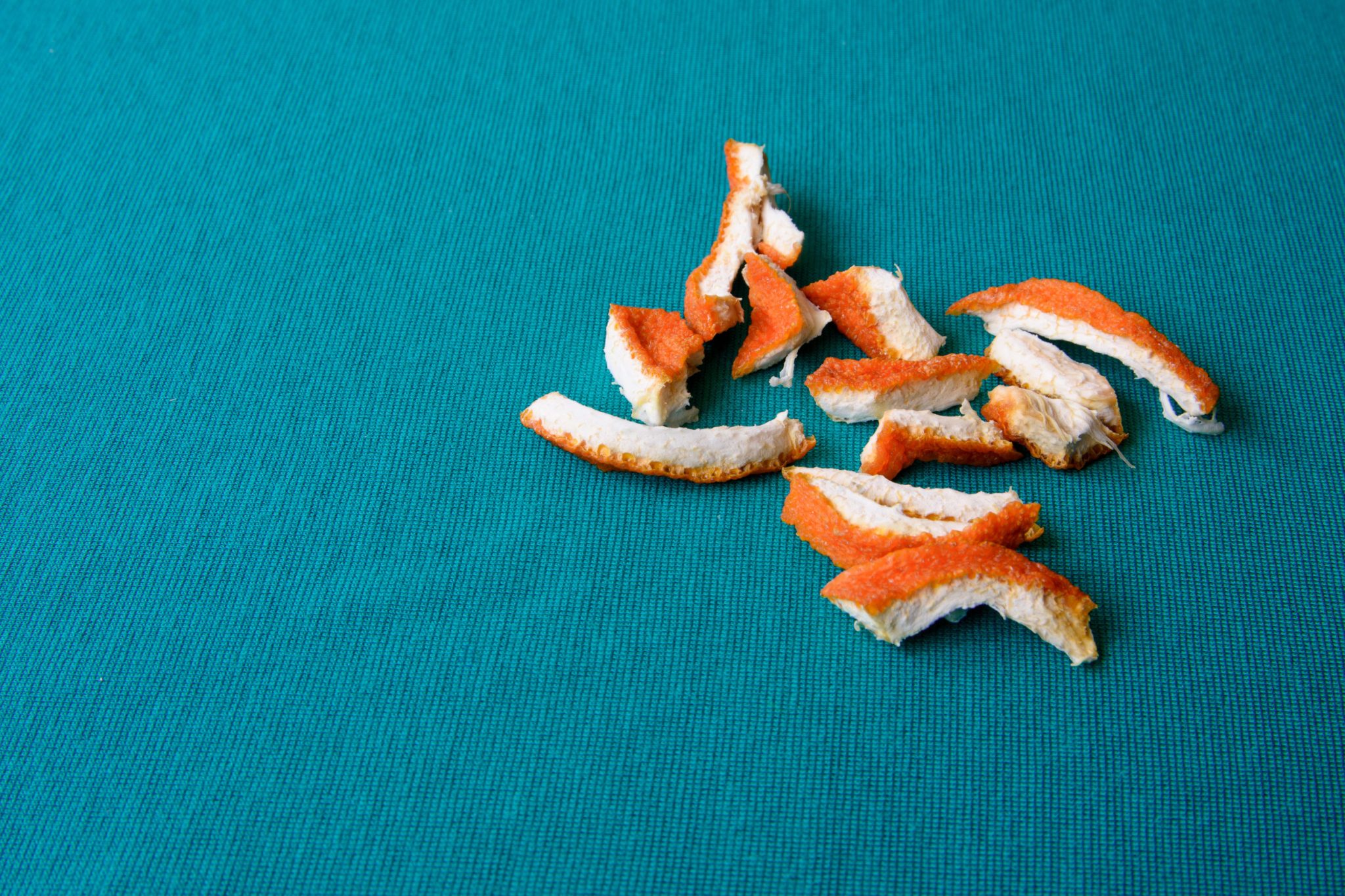
Fresh or dried orange peels work as a natural scent buffer near pungent areas: a manure pile, bags of fertilizer, a compost corner. Zesting the peel first releases more oil and strengthens the effect. Dried peels tucked into sachets work well for outdoor spots where you want something that lasts longer.
Keeping cats out of beds
Some gardeners scatter orange peels around beds to deter cats from using them as a bathroom, and some have success with it. Ohler is candid about the results: “Keeping the cats away is hit or miss in my experience.” Worth a try if you’re dealing with the problem, but not a reliable solution on its own.
What to watch out for
Fresh peels can attract slugs and raccoons. They dry out fast, which means they lose potency before they fully decompose. And as noted, they will disrupt a worm bin. Start small, replace often, and treat them as a short-term tool rather than a permanent fix.
Did this solution stand out? Share it with a friend or support our mission by becoming an Emissary.