BY THE OPTIMIST DAILY EDITORIAL TEAM
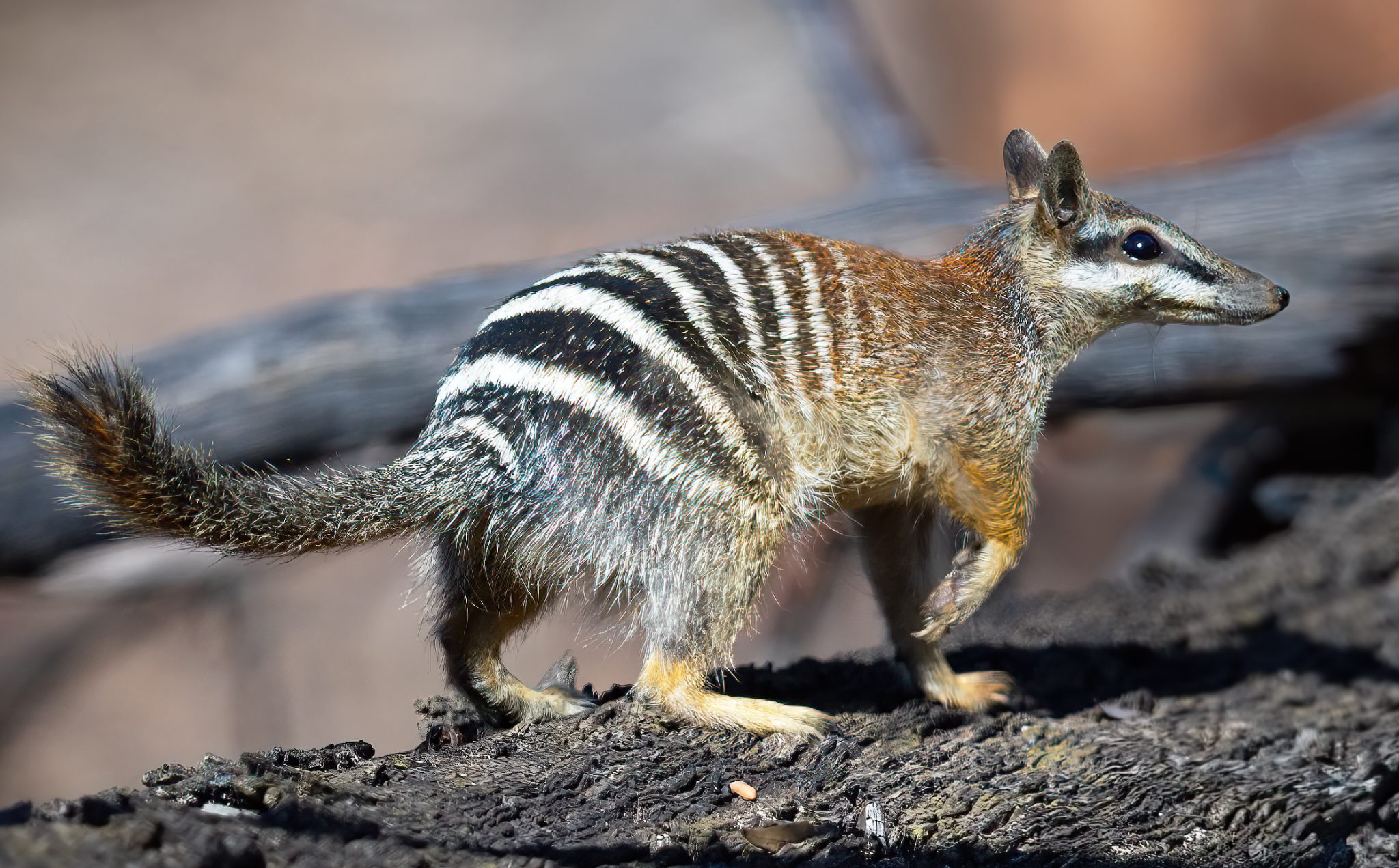
Great news! The (adorable) numbat is no longer endangered. The IUCN has moved Western Australia’s animal emblem from Endangered to Near Threatened on its Red List, after more than 40 years of conservation work.
“The downlisting of the numbat from Endangered to Near Threatened is what we have been working for over the last 40 years,” said Tony Friend, a research associate at the Western Australian Department of Biodiversity, Conservation and Attractions and member of the IUCN’s Australasian Marsupial and Monotreme Specialist Group. “I feel very elated.”
How low did it go?
By the late 1970s, the population had fallen to around 300 individuals. The striped, termite-eating marsupial was being killed by introduced predators, mainly red foxes and feral cats, along with ongoing habitat loss and changes to fire patterns. At 300 animals, extinction was a serious possibility.
What turned it around
Wildlife teams went after the predators first. Baiting and culling foxes and cats across numbat habitat produced fast results in both original Western Australian populations. “Controlling introduced predators caused spectacular increases in numbat numbers,” Friend said. One of those populations now holds up to 2,000 individuals.
Conservationists also built predator-proof fenced enclosures and moved numbats, both wild-caught and zoo-bred, into new areas. Five additional populations now exist across southern Australia: three in Western Australia, one in South Australia, and one in New South Wales. The oldest has been established for more than 30 years. Total numbers across all populations are now estimated between 2,000 and 3,000.
What still has to hold
Going from 300 to 3,000 is significant. “This success has only been achieved by a huge sustained effort in controlling introduced predators,” Friend said. “The effort must continue or the numbat will quickly fall back to low levels or into extinction.”
Geographic spread matters alongside raw population size. Separate groups in different regions mean a drought, disease outbreak, or surge in local predation doesn’t wipe everything out at once. All five newer populations have survived more than a decade each. Currently, the conservation teams are working to keep pushing numbers and range further out.
Did this solution stand out? Share it with a friend or support our mission by becoming an Emissary.