


BY THE OPTIMIST DAILY EDITORIAL TEAM
Unlike Mother’s Day, which was swiftly embraced and made official in 1914, Father’s Day spent decades in limbo. Though it finally became a national holiday in 1972, the idea faced resistance for years—ironically, in a society dominated by men.
Why was Father’s Day controversial?
Many men in the early 20th century balked at the idea. At the time, Mother’s Day was framed around femininity and sentimentality, often celebrated with flowers and sweet gestures. But applying the same emotional tone to fathers didn’t sit right. As some historians have put it, men “scoffed” at efforts to “domesticate manliness” and considered the holiday a commercial gimmick.
There was also a broader cultural mindset: in a patriarchal society where fathers were seen as authority figures, why dedicate a special day to them? Weren’t they already running the household?
The women who fought to honor fathers
While many dismissed the idea, two women worked to make Father’s Day real:
Grace Golden Clayton proposed the first known Father’s Day service in 1908 after a mining disaster in West Virginia left hundreds of children fatherless. Her tribute, though heartfelt, didn’t catch on beyond the local community.
Sonora Smart Dodd, however, made waves in Spokane, Washington, in 1910. Raised by a single father and inspired by Mother’s Day, she advocated for a similar holiday to honor dads. The city organized an official celebration on June 19, 1910, with churches delivering sermons about fatherhood and boys donning roses in tribute.
It wasn’t an easy road to national recognition
Despite early efforts, Father’s Day remained unofficial for decades. Congress rejected early proposals, and even as presidents from Woodrow Wilson to Calvin Coolidge supported the idea, legislation stalled.
Progress resumed mid-century:
- In 1966, President Lyndon Johnson declared the third Sunday in June as Father’s Day by executive order.
- In 1972, President Richard Nixon signed it into law.
The role of Father’s Day in hard times
Economic forces helped the holiday along, too. During the Great Depression, retailers used Father’s Day to encourage spending on “practical gifts.” Later, during World War II, it gained traction as a way to honor men serving in the military and support American families.
Rethinking what it means to be a dad
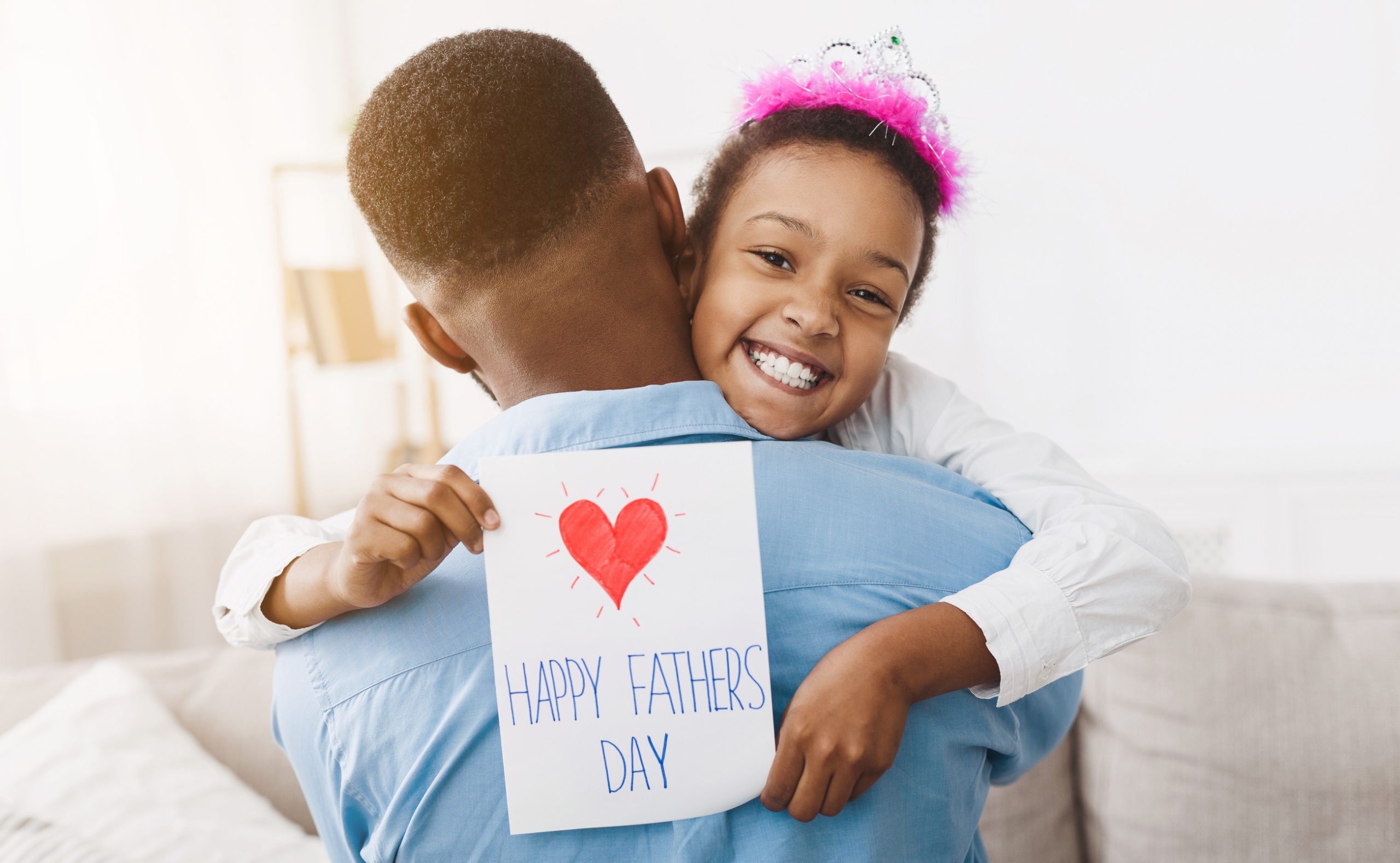
Today, Father’s Day is about more than gifts. It reflects how much our view of fatherhood has changed. Fathers are no longer just breadwinners; they’re emotional anchors, caregivers, and partners. Whether a dad likes to barbecue, build LEGO castles, or read bedtime stories, Father’s Day now celebrates the diverse ways men show up for their families.
And that’s perhaps the most meaningful part of the holiday: recognizing not just who fathers are, but the many roles they play in shaping their children’s lives.
Did this solution stand out? Share it with a friend or support our mission by becoming an Emissary.






