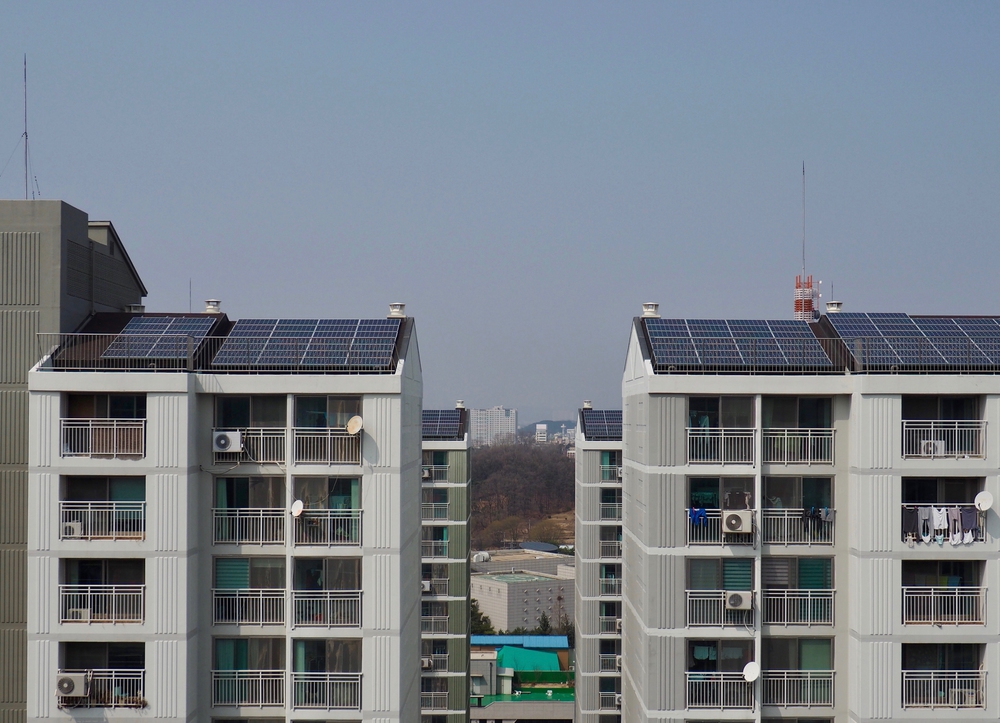
Affordable housing is expensive to build–and that means construction is happening far too slowly to meet demand. In Atlanta, a startup called PadSplit is adding new affordable units more quickly by reusing rooms in single-family homes instead. Rather than building new buildings, PadSplit works with property owners to fix up the houses to a certain standard, and then PadSplit helps them add walls to create new rooms–if there’s a formal dining room or an extra den, for example, those will be converted into bedrooms. Then the company screens potential residents and rents out each room, including utilities, internet, and laundry, for around $550 a month. For a property owner who might have been renting the whole house for $1200, it’s a way to make more money. For renters, it’s a way to save; the average PadSplit member makes only $21,000 a year and saves $460 by renting through the startup. What’s more, PadSplit’s system works without any subsidies, proving that affordable housing is possible, even profitable at a time where the private market is short of options for people with lower budgets. With a deficit of over 7 million affordable homes nationwide, PadSplit offers a solution that can be implemented immediately.

This startup creates new affordable housing—without constructing new buildings
More of Today's Solutions
The Giving Grove: how Kansas City’s free community orchards became a na...
BY THE OPTIMIST DAILY EDITORIAL TEAM It is harvest time in Kansas City, and at Kansas City Academy, students are stepping outside during lunch ...
Read MoreNew research identifies the exact spot where Alzheimer’s protein tangle...
BY THE OPTIMIST DAILY EDITORIAL TEAM Researchers at Northwestern University and UC Santa Barbara identified a specific contact point on tau proteins where the ...
Read MoreHow the Sounds Right project brings harmony to environmental protection and m...
In the realm of music, inspiration can strike from the most unexpected sources. From the soft rustle of leaves to the grand roar of ...
Read MoreParis curbed cars—and cleared the air: what 20 years of bold green policy ach...
BY THE OPTIMIST DAILY EDITORIAL TEAM Paris spent the last two decades reimagining its urban landscape, and the results are not just visible, but ...
Read More