


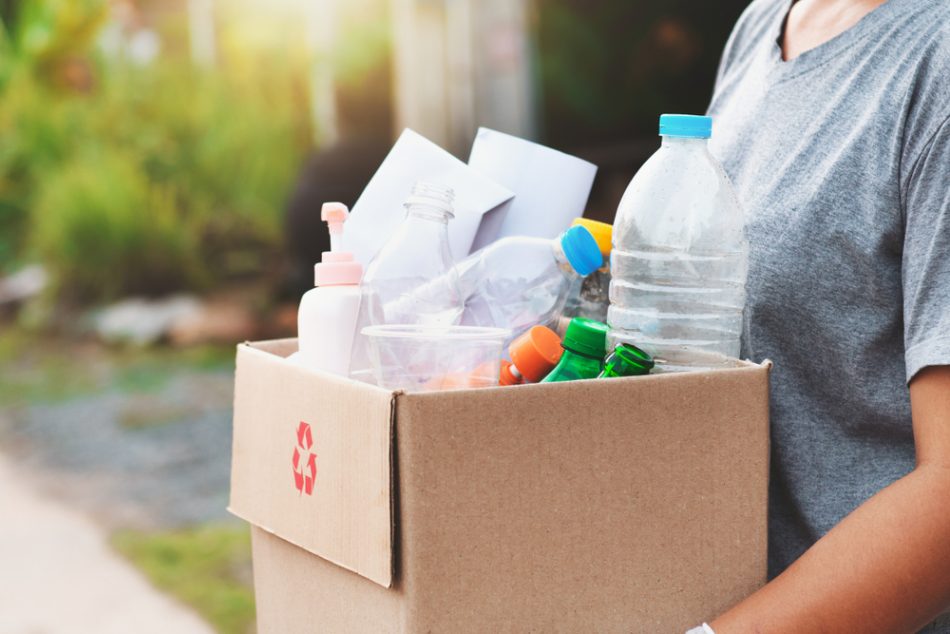
According to a 2019 Covanta survey, a staggering 62 percent of Americans worry that they are recycling incorrectly. To make recycling easier and more effective, governments and companies will have to work together to reduce the amount of trash we produce while devising more responsible ways to dispose of it.
In the meantime, there are five simple things we can do to be smarter about what we try to recycle.
We must know what to toss in the bin
The best practice is to keep it simple and focus on basic items. You can probably place plastic bottles and aluminum cans into your recycling bin, no matter where you live. Glass bottles, paper, and cardboard are also fairly safe bets, though many communities require them to be separated from other recyclables.
It’s also important to note that plastics with the “recycling symbol” stamped on them ― the triangle with the number in the middle ― aren’t necessarily recyclable. If the plastic is rigid like you see in water bottles and detergent bottles, however, they’re most likely recyclable.
Realize what you can’t toss in the recycling bin
Most municipalities post their recycling rules online. You can look yours up by going to the website BeRecycled, which lets you enter your ZIP code and returns a list of local websites with official information. A general rule of thumb is that common items such as hoses and cords, plastic bags, propane tanks, needles, and clothing should not go into your household recycling.
Do a quick clean
Empty and rinse as much food out of containers as possible, as if they’re too dirty, they can’t be recycled.
Don’t bag it
Unless you live in a place that requires you to secure your recyclables in plastic bags, keep them loose in the curbside bin.
When in doubt, throw it out
If you’re not sure whether something can be recycled, don’t place it in your curbside bin. Yes, it might end up in a landfill but that’s where it’d go if you tried to recycle it anyway.






