Don’t be mistaken: while the cemetery may not be sprawling with human life, it’s most certainly a hotspot for plant and animal life—especially in urban areas.
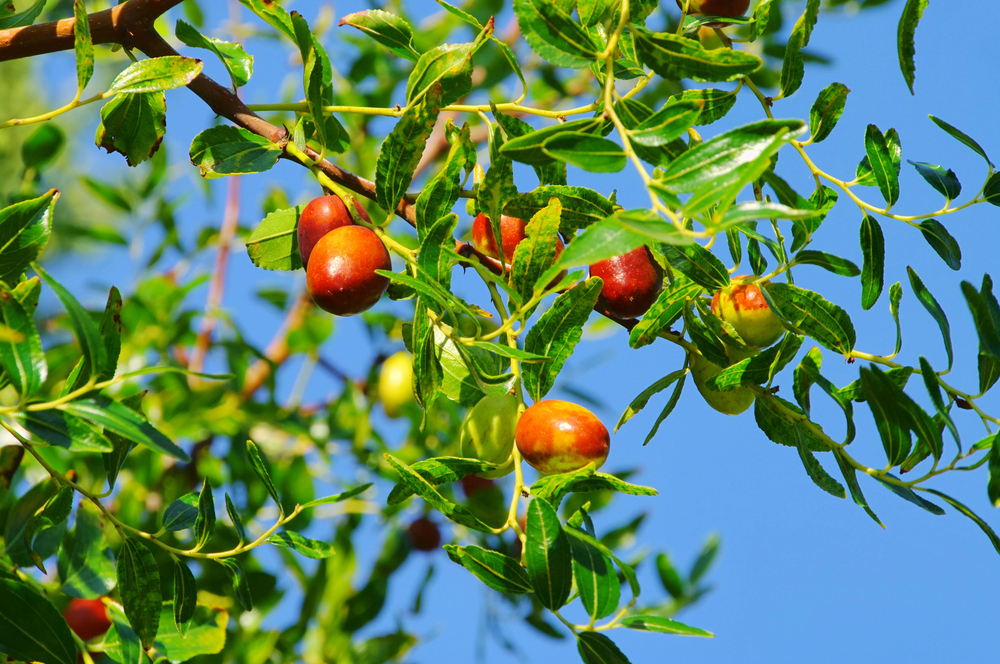
Perhaps the best example of this comes from the Green-Wood Cemetery in Brooklyn, New York, one of the most densely populated places on the planet. The USDA is fascinated with this cemetery, particularly because of its high concentration of native, non-native, and rare plants. The cemetery has 7,000 trees of more than 700 different species, making it rife with insects and larger animals.
That biodiversity is no accident: Green-Wood’s horticulture team works year-round to plant and maintain a huge variety of plants, trees, and shrubs, earning the cemetery Level III Accredited Arboretum status—one of only 29 in the world.
Recently, a biological technician even discovered a type of beetle that no one had ever discovered before – a wood-boring beetle that is smaller than a grain of rice and has an exoskeleton of olive green and red.
Here’s a tip: if you’re looking for calm in your city, you may want to think about stopping by a local cemetery. Not only will it be quiet, but you might notice some animal life you’ve never seen before.