BY THE OPTIMIST DAILY EDITORIAL TEAM
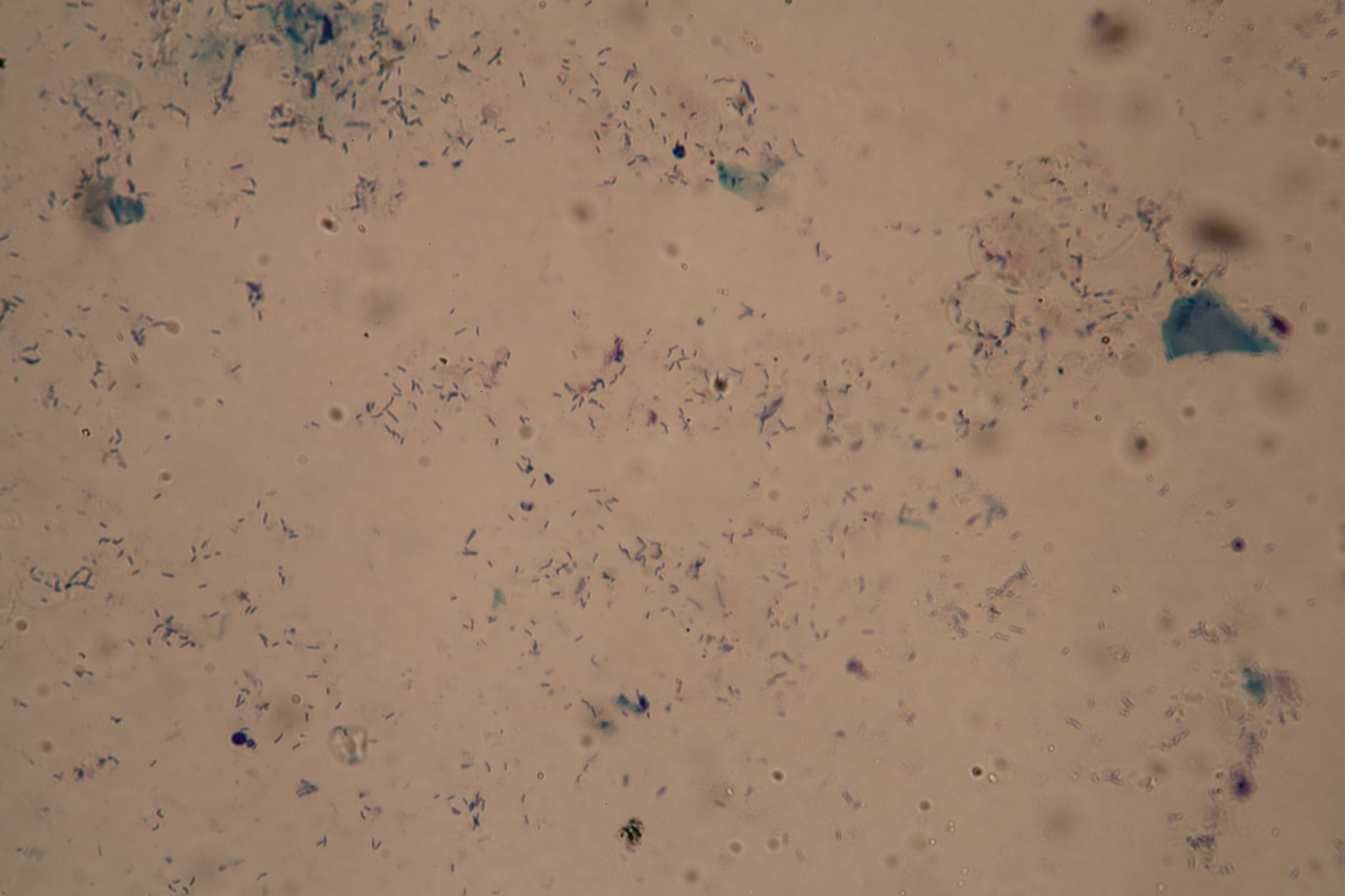
Tuberculosis kills more than a million people a year. It’s the world’s deadliest infectious disease. And for most of its history, the standard diagnostic hasn’t changed much since the 1880s: a phlegm sample examined under a microscope.
The test has real problems. Not everyone can produce phlegm. Children, elderly patients, and those already weakened by illness often can’t. The results are imprecise. About half of actual TB cases get missed. And in many settings, patients travel through several health facilities before finding one that can test at all. “Many people are making three, four, five visits before they finally come to a health center where there is TB testing available,” says Adithya Cattamanchi, a pulmonologist at UC Irvine who has spent years working at health centers across Uganda.
By that point, the disease has had weeks or months to progress. And every untreated patient is still spreading it.
How the new test works
Last year, Chinese biotech company Pluslife released the MiniDock MTB, a portable device that takes a phlegm sample or, where phlegm isn’t possible, a plain tongue swab. It heats and spins the sample, then scans for TB DNA. The device costs $300. Each test runs $3 to $4.
A new study in the New England Journal of Medicine tested it across nearly 1,400 patients with TB symptoms at health centers in seven countries across Africa and Asia. Both phlegm and tongue swab samples met WHO accuracy targets. The WHO had already recommended the test the month before the study was published.
“What we hope it means is that many more people will have access to high-quality TB testing,” says Cattamanchi, who co-authored the study.
Alfred Andama, a microbiologist at Makerere University College of Health Sciences in Uganda, says earlier detection matters beyond the individual. “Detecting patients early, starting them on treatment early and following up to make sure they adhere to treatments makes a lot of improvement in their lives.” Getting to someone sooner also cuts transmission and reduces the chance the disease builds resistance to standard antibiotics before treatment even starts.
The COVID connection
The MiniDock MTB has a pandemic footnote. When COVID hit, funding and research poured into swab-based diagnostics at a pace TB had never seen. Pluslife and others have since turned those same molecular methods toward tuberculosis, a disease that spent roughly 150 years waiting for exactly this kind of attention.
What it still can’t do
The test has real limits worth naming. Lucica Ditiu, executive director of the Stop TB Partnership, says it may miss early-stage cases when the bacterial load is still low. “For that type of work, we don’t think this is the tool yet,” she says. “Maybe it needs some improvement.” It also can’t distinguish standard TB from drug-resistant strains, which still requires a separate test, and that distinction matters a lot for treatment decisions.
Cattamanchi isn’t glossing over any of that. But he’s also watched people make five-clinic journeys just to get tested. “My hope honestly is that after more than 150 years, we finally get rid of using a microscope,” he says. “And everyone who has TB symptoms is getting a high-quality molecular test. I think we’re closer to that today than we’ve ever been before.”
Did this solution stand out? Share it with a friend or support our mission by becoming an Emissary.