Today’s Solutions: February 12, 2026

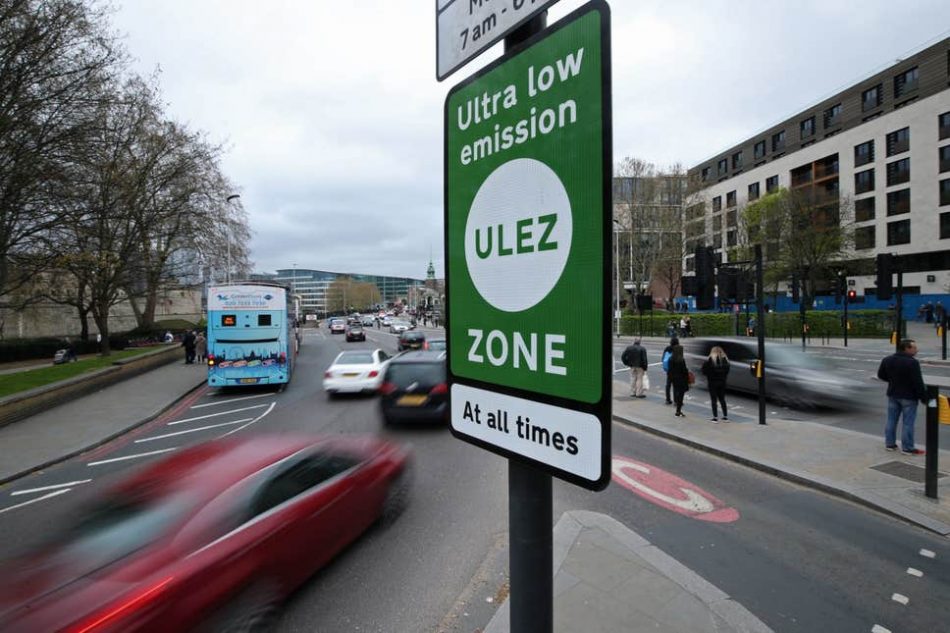
In 2017, the city of London announced a “toxicity charge” on older vehicles that spewed emissions. Two years later, the city launched the Ultra Low Emission Zone (ULEZ), which requires drivers to meet specific emission standards or pay a daily fine. The rules are rather strict on drivers—especially those who rely on driving for a living—but new results show the moves are paying off.

According to a new report, about 13,500 fewer polluting cars are driven in the zone daily, causing traffic in the bustling area to decrease overall. On top of that, nitrogen dioxide pollution has fallen by 36% in the central zone since the toxicity charge was put in place in 2017.

London isn’t alone in implementing such strict standards. In 2016, Paris banned cars made before 1997 from the city center on weekdays. It also recently declared the first Sunday of every month to be car-free. And earlier this month, San Francisco officials voted to ban cars from Market Street, the city’s downtown spine.


Solutions News Source Print this article
More of Today's Solutions

Most cancer cases are preventable: the 2 lifestyle habits largely to blame

BY THE OPTIMIST DAILY EDITORIAL TEAM Cancer often feels like a disease beyond our control, but according to new global research, that isn’t always ...

Read More

How to nurture deeper friendships without going out or spending a dime

BY THE OPTIMIST DAILY EDITORIAL TEAM For many of us, friendships were once built on shared space and spontaneous time. We grew close during ...

Read More

Pacific coral reefs may be more resilient than we think

Coral reefs, the vibrant life-filled undersea cities, have long been on the front lines of climate change's onslaught. However, new research from Newcastle University ...

Read More

Changemakers of the week: The Waikōloa Dry Forest Initiative and Treasure Hou...

BY THE OPTIMIST DAILY EDITORIAL TEAM Every day on the Optimist Daily, we report on solutions from around the world. Though we love solutions ...

Read More